
For a hospital that sees hundreds of patients walk through its doors every day, not having a blood bank on-site is the kind of gap that costs lives.
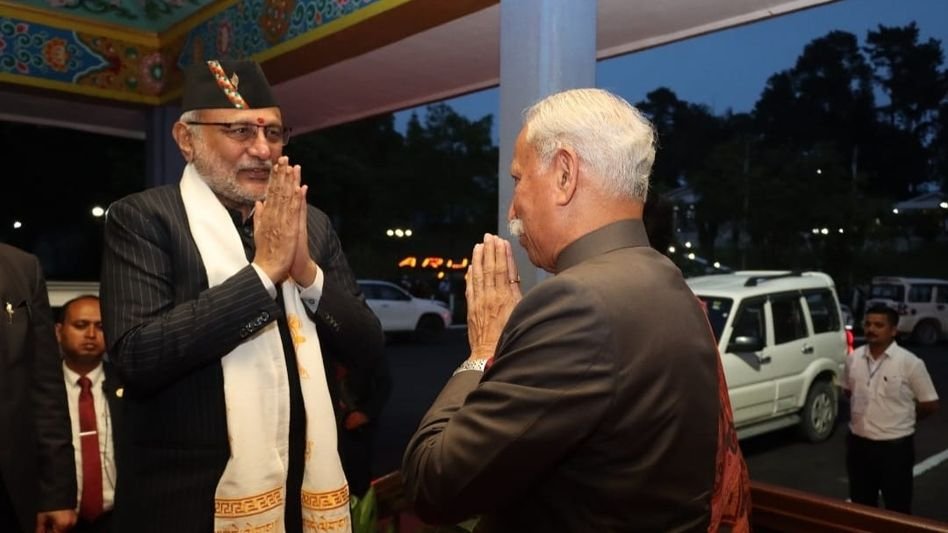
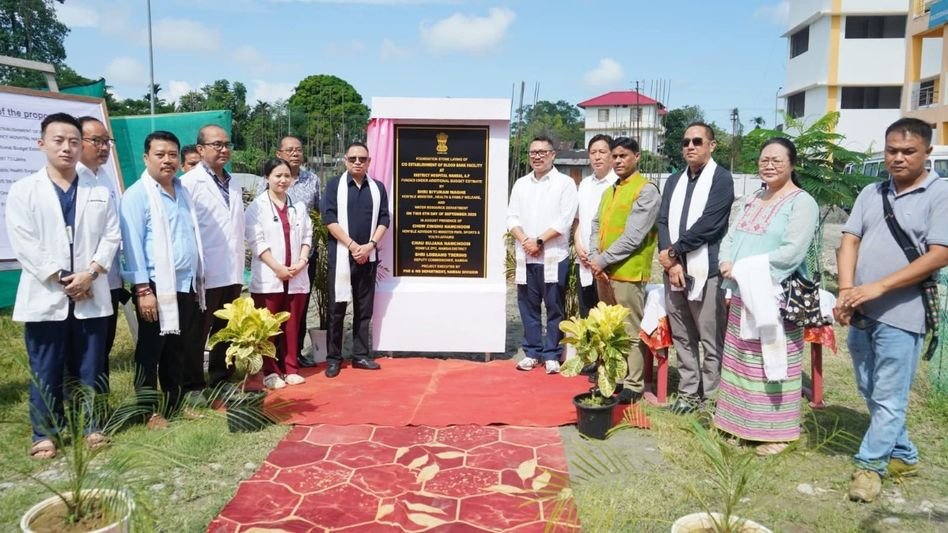
That gap is now on its way to being filled. On Saturday, Arunachal Pradesh Health and Family Welfare Minister Biyuram Wahge, joined by Namsai MLA Zingnu Namchoom, laid the foundation stone for a new Blood Bank facility at the District Hospital in Namsai. It was a moment that, on the surface, looked like a routine government ceremony — a few speeches, some photo-ops, a stone laid. But for the people of Namsai district, it means something far more tangible.
Blood transfusion access in remote and semi-urban parts of Northeast India has long been a quiet crisis. Patients rushing to district hospitals after road accidents, complicated deliveries, or emergency surgeries often find that the nearest blood supply is hours away. Every minute of that delay matters. A dedicated blood bank right at Namsai District Hospital is exactly the kind of infrastructure that bridges that dangerous gap between crisis and care.
Minister Wahge did not just show up, cut a ribbon, and leave. He rolled up his sleeves — figuratively speaking — and went on a thorough walkthrough of the hospital. The CT Scan Room, the Oxygen Plant, the Mortuary — he reviewed each facility and took stock of what the hospital is currently offering to its patients. It speaks to something worth noting: a health minister who actually inspects what is on the ground before making promises.
And the ground realities at Namsai District Hospital are demanding. Patient footfall is high — the hospital caters to a wide catchment area — and the management has clearly been stretching its resources to keep up. Wahge acknowledged this openly and commended the hospital staff for the effort they are putting in under pressure. That kind of recognition from a minister does not always come, and when it does, it matters for the people working long shifts on the floor.
Wahge also assured hospital authorities that the state government’s support will not stop at a foundation stone. More assistance, he said, would be forthcoming to continue building up healthcare infrastructure at the district level. Whether that promise translates into action will be watched carefully by the community and the medical staff alike — but the direction, at least, is encouraging.
What is happening in Namsai is part of a larger, necessary conversation about healthcare in Arunachal Pradesh. The state spans rugged terrain, scattered populations, and limited connectivity. In that context, district hospitals are not just facilities — they are lifelines. Strengthening them, one department at a time, is the only realistic path to bringing quality healthcare closer to the people who need it most.
The new blood bank, once fully operational, is expected to significantly improve emergency response and give the medical team at Namsai District Hospital the tools to save lives that might otherwise be lost to a simple shortage of supply.
A foundation stone is just the beginning — but it is the right beginning, in the right place, at the right time.