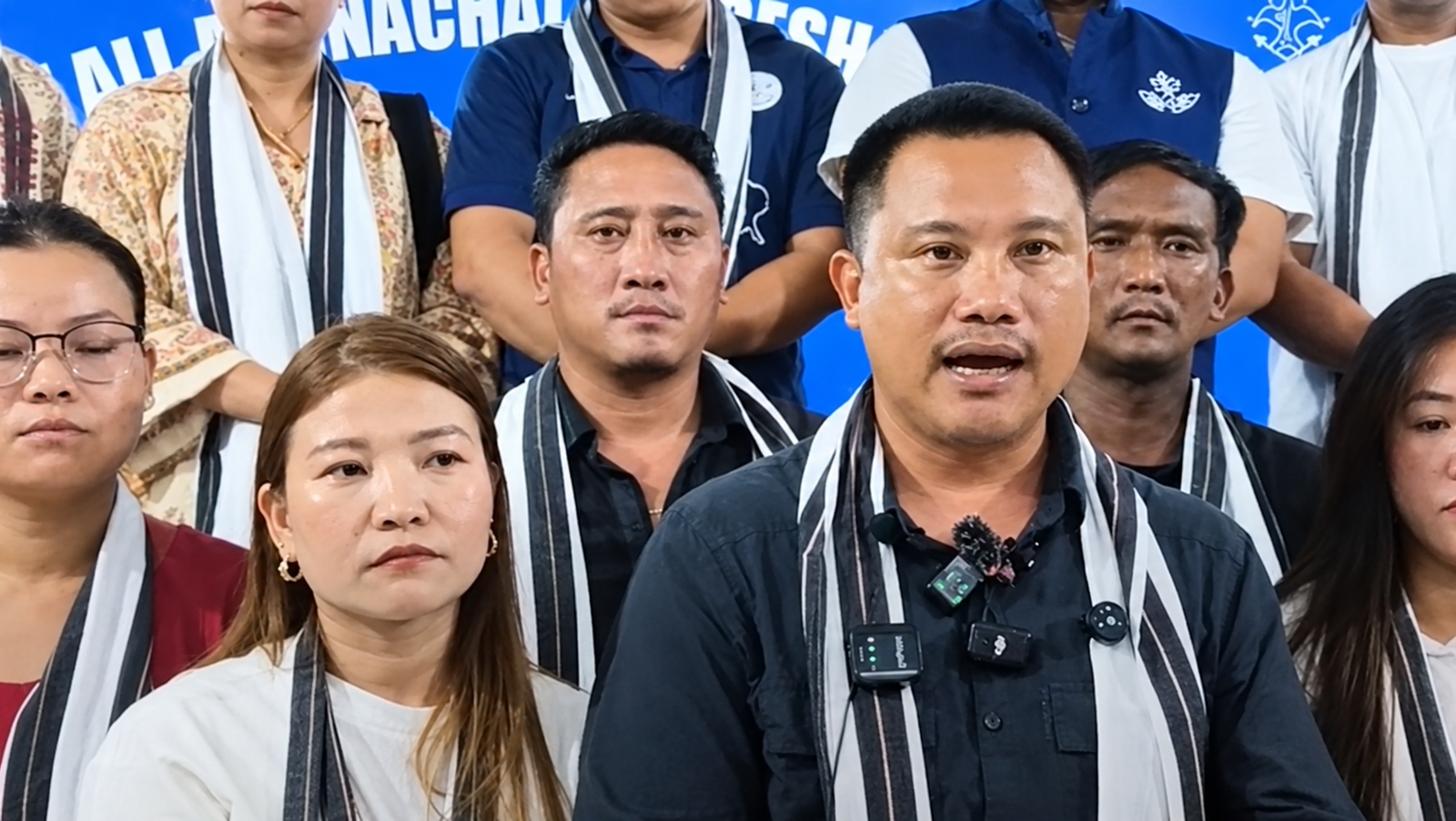

The orders were clear. The deadline was firm. And yet, as dawn broke over Leparada on Sunday, the Galo Youth Organisation’s 12-hour bandh was already underway — burning tyres, boulders, and hundreds of volunteers holding their ground across the district.
The shutdown, called by the Galo Youth Organisation (GYO), kicked off at 5 am and was scheduled to run until 5 pm on September 6. That’s a full twelve hours of disruption in a district where the administration had gone out of its way — just the night before — to tell organizers the bandh would not be allowed to be enforced.
The District Magistrate issued an order on September 5 under Section 163 of the Bharatiya Nagarik Suraksha Sanhita (BNSS), 2023, explicitly barring enforcement of the shutdown. The language of the order was unambiguous. No blocking of roads, highways, or public passages. No coercing shopkeepers, traders, school managements, or transport operators into downing shutters. No intimidation. Nothing that would stop ordinary people from going about their day — getting to hospitals, reaching workplaces, buying essentials, or simply moving freely.
The administration’s concern was practical. A shut district is a dangerous district. Emergency services — ambulances, fire services, water supply, electricity — were directed to remain operational under all circumstances. The Superintendent of Police was put on alert, tasked with maintaining public order and ensuring free movement.
And yet, GYO went ahead anyway.
The bandh stems from a simmering dispute involving the Galo Welfare Society (GWS) and the Galo Luvv Baany Keba (GLBK). The administration had been attempting to bring both sides to a round-table discussion, hoping dialogue could prevent the kind of disruption that was now unfolding on the streets. That effort, clearly, did not land in time.
By early Sunday morning, reports were coming in of volunteers deployed at strategic points across Leparada, with burning tyres and boulders used to block key locations. It looked less like a protest and more like a statement — one that said, in no uncertain terms, that the community’s grievance would not be quietly buried under an administrative order.
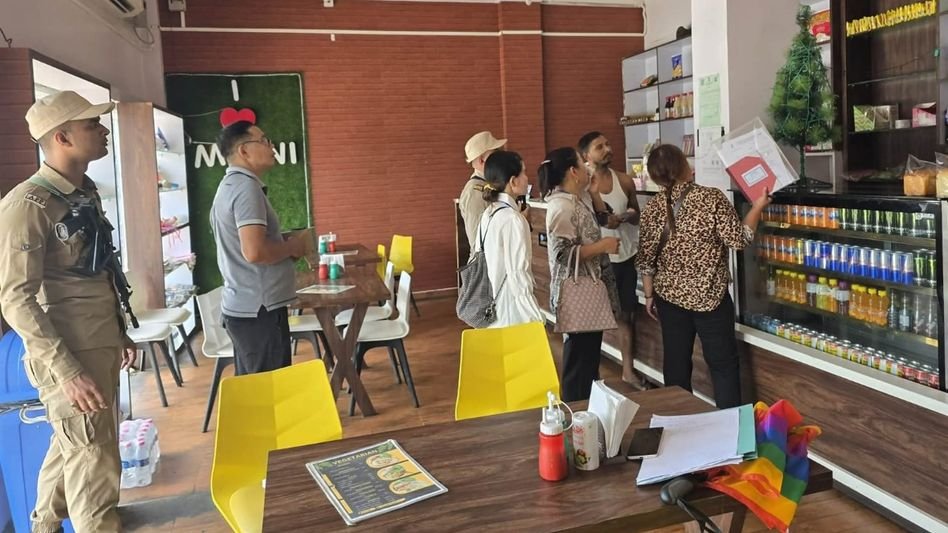
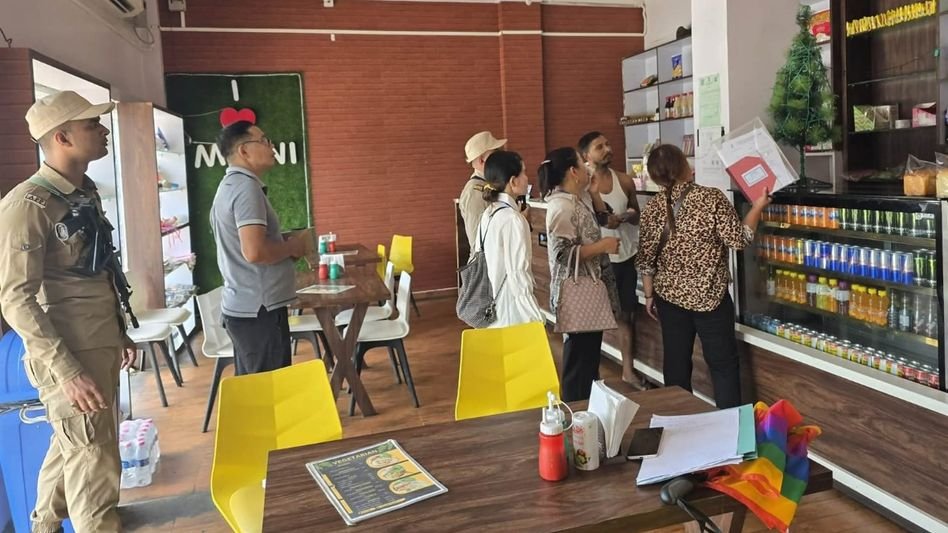
Security forces were deployed at key locations in response. The situation was described as peaceful and under close watch, with no untoward incident reported at the time. That’s something, at least. But “peaceful” can be a fragile word when tensions are already stretched thin between competing community groups.
The administration’s order does allow people to hold peaceful protests and express their views — as long as they stay within the law. That fine line between lawful protest and unlawful enforcement is exactly where this story now sits.
What happens after 5 pm matters just as much as what happened before. If the underlying dispute between GWS and GLBK remains unresolved, today’s bandh could easily be the opening act of something far more prolonged. Leparada’s residents — who woke up to blocked roads and closed markets on a Sunday — deserve better than to be caught between an organization’s defiance and an administration that issued orders it struggled to enforce.
The real test won’t be whether the bandh ends on time. It’ll be whether anyone finally sits across a table and fixes what broke in the first place.