
When was the last time a politician actually walked into the frontier — not for a photo-op, but to listen? That question feels very relevant right now.
A Visit That Sparked a Warning
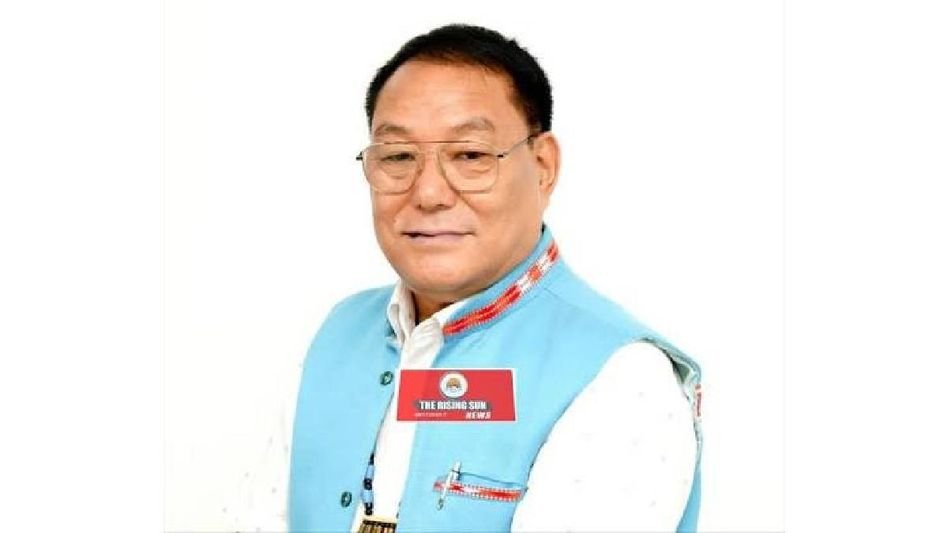
Arunachal Pradesh Congress Committee (APCC) president Bosiram Siram just wrapped up a four-day ground visit to the Taksing sector in Upper Subansiri district — and he came back with a message that New Delhi probably doesn’t want to hear. Travelling alongside party leaders and panchayat representatives, Siram met with local residents and security personnel, getting a raw, unfiltered look at life on India’s northern frontier. What he found was a community that feels invisible. And he’s not staying quiet about it.
“Not a Distant Corner — A Frontline”
Siram’s words cut straight to the point. “Taksing is not a distant corner of India, it is the frontline of India,” he said. That framing matters. Because for decades, border villages in Arunachal have been treated like administrative afterthoughts — difficult terrain, difficult logistics, easy to ignore. Siram is calling that out directly. He urged the Central government to organise a joint all-party parliamentary delegation to Taksing and other strategically sensitive frontier zones, arguing that democratic oversight of these areas has been woefully inadequate. Elected representatives, he said, need to see it for themselves before they can legislate meaningfully for it.
Troops Need More Than Just Orders
Beyond the political optics, there’s a very real operational concern being raised here. Siram called for uninterrupted supplies and adequate logistical support for troops stationed in difficult and remote border areas, highlighting the need for improved equipment, communication facilities, accommodation, medical support and adequate manpower for personnel deployed in frontier locations. These aren’t luxury demands — these are basic requirements for soldiers guarding India’s most sensitive borders. That they apparently still need to be demanded publicly in 2026 says something uncomfortable about national priorities.
The Push for an Arunachal Regiment
One of the more striking proposals from Siram’s statement was his call for the creation of a dedicated Arunachal Regiment — built substantially around indigenous tribal youth from the state. The idea isn’t new, but it’s gaining momentum. Local youth who know the terrain, the language, and the culture of the frontier would make formidable soldiers. More than that, it would give frontier communities a sense of ownership over their own protection. It’s the kind of integration that goes beyond infrastructure.
The Nation Must Stand Behind Them
Siram’s closing thought is the one that lingers. “The people of Taksing are not living at the periphery of India. They are living at the frontline of India. If the nation expects them to stand firm on the frontier, it must stand firmly behind them.” That’s not just a political statement — it’s a moral one. A country cannot ask its border communities to hold the line while leaving them without roads, hospitals, connectivity, and recognition. The frontier isn’t just a geography. It’s a responsibility.
HASHTAGS
#ArunachalPradesh #APCC #BosiramSiram #TaksingSector #BorderSecurity #FrontierIndia #ArunachalCongress #NortheastIndia #ArunachalRegiment #BorderCommunities #IndiaChina #UpperSubansiri #FrontlineIndia #BorderInfrastructure #NortheastPolitics #TribalYouth #IndiaBorder #SecurityForces #ArunachalNews #AbotaniTV