
Deep in the forests of West Kameng, a small wild spice that most people outside the Northeast have never heard of is quietly rewriting what development can look like in a place like Arunachal Pradesh.
A Spice With Deep Roots
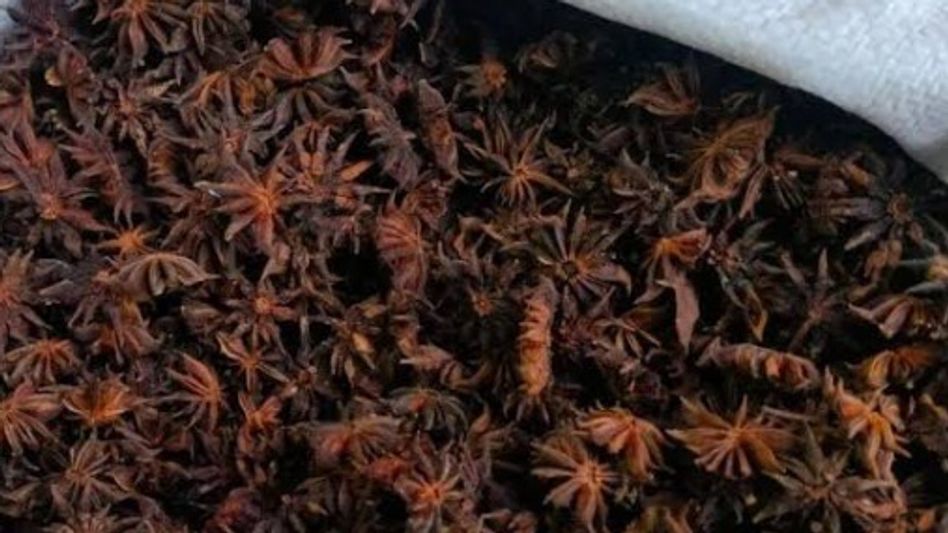
Khagi — a species of Zanthoxylum closely related to what the world knows as Sichuan pepper or Timur — has been part of life in these hills for generations. Indigenous communities have used its dried fruits as a spice, a condiment, and in local traditional practices for as long as anyone can remember. It was never exotic to them. It was just part of the forest, part of the kitchen, part of home. What changed recently is that someone finally figured out how to make the forest pay — without cutting it down.
39 Lakh and Counting
Over 200 households across West Kameng have collectively harvested and marketed more than 10 tonnes of Khagi, generating a total turnover of Rs 39 lakh. Deputy Chief Minister Chowna Mein confirmed this, highlighting that the communities organised everything themselves — collective harvesting, aggregation and marketing. That’s not a government project handing out cheques. That’s people doing the work and seeing the results. And that distinction matters enormously.
Forests as a Business Partner
The real genius of this initiative lies in where it happens — Community Conserved Areas. These are zones where indigenous communities hold the right to manage their own forest resources. Instead of treating the forest as something to be cleared for farmland or surrendered to outside contractors, these communities are running it like a business they actually own. Part of the income is being channelled back into conservation and community welfare, which means the forest has a financial reason to survive. That’s a model even the most ambitious policy papers rarely manage to get right on the ground.
Getting Past the Middleman
One of the quiet victories here is market access. For years, communities selling forest produce had little choice but to accept whatever price the local trader offered. Fluctuating rates, no bargaining power, no alternatives. Improved market linkages have changed that. Organisations including WWF-India have supported similar initiatives in West Kameng, with buyers like Dabur India, Nahar Organics and NERAMAC linked to these communities. That is a completely different conversation than selling at the roadside. And over 100 sq km of forest is now under active community protection because of it.
When indigenous knowledge and community enterprise come together — without waiting for someone else to hand them a solution — this is what it looks like. Rs 39 lakh, 200 families, 100 sq km of forest standing. The numbers are modest by government budget standards. But the idea behind them is anything but small.
HASHTAGS
#KhagiSpice #ArunachalPradesh #WestKameng #IndigenousCommunities #ForestConservation #NortheastIndia #Zanthoxylum #SichuanPepper #CommunityLivelihood #ArunachalNews #SustainableHarvesting #TribalEconomy #ForestProduce #WWFIndia #ChownaMein #RuralIncome #NortheastEconomy #WildSpice #CommunityConservation #AbotaniTV