
Rice reaches a warehouse in Itanagar. Whether it reaches a family in a remote border village is a completely different story — and that gap is exactly what Governor K.T. Parnaik wants to close.
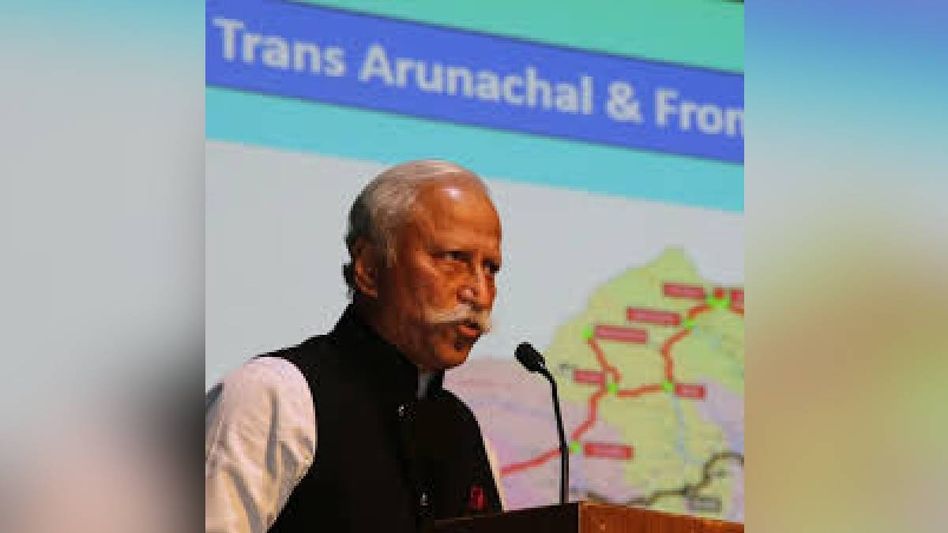
On Tuesday, August 11, Arunachal Pradesh Governor K.T. Parnaik issued a pointed call for greater transparency and accountability across the state’s food security programmes. He made his position clear during a meeting at Lok Bhavan in Itanagar, where Food Commission Chairman Tarh Tarak came to call on him — accompanied by commission members Maji Chokar and Ngasah Tanjang.
Social Audits: The Accountability Tool Nobody Wants to Talk About
The Governor didn’t mince words. He advised the Food Commission to promote regular social audits of key welfare programmes, including the Public Distribution System (PDS), mid-day meal scheme, and Integrated Child Development Services (ICDS). That’s three of the biggest safety nets for ordinary families in Arunachal — and all three have long been plagued by questions about whether the benefits actually reach the people they’re meant for. Social audits, when done right, put that question directly to communities. Parnaik stressed that regular audits could help identify gaps in implementation, prevent leakages, and strengthen public confidence in welfare programmes. In a state where some villages are days away from the nearest town, public confidence isn’t a soft goal — it’s everything.
Tech, GPS, and Aadhaar: Modernising the Food Chain
Parnaik recommended end-to-end digitisation of the foodgrain supply chain through GPS-enabled transportation, electronic point of sale (e-PoS) devices, Aadhaar-enabled authentication, and real-time monitoring systems. It sounds technical, but the idea is simple — track the grain from the moment it leaves a depot to the moment it reaches someone’s hands. He said such measures could help reduce pilferage, improve accountability, and ensure the timely delivery of food grains, particularly in geographically difficult and remote areas. Any journalist who has travelled to Arunachal’s border districts knows just how “difficult” that terrain really is — and how easy it is for supplies to vanish somewhere along the way.
Beyond the Plate: Nutrition, Millets, and Vulnerable Groups
Here’s where the Governor’s vision went beyond bureaucratic reform. Parnaik emphasised that food security should extend beyond the availability of food to include nutrition security, particularly for vulnerable sections of the population. He wasn’t just talking about hunger — he was talking about health. He advocated greater use of locally available nutritious foods, including millets, fruits, vegetables, eggs, and pulses, in government nutrition programmes, with special attention to children, pregnant women, lactating mothers, and other vulnerable groups. That’s a grounded, practical suggestion — Arunachal has rich local food traditions that nutrition programmes have largely ignored in favour of standardised government rations.
A Meeting That Matters
It’s easy to dismiss such meetings as routine protocol. But what came out of Lok Bhavan on Tuesday carries real weight if acted upon. Arunachal’s terrain, its scattered populations, and its border sensitivity make food security not just a welfare issue — it’s a governance challenge of the highest order. Governor Parnaik seems to understand that. The harder question now is whether the system will move fast enough to match his urgency. Words at Lok Bhavan mean little until a family in Tuting or Kibithoo actually gets what they are owed.
HASHTAGS
#ArunachalPradesh #KTParnaik #FoodSecurity #PDSTransparency #SocialAudits #MidDayMeal #ICDS #NutritionSecurity #ArunachalGovernor #FoodCommission #TarhTarak #DigitalIndia #FoodDistribution #AadhaarAuthentication #BorderAreaDevelopment #NortheastIndia #AboTaniTV #WelfareReform #RemoteAreas #FoodForAll