
China keeps playing its favourite renaming game with Arunachal Pradesh. India just slammed the door shut — again.
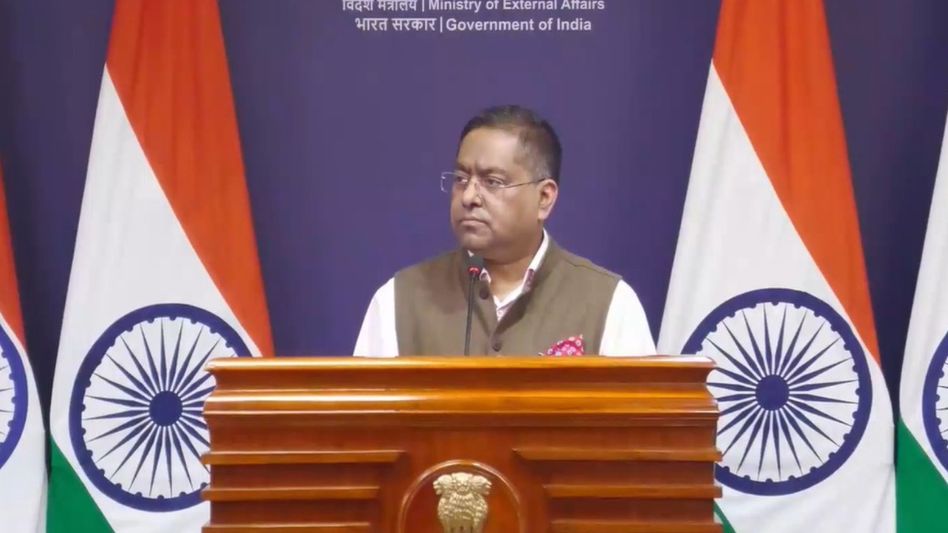
On August 11, India’s Ministry of External Affairs (MEA) delivered one of its sharpest rebuttals yet to Beijing’s persistent campaign of assigning Chinese names to locations inside Arunachal Pradesh. MEA spokesperson Randhir Jaiswal stood before the media and left no room for ambiguity: Arunachal Pradesh is an “inalienable and integral part of India,” and “nothing can change this indisputable reality.” Short. Firm. Final.
India Maps 27 Sites — And Makes a Point
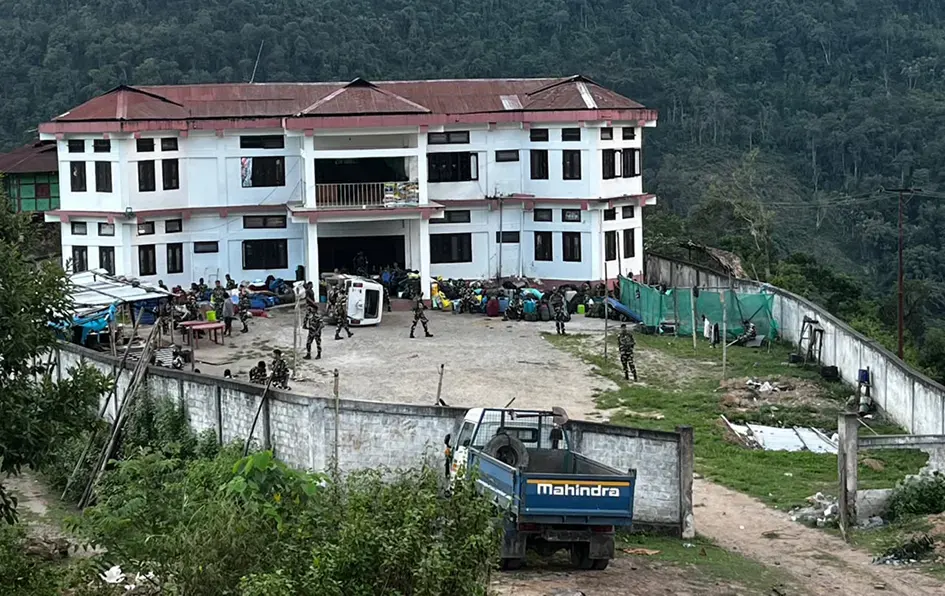
The MEA’s statement didn’t come out of nowhere. It followed a significant move by New Delhi — officially marking 27 locations in Arunachal Pradesh on the Survey of India map using their standardised Indian names. The exercise is partly administrative, aimed at ensuring consistent geographical identification. But make no mistake, it’s also a political signal. When China keeps inventing names for your territory, you respond by planting your own flag — cartographically speaking. Several of the 27 locations carry deep historical weight, including Long Ju, where Indian and Chinese troops came to armed blows as far back as 1959, and Thag La, where the fires of the 1962 India-China war first broke out. These are not obscure spots on a blank map. They are places soaked in history.
Soldiers Remembered, Sovereignty Reasserted
Among the newly standardised locations are Jaswant Garh and the Sher-e-Thapa Memorial — sites that honour Indian soldiers who laid down their lives during the 1962 conflict. Including them in this exercise is deliberate and meaningful. It’s a reminder that India’s presence in Arunachal Pradesh is not just political, it’s written in sacrifice. Jairampur, an important logistical hub in eastern Arunachal Pradesh, also makes the list — underscoring the strategic depth the state holds for India’s northeastern defence architecture.
China’s Naming Game — And Why It Fails Every Time
China calls Arunachal Pradesh “Zangnan.” It has been releasing lists of so-called “standardised” Chinese names for locations inside the state since 2017 — six names then, 15 more in 2021, another 11 in 2023. Each time, India has dismissed the exercise as fictitious, “vain and preposterous,” and entirely without legal or geographical basis. The pattern is predictable by now. Beijing announces names, New Delhi calls them out as a manufactured narrative, and the world moves on. What China cannot seem to grasp — or perhaps chooses to ignore — is that renaming a place on paper changes nothing on the ground.
The Line That Says It All
India has used a phrase that is worth remembering: Arunachal Pradesh “was, is, and will” remain part of India. Three words. Three tenses. One unshakeable position. For the people of Arunachal, whose culture, identity, and history are tied to this land, no amount of Chinese cartographic creativity will ever rewrite that truth.
#ArunachalPradesh #IndiaChina #MEAIndia #RandhirJaiswal #ZangnanRejected #IndiaChineseNames #ArunachalIsMine #SurveyOfIndia #1962War #LongJu #ThagLa #IndianTerritory #ChinaBorderDispute #NortheastIndia #ArunachalPride #AbotaniTV #IndiaStandsStrong #ChinaMaps #BorderNews #ArunachalIsIndia