
Beijing called it “illegal, null and void.” India called it what it is — a fact.
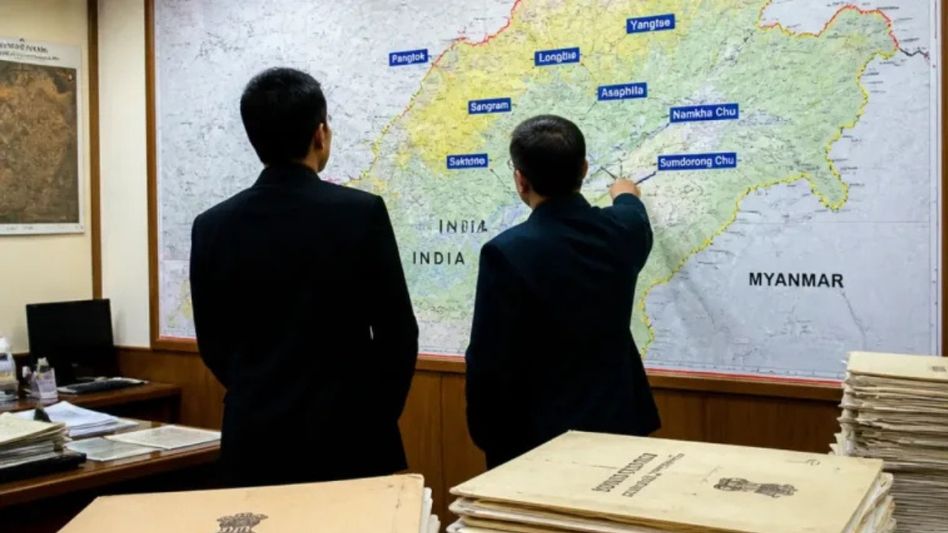
In a move that was always going to rattle Beijing, India last week formally identified 27 places and geographical features in Arunachal Pradesh by their standard names on the official Indian map. It didn’t take long for China to respond — and the language from Beijing was sharp, predictable, and frankly, very telling.
Beijing Fires Back — With the Usual Playbook
On August 10, Chinese Foreign Ministry spokesperson Guo Jiakun stepped up to the podium and delivered what has become something of a rehearsed script. Guo declared that India’s move to replace names “long been used by China” with its so-called standard names is “illegal, null and void.” He went further, insisting that the renaming would not change the fact that the “Zangnan region belongs to China.” That’s what Beijing calls Arunachal Pradesh — Zangnan. It doesn’t recognise the state by its Indian name at all. The audacity of that position, frankly, says everything you need to know about how China approaches this dispute.
A Renaming Game China Started First
Here’s the part that often gets lost in the noise. China’s Ministry of Civil Affairs has been periodically announcing Chinese names for locations in Arunachal Pradesh since 2017, a calculated effort to reinforce Beijing’s territorial claims over the northeastern state. The latest such Chinese list was released as recently as April this year. So when China accuses India of replacing names, it’s worth remembering who started this naming game in the first place. India naming its own places on its own official map isn’t provocation — it’s a response. A firm, measured, and long-overdue one.
India’s Position: Clear, Consistent, and Unwavering
New Delhi has not budged. Not once. India has consistently rejected China’s attempts to rename places in Arunachal Pradesh, describing such moves as baseless and maintaining that changing names cannot alter the ground reality or the state’s status as an integral part of India. The government’s position has been direct: Arunachal Pradesh “was, is, and will” remain an integral part of India. That three-tense construction — past, present, future — is deliberate. It shuts the door on any ambiguity. And the people of Arunachal Pradesh, including the communities of the Abotani belt, have lived this truth for generations.
What This Really Means on the Ground
Strip away the diplomatic language and what you’re left with is this — India is asserting sovereignty over its own land, and China doesn’t like it. Beijing has grown accustomed to making territorial claims through cartographic aggression, renaming mountains and villages on maps as if words on paper can rewrite geography and history. India’s response is to make its own map speak louder. The 27 standardised names aren’t just administrative entries. They are a statement.
The names may be new on paper. But the land has always been ours.
HASHTAGS
#ArunachalPradesh #IndiaChinaDispute #ChinaRejects #IndiaMap #Zangnan #ArunachalIsMine #NortheastIndia #IndiaStandsFirm #ChinaClaims #BorderDispute #GuoJiakun #IndianTerritory #AboTaniTV #ArunachalNews #ChinaAggression #SurveyOfIndia #India2026 #NortheastNews #TerritorialIntegrity #IndiaVsChina