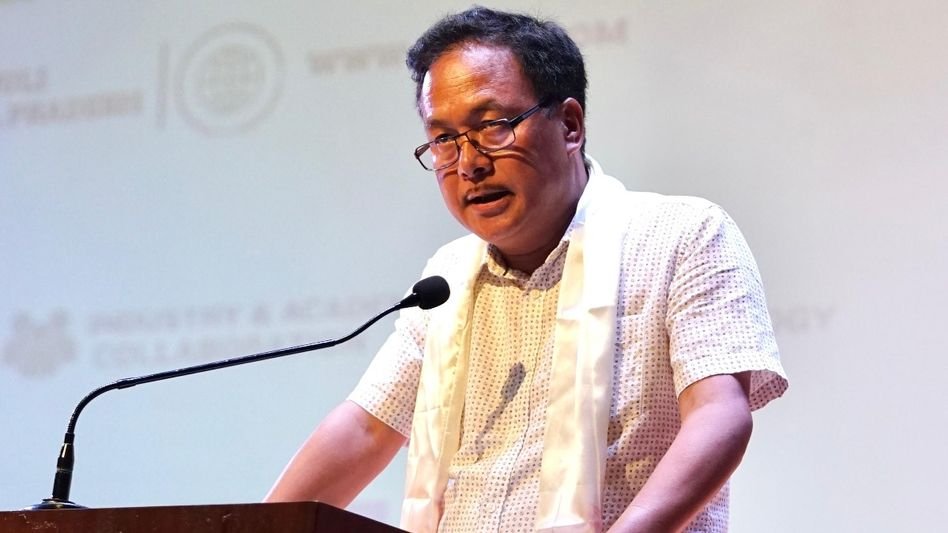

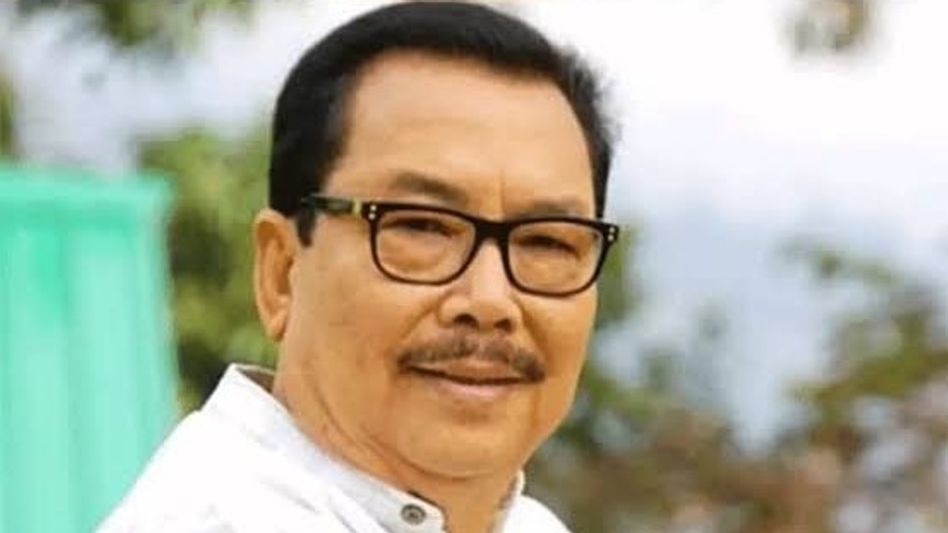
Every language that goes silent takes a world with it. That is exactly the kind of loss Arunachal Pradesh Deputy Chief Minister Chowna Mein is determined to prevent.
On August 9, the world observed the International Day of the World’s Indigenous Peoples — and Mein used the moment to deliver a message that felt less like a political statement and more like a genuine plea. He called on people across the state to wake up to the quiet erosion of indigenous cultures happening right in front of their eyes, urging collective action before traditions that took centuries to build quietly fade away in a single generation.
“Preserving Them Means Protecting Who We Are”
Mein did not mince words. “In Arunachal Pradesh, our indigenous cultures are an integral part of who we are. Preserving them means protecting not only our traditions, but also the knowledge and values passed down through generations,” he said. It is the kind of line that sounds simple on the surface, but carries real weight when you consider what is at stake. Arunachal Pradesh is home to more than 26 major tribes and over 100 sub-tribes — each one carrying its own language, customs, and way of understanding the world. That is not just cultural diversity. That is an extraordinary human archive.
More Than Just Tradition — It Is Knowledge
What makes Mein’s message stand out is that he did not frame culture purely as something sentimental or ceremonial. He emphasised that indigenous traditions carry wisdom passed down through generations and called for collective efforts to safeguard local practices and cultural identities. Think of it this way — native farming techniques, forest knowledge, traditional medicine, oral histories — these are not folklore. They are systems of knowledge that modern science is only beginning to appreciate. Once lost, no amount of documentation fully restores them.
The State Is Acting — But Is It Enough?
To its credit, the state government has not just talked. It has undertaken initiatives to document oral traditions and indigenous languages and digitise historical manuscripts as part of efforts to preserve its unique cultural heritage. These are meaningful steps. But digitising a manuscript and keeping a living culture alive are two very different things. The real preservation happens in homes, in festivals, in the stories grandparents tell their grandchildren — and that part depends on communities choosing to hold on.
A Reminder That Pride Starts at Home
Mein urged people to take pride in their roots, respect the state’s diversity and work towards ensuring that its cultural heritage continues to thrive amid rapid modernisation. And that, honestly, is where the real battle is. Modernisation is not the enemy — but indifference to one’s own identity is. Arunachal’s tribes have survived geography, history, and time. What they need now is their own people to believe their culture is worth carrying forward.
A language spoken, a festival celebrated, a tradition taught to a child — sometimes, that is all it takes to keep a civilisation alive.
HASHTAGS
#ArunachalPradesh #ChownaMein #IndigenousPeoples #IndigenousCultures #TribalIdentity #CulturalHeritage #OralTraditions #IndigenousLanguages #NortheastIndia #TribalCommunity #CulturalPreservation #TraditionalKnowledge #ArunachalTribes #IndigenousPeoplesDay #AbotaniTV #ArunachalNews #TribalHeritage #IndigenousRights #CulturalDiversity #ProtectOurRoots