
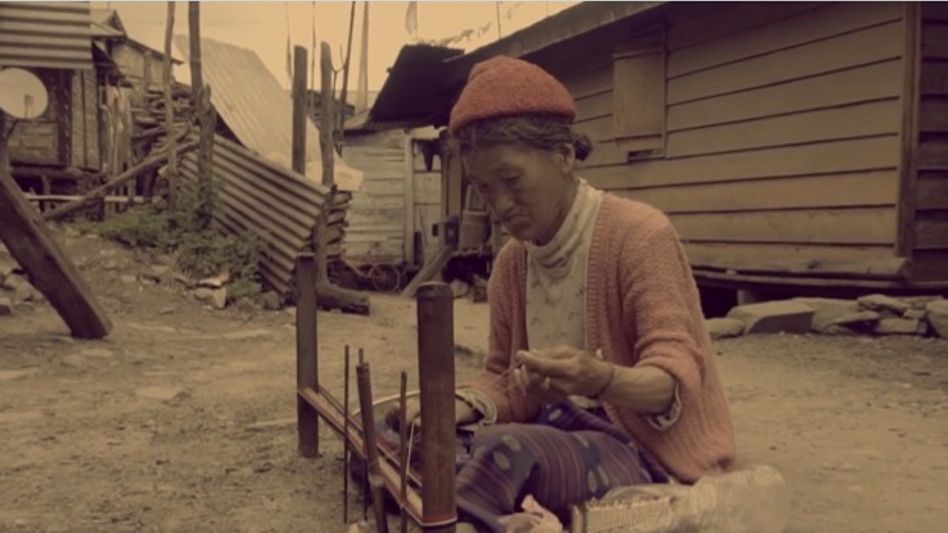
When a loom becomes more than just a tool — it becomes a lifeline, an identity, and a statement to the world.
On National Handloom Day, August 7, Arunachal Pradesh Chief Minister Pema Khandu took stock of a decade’s worth of work — and the numbers are hard to ignore. Over 77,000 weavers across the state have been empowered through sustained government efforts, with indigenous textiles now gaining recognition far beyond the hills of the Northeast.
A Decade That Changed Everything
Khandu said the state government has spent the past decade strengthening the handloom sector, expanding skill development, digital access, and market reach while keeping the state’s rich cultural heritage at the centre of it all. That is no small feat for a state where geography itself often works against connectivity. But the results speak loudly. The state now counts 77,600 handloom weavers and 17,016 allied workers engaged in preserving and promoting traditional crafts. Behind each of those numbers is a family, a story, and a tradition that might have otherwise faded quietly.
Craft Centres, Clusters and Classrooms
Eighty-eight craft centres have been established across the state, where over 886 trainees have received hands-on training. That alone is remarkable given the terrain. Twenty-two cluster development programmes and nine out-of-state cluster development initiatives are also being implemented to sharpen skills, raise productivity and open up new market access for weavers and artisans. It is the kind of ground-level investment that rarely makes headlines but quietly reshapes communities over years.
GI Tags: Telling the World, ‘This Is Ours’
One of the more significant achievements is Arunachal’s growing list of Geographical Indication registered products. The state has 11 GI-registered products, including traditional textiles of the Adi, Apatani, Galo, Idu Mishmi, Monpa, Nyishi, Tai Khamti and Tangsa communities, along with Monpa handmade paper, Wancho wooden craft, and handmade carpets. A GI tag is not just a certificate — it is legal protection and a passport to global markets. It tells the world that a product belongs to a people, a place, a culture that cannot be replicated elsewhere.
Going Digital Without Losing the Weave
Digital initiatives including Arun Shil, the Digital Yarn Depot, the Integrated Department Portal, and a dedicated departmental website have been introduced to give weavers a digital identity, easier access to government services, and improved market opportunities. In a state where remote villages are the norm, putting these tools in the hands of artisans is genuinely transformative.
Khandu summed it up with words that stayed with me: “In Arunachal, handloom is not just woven from threads. It is the future of our identity, our tradition and the future generations.”
That is exactly right. A loom can feed a family today — but it also carries a community’s story into tomorrow. Arunachal Pradesh seems to understand that better than most.
HASHTAGS
#ArunachalPradesh #PemaKhandu #NationalHandloomDay #HandloomWeavers #IndigenousTextiles #GITagged #ArunachalHandloom #NortheastIndia #TribalCrafts #ArunShil #WeaversOfIndia #CulturalHeritage #MonpaHandmadePaper #WanchoCraft #HandloomEmpowerment #MadeInArunachal #ApataniWeaving #IndigenousHeritage #AbotaniTV #ArunachalNews