
An Arunachal Pradesh academic has just put the state on the South Asian research map — and the recognition couldn’t be more timely.
A Win That Means More Than Money
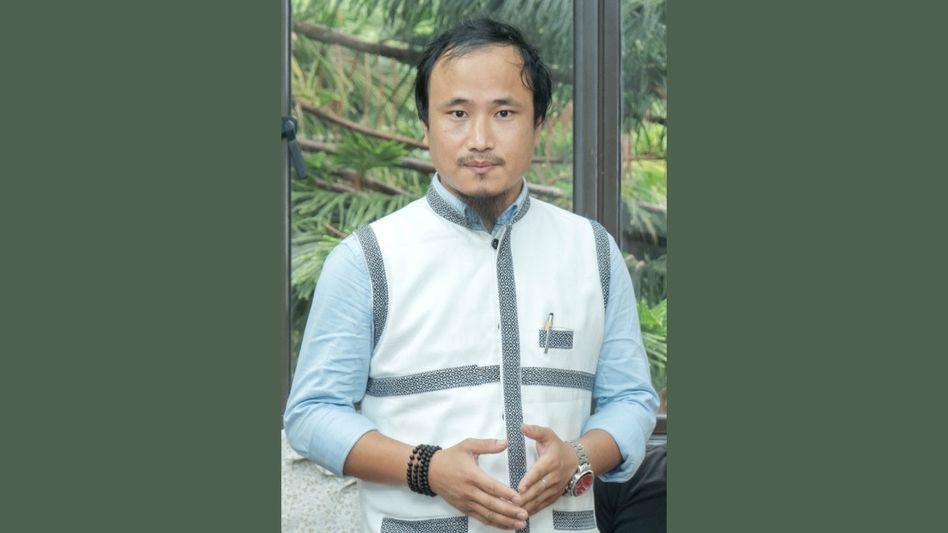
Assistant Professor Prem Taba of the Mass Communication Department at Arunachal Pradesh University has been awarded the SAARC Research Grant 2026–27 by the SAARC Cultural Centre, headquartered in Colombo. The award was confirmed in an official letter dated July 8, with the SAARC Cultural Centre describing the selection process as highly competitive and stating that Taba’s proposal demonstrated strong scholarly merit and relevance to the grant theme. Researchers from all eight SAARC member nations were in the running. Taba’s proposal stood out from all of them.
What Is He Actually Researching?
The title of the project alone tells you this is no ordinary academic exercise. His research, titled When the Vitrine Silences the Forest: Decolonising Tribal Heritage Communication in the Museums of the Eastern Himalayan SAARC Corridor, will study how the Jawaharlal Nehru State Museum in Itanagar and the National Museum of Bhutan in Paro portray — or overlook — the histories and knowledge systems of indigenous communities. That phrase, “when the vitrine silences the forest,” says it all — the glass display case of a museum has often been where living tribal knowledge goes to get flattened, labelled, and quietly forgotten. Taba wants to challenge that.
The Grant and What It Demands
The SAARC Research Grant carries funding of US$3,000, to be released in two instalments. Grant recipients are required to submit a publishable research report, which will undergo review by the SAARC Cultural Centre before potential publication. It is not a symbolic prize — it is a funded commitment to produce work that will enter the formal academic and policy conversation across South Asia.
In His Own Words
Taba did not shy away from the personal weight of this recognition. “This grant is a recognition that the heritage of our tribal communities belongs not only to Arunachal Pradesh, but to the shared cultural memory of South Asia. For me, this is deeply personal: it is an opportunity to bring the voices of our own people into a global conversation on how museums represent, or fail to represent, indigenous knowledge,” he said. Those words carry a quiet force that no press release can manufacture.
CM Khandu Congratulates the Researcher
Chief Minister Pema Khandu congratulated Taba, saying the recognition reflected the quality of research emerging from the state and would draw wider attention to the region’s tribal heritage. “Scholars from across South Asia competed for this grant, and Dr Taba’s research stood out. It will bring global attention to the rich heritage of our tribal communities and explore how museums tell their stories,” Khandu said in a social media post.
Arunachal Pradesh has long been a land where ancient cultures continue to breathe. It only makes sense that one of its own scholars is now asking the world to look more honestly at how those cultures are remembered — and who gets to decide the story.
— Naitik
Abotani TV
#ArunachalPradesh #SAARCGrant #PremTaba #TribalHeritage #EasternHimalayas #IndigenousKnowledge #SAARCCulturalCentre #ArunachalUniversity #MuseumStudy #NortheastIndia #Decolonisation #HeritageResearch #PemaKhandu #TribalCulture #ArunachalNews #AbotaniTV #SouthAsiaResearch #IndigenousRights #CulturalMemory #NortheastNews