
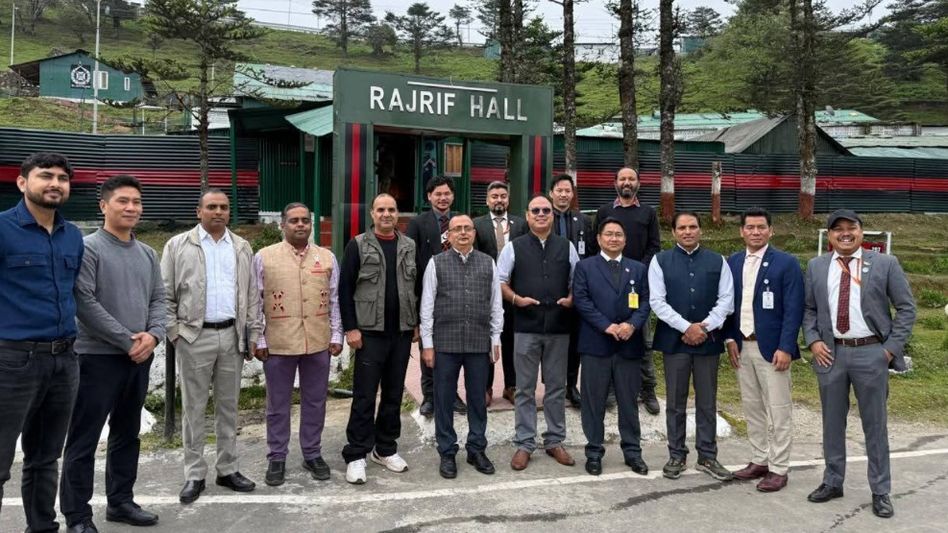
Tawang, Arunachal Pradesh — In a significant step toward climate resilience in the fragile Eastern Himalayas, top scientists, government bodies, and Indian Army officials gathered in Tawang to examine the growing danger of sudden glacial lake floods linked to the Khangri Glacier.
This two-day high-level meeting addressed urgent concerns over potential Glacial Lake Outburst Floods (GLOFs) that could threaten lives, homes, and key infrastructure downstream.
The discussions zeroed in on the Mago Chu Basin and nearby glacial lakes, including Sangye Neku, also known as Rani Lake. Experts highlighted how rapid changes in the Himalayan cryosphere are increasing the likelihood of these catastrophic events.
- National institutions joined forces with local agencies and the Army for detailed risk assessment
- Focus on improving ground-level data beyond satellite observations
- Recommendations for practical engineering solutions suited to sensitive mountain ecosystems
Participants pointed out that glacial lakes in the Eastern Himalayas rank among the least studied worldwide. Harsh terrain, extreme altitudes, and scarce on-site information make accurate risk evaluation difficult. Most current knowledge comes from satellite images, which cannot fully reveal critical details like water volume or lake depth.
A major emphasis was placed on conducting bathymetric surveys — underwater mapping — to better understand stored water volumes and model possible flood scenarios if a lake were to breach.
Following thorough deliberations, specialists proposed several forward-looking measures. One promising idea involves using a modular siphon system to gradually lower water levels in high-risk lakes. Experts described this method as both effective and gentle on the delicate Himalayan environment.
The Director of the Centre for Earth Sciences and Himalayan Studies (CES&HS) stressed the broader implications of these changes. Shifts in the Himalayan ice fields affect not just local areas but entire river systems, water availability, power generation, and communities far downstream.
Arunachal Pradesh’s mountainous regions are particularly vulnerable to climate-driven hazards. Effective GLOF preparedness can protect thousands of residents, preserve vital infrastructure, and support sustainable development in one of India’s most ecologically sensitive zones.
Participating organizations pledged to boost collaborative research, enhance real-time monitoring, and create science-backed action plans. Future efforts will likely include more field studies and technology integration to stay ahead of emerging threats from the Khangri Glacier and similar sites.
Local authorities and scientific teams are expected to translate these recommendations into concrete on-ground strategies in the coming months.
- Two-day consultation in Tawang brought together premier research bodies and the Indian Army
- Special attention to Khangri Glacier and Sangye Neku Lake in Mago Chu Basin
- Call for bathymetric surveys and siphon-based water management
- Strong focus on protecting downstream communities and infrastructure
What is a GLOF and why is it dangerous? A Glacial Lake Outburst Flood occurs when a natural dam holding back a glacial lake fails, releasing massive volumes of water suddenly. These events can cause devastating floods in downstream valleys.
Which areas in Arunachal Pradesh face GLOF risks from Khangri Glacier? The Mago Chu Basin and regions downstream from the Khangri Glacier in Tawang district are primary areas of concern.
How can siphon systems help reduce GLOF threats? Modular siphons allow controlled, gradual draining of excess lake water, reducing pressure on natural dams without major ecological disruption.
Hashtags: #KhangriGlacier #GLOF #ArunachalPradesh #Tawang #HimalayanGlaciers #ClimateAction #DisasterPreparedness #EasternHimalayas #GLOFRisks #MountainSafety #IndiaNortheast #ClimateResilience