
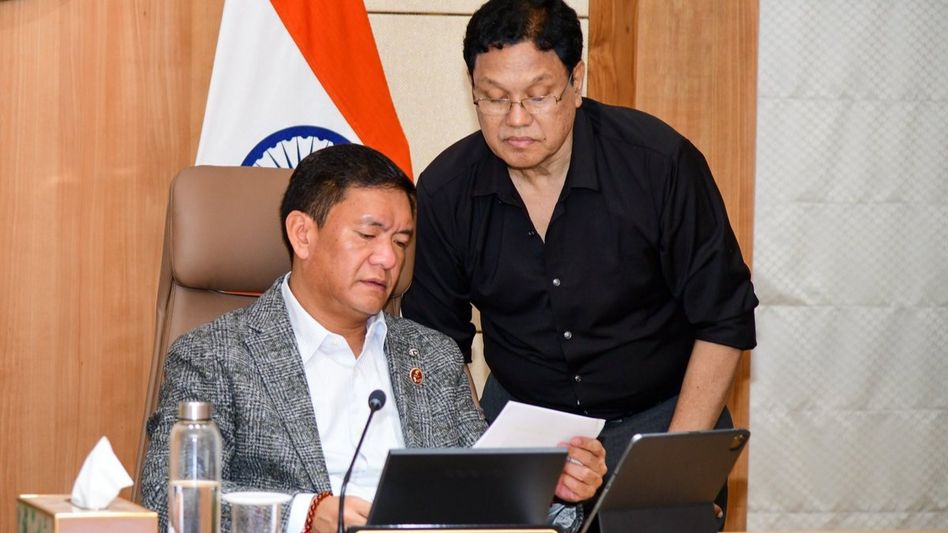
Itanagar: In a significant development, the Arunachal Pradesh government has decided to set up four dedicated high-powered committees. These panels will examine critical issues related to tribal certificates and border security in the sensitive northeastern state.
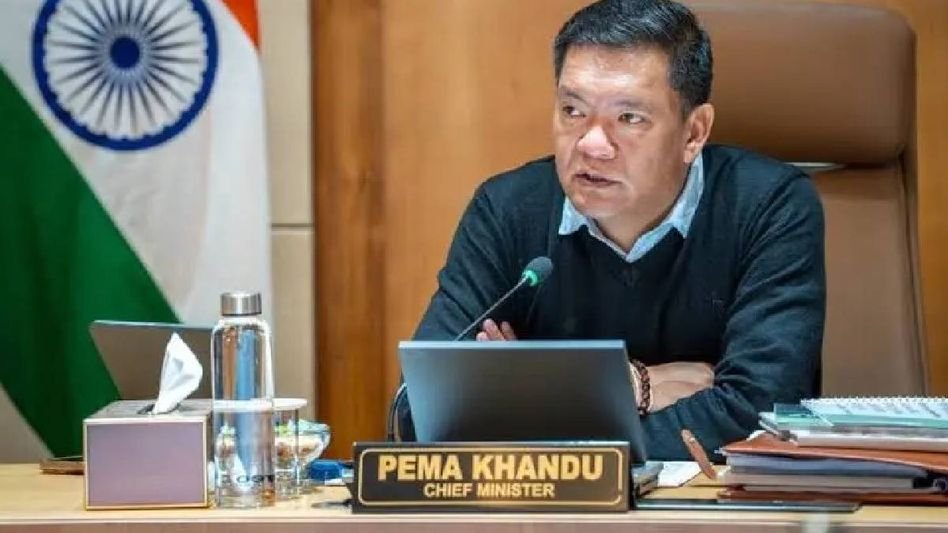
Chief Minister Pema Khandu made this announcement on May 29, 2026, following extensive talks with various stakeholder groups. The move aims to address long-standing concerns of indigenous communities regarding identity protection and demographic stability.
Background of the Decision
The formation of these committees comes after detailed discussions with the Arunachal Indigenous Tribes Forum (AITF), All Arunachal Pradesh Students’ Union (AAPSU), ST Bachao Andolan Committee, and other community representatives. Legal experts and government officials also participated in the meetings held on May 27 and May 29.
Key Highlights:
- Four separate committees will tackle distinct challenges
- Each panel will be led by a cabinet minister
- Committees include diverse representation from students, tribes, women, and experts
- Recommendations expected within six months
- Regular review meetings to be chaired by the Chief Minister
Focus Areas of the Four Panels
The committees will work on the following key issues:
- Re-verification of APST Certificates – Thorough review and validation of Arunachal Pradesh Scheduled Tribe certificates to prevent misuse.
- Non-APST Offspring Issues – Examining challenges faced by children of non-APST parents.
- Strengthening Inner Line Permit (ILP) – Comprehensive review of ILP guidelines, including the 2026 updates, to make the system more effective.
- Checking Infiltration – Measures to curb illegal entry and protect the state’s demographic balance.
Why This Matters for Arunachal
This initiative reflects the state government’s commitment to safeguarding the unique cultural identity and rights of indigenous tribes. For years, local organizations have raised concerns about certificate irregularities, weakening of ILP mechanisms, and rising infiltration along international borders.
By forming these inclusive panels, the government is taking a balanced and consultative approach that involves all major stakeholders.
What Happens Next
Official notifications for the committees are expected to be issued soon. The panels will conduct detailed studies, hold wider consultations, and submit actionable recommendations. Three progress review meetings under the Chief Minister’s chairmanship will ensure timely implementation.
Expert and Stakeholder Reactions
Chief Minister Pema Khandu described the decision as a result of constructive dialogue. He emphasized that the committees would deliver practical solutions to protect tribal interests while maintaining administrative efficiency.
FAQs
Q1: What are the four high-powered panels in Arunachal Pradesh? These panels will review APST certificate verification, non-APST offspring issues, ILP strengthening, and infiltration control.
Q2: When will the committees submit their reports? The committees have been given six months to submit recommendations, though this timeline may be extended based on requirements.
Q3: Who will lead these committees? Each committee will be headed by a cabinet minister and include representatives from tribal forums, student unions, and legal experts.
Trending Hashtags: #ArunachalPradesh #APST #InnerLinePermit #PemaKhandu #TribalRights #ILP #NortheastIndia #IndigenousRights #ArunachalNews #SaveArunachalIdentity #AITF #AAPSU