

Introduction
Few things are more frustrating than being exhausted yet unable to find a comfortable position in bed. If you have been searching for how to sleep better with lower back pain without medication, you are not alone — many people discover that the way they sleep, the pillows they use, and their evening habits can make the night feel far more restful. This guide focuses on practical, non-medical comfort strategies: sleep positions that reduce strain, smart pillow placement, gentle bedtime routines, and small daytime habits that set your nights up for better rest. Nothing here is a cure, and the goal is comfort, not treatment — small changes, stacked night after night, often add up to noticeably better sleep.
The Best Sleep Positions for Lower Back Pain
Your sleeping position is the single biggest factor in how much your back complains at night. Spinal alignment is the goal: you want your head, neck, and spine resting in as neutral a line as possible, without the lower back arching too much or sinking into a twist.
1. Side Sleeping With a Pillow Between Your Knees
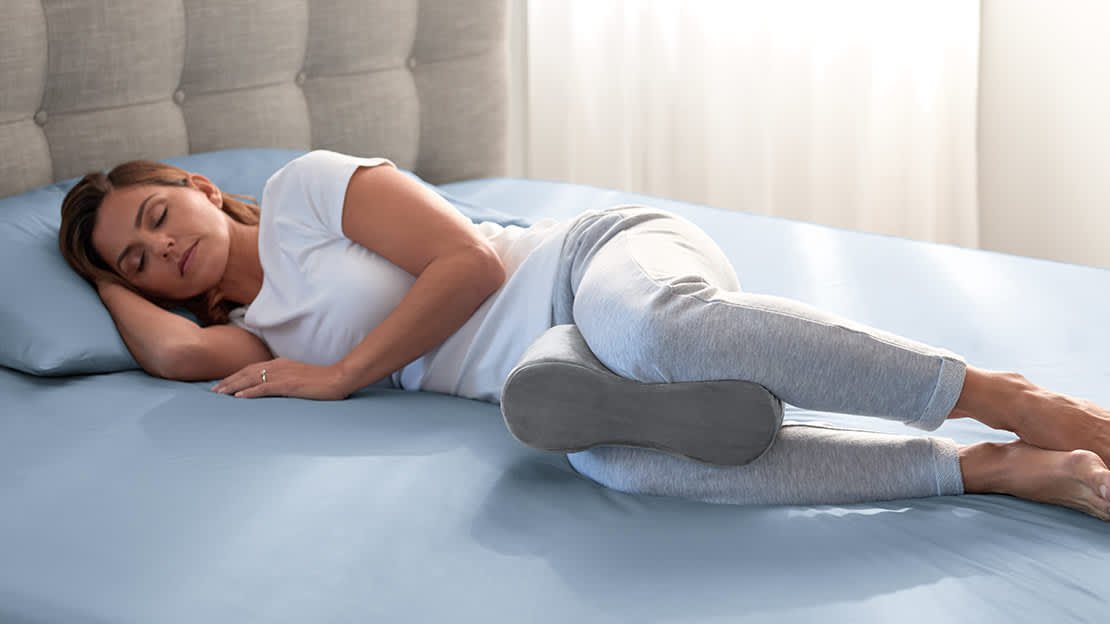
This is the position many people find most comfortable. Lie on your side with your knees gently bent, then tuck a regular pillow between your knees. The pillow stops your top leg from pulling your pelvis forward and twisting your lower back, which is a common source of overnight aching. Keep your arms in front of you rather than tucked under your head — hands jammed under a pillow can lift the shoulder and strain the upper back. If you switch sides during the night, take the pillow with you; many side sleepers notice a real difference once the knee pillow becomes a habit.
2. Back Sleeping With a Pillow Under Your Knees
If you sleep on your back, place a pillow or a rolled towel under your knees. This small lift flattens the natural curve of the lower back against the mattress, taking pressure off that area for many people. A flatter, thinner pillow under the head works well here — a thick, high pillow pushes the chin toward the chest and bends the neck. Some back sleepers also place a small rolled towel in the gap between the mattress and the small of their back for extra support.
3. Stomach Sleeping (And a Gentle Way to Shift Away From It)
Stomach sleeping is generally the toughest position on the lower back because it forces the spine to arch and the neck to twist. If this is your go-to position and you are not ready to give it up, try placing a thin pillow under your hips and belly to reduce the arch — many people find this takes the edge off. But the gentler long-term move is to train yourself toward your side: start the night on your side with the pillow between your knees, and over time your body often adopts it as the new default.
How to Get In and Out of Bed Without Jarring Your Back
The moments of climbing in and getting up are when many people feel the sharpest twinges. A simple technique can help:
- Getting in: Sit on the edge of the bed, then lower yourself onto your side while swinging your legs up, keeping your knees together. Then roll onto your back or stay on your side — avoid sitting upright and twisting to lie down.
- Getting up: Reverse it. Roll to your side, let your legs swing off the edge of the bed, and use your hands to push yourself upright. Sitting straight up like a sit-up puts a lot of strain on the lower back, especially first thing in the morning when everything feels stiff.
Pillow Placement Guide for Each Position
Pillows are the cheapest comfort upgrade you own. Here is how to arrange them for each position:
- Side sleepers: One supportive pillow under your head (thick enough to fill the gap between your ear and shoulder, keeping your neck level with your spine) plus one pillow between your knees. Hugging a third pillow can also keep your shoulders from rolling forward.
- Back sleepers: One flat-to-medium pillow under your head, one pillow under your knees, and optionally a small rolled towel in the lower-back curve.
- Stomach sleepers: A very flat pillow under your head (or none at all) plus a thin pillow under your hips to ease the spinal arch.
One caution: stacking two or three big pillows under your head in any position cranks the neck forward all night. Many people wake up with a stiff neck and a worse back simply because of pillow height. A medium-firm pillow that keeps your neck aligned with your spine is the comfort sweet spot.
Mattress Comfort Basics
A mattress that works against you can undo all the good work of careful positions and pillows. Here is how to judge yours:
- Medium-firm is the most common comfort preference. A mattress that is too soft lets the hips sink deeply, twisting the lower back all night; one that is very hard pushes pressure points and keeps the body tense. Many people find a medium-firm surface supports the spine’s natural shape most comfortably.
- Signs your mattress works against you: visible sagging or a dip in the middle, waking with stiffness that fades within half an hour, or sleeping noticeably better on a different bed when traveling.
- Try a topper before replacing. If a new mattress is not on the table, a 2- to 3-inch supportive topper can level out mild sagging and refresh an older mattress. Rotating the mattress head-to-foot every few months can also even out wear.
A clean, fresh-feeling mattress also helps you sleep more soundly. If yours is due for a refresh, this step-by-step guide on how to clean a mattress without a steam cleaner walks through an easy method using simple household items.
A Calming Bedtime Routine for Pain-Related Sleep Anxiety
When pain makes you dread bedtime, the worry itself becomes a sleep problem. A wind-down routine teaches your body that the evening ends in rest, not in a wrestling match with your back:
- Take a warm shower or bath about an hour before bed. Many people find that warmth loosens a tight back and that the drop in body temperature afterward makes them feel drowsy.
- Do five minutes of gentle evening movement. Slow knee-to-chest stretches while lying on your back, gentle cat-cow stretches, or simply lying on the floor with your calves resting on a chair seat can ease the day’s tension. Keep it easy and stop if anything feels uncomfortable — the point is relaxation, not a workout.
- Wind down away from screens. Reading, listening to calm music, or practicing slow breathing — inhale through the nose for a count of four, exhale through the mouth for a count of six — helps the nervous system settle. Breathing slowly also keeps attention off the ache and on the rhythm of the breath.
- Keep a consistent bedtime. Going to bed and waking up at roughly the same times trains your body to expect sleep, which makes it easier to drift off even on uncomfortable nights.
Daytime Habits That Feed Better Nights
How you move through the day shows up in your nights. Small adjustments can leave your back calmer by bedtime:
- Take short walks. A 10- to 20-minute easy walk most days keeps the back from stiffening up. Many people notice that their back feels looser on days they walked than on days they sat all day.
- Break up sitting with posture resets. Stand up every 45–60 minutes, roll your shoulders, and stretch tall. If desk work dominates your day, pairing this habit with the posture guidance in How to Fix Bad Posture at a Desk Without Equipment (Guide) can make a noticeable difference to how your back feels by evening.
- Avoid long sofa slumps. Deep, soft sofas let the spine curl for hours, and the bill comes due at night. Sit with your feet flat and your lower back supported, or break long sofa sessions into chunks.
- Lift and bend mindfully. Bend your knees when picking things up, avoid twisting while carrying, and keep heavier items close to your body. One awkward lift can sour several nights of sleep.
Set Up Your Bedroom for Comfort
Your bedroom should work like a sleep cave: cool, dark, and quiet.
- Temperature: A slightly cool room, roughly 65–68°F (18–20°C), is the comfort zone most sleepers prefer. If you wake up sweaty and aching, a cooler room and lighter bedding may help.
- Lighting: Keep the room as dark as practical. Blackout curtains or a comfortable sleep mask block early light, and dimming the house lights an hour before bed signals your body that night is coming.
- Noise: Earplugs or a steady white-noise machine can mask disruptive sounds that pull you half-awake, which is when a sore back tends to announce itself.
- Supportive extras: Keep a spare pillow within reach for repositioning, and consider a body pillow if you toss between positions — it supports the knees, hips, and shoulders through the night.
A Night-Waking Plan: What to Do at 3 AM
Waking in the night with an aching back is common, and lying there worrying about it guarantees a rough hour. Have a plan ready:
- Don’t check the time. Clock-watching fuels frustration. If you can see the clock, turn it away.
- Breathe first. Lie still and take ten slow breaths — in through the nose, out through the mouth. Many people find the ache feels less urgent once the body stops bracing against it.
- Reposition gently. If you are on your back, roll to your side and pull the pillow between your knees. If your back feels compressed, lie on your back with knees up and rock them gently side to side — a few slow tilts can release that stuck feeling.
- Get up briefly if you are still awake after 20 minutes. Tossing and turning teaches your brain that bed is a battleground. Move to a dim chair, read something calm or sip warm water, and return to bed when drowsiness comes back.
Mistakes to Avoid
- An overly soft, sagging mattress. It may feel cozy at first, but the hips sink and the lower back twists all night.
- Stacking too many pillows under your head. A towering pillow cranks the neck forward and shifts strain down the spine.
- Scrolling in bed. Phone light and mental stimulation push sleep away, and the curled-up posture adds strain. Charge the phone across the room.
- Caffeine or alcohol late in the day. Caffeine keeps the mind wired; alcohol may make you drowsy but tends to fragment sleep and wake you in the small hours.
- Skipping movement entirely. Rest days are fine, but total stillness stiffens the back and often makes nights worse, not better.
When to See a Professional
Comfort strategies go a long way, but they are not a substitute for professional guidance. Talk to a qualified professional if the pain persists for several weeks, worsens, spreads to the legs, disrupts your daily life, or is accompanied by anything that worries you. Trust your instincts — if something feels wrong, getting checked is the right move.
Frequently Asked Questions
What is the best sleeping position for lower back pain?
Many people find side sleeping with a pillow between the knees the most comfortable option, because it keeps the hips and spine aligned. Back sleeping with a pillow under the knees is another popular choice. Stomach sleeping tends to strain the lower back, so side or back positions are generally easier on it.
Should I sleep without a pillow if my back hurts?
Back sleepers sometimes do well with a very flat pillow, and stomach sleepers often skip the head pillow entirely — but most people still need some head support to keep the neck aligned with the spine. Adjusting pillow height to your position usually helps more than ditching the pillow.
Can a mattress make lower back pain worse?
A mattress can absolutely make nights harder. Sagging, overly soft mattresses let the hips sink and twist the lower back, while many people find medium-firm surfaces the most comfortable middle ground. If you sleep better on other beds than your own, your mattress may be working against you.
What should I do when back pain wakes me up at night?
Try slow breathing first, then reposition — side sleepers can pull a pillow between the knees, back sleepers can rock bent knees gently side to side. If you are still awake after about 20 minutes, get up briefly to a dim room and return to bed when drowsy.
Does stretching before bed help with back pain at night?
Many people find that a few minutes of gentle stretching — like knee-to-chest stretches or resting the calves on a chair seat — helps their back feel looser before sleep. Keep it gentle and comfortable; the goal is relaxation, not an intense workout.
How long until better sleep habits help?
There is no fixed timeline, but many people notice small improvements within a week or two of consistent changes — especially from repositioning and pillow adjustments. Consistency matters more than any single trick.
This article is for informational purposes only and is not medical advice. Consult a qualified professional.