
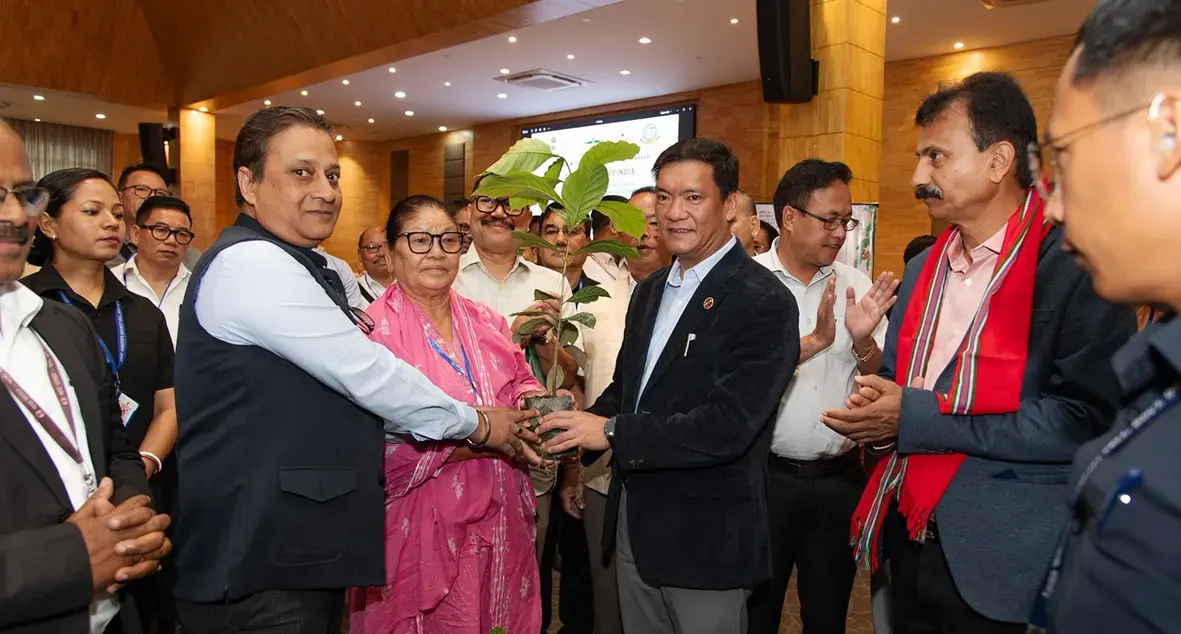
ITANAGAR, October 4, 2026 — For nearly fifty years, coffee has quietly grown in the hills of Arunachal Pradesh. Nobody talked much about it. No real push came from the government. No dedicated policy, no serious awareness campaign. Just a crop left largely to its own devices on roughly 600 hectares of land. Chief Minister Pema Khandu wants that to change — and he wants it to change now.
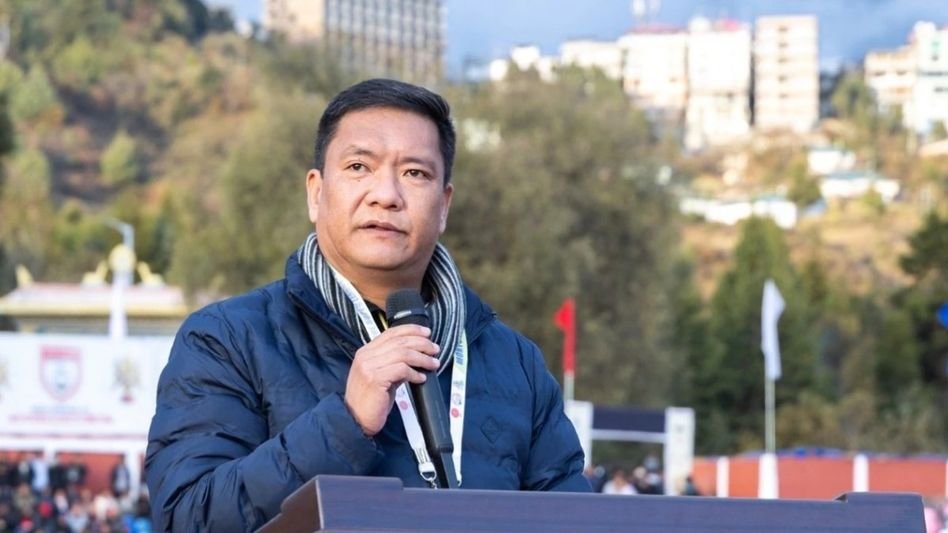
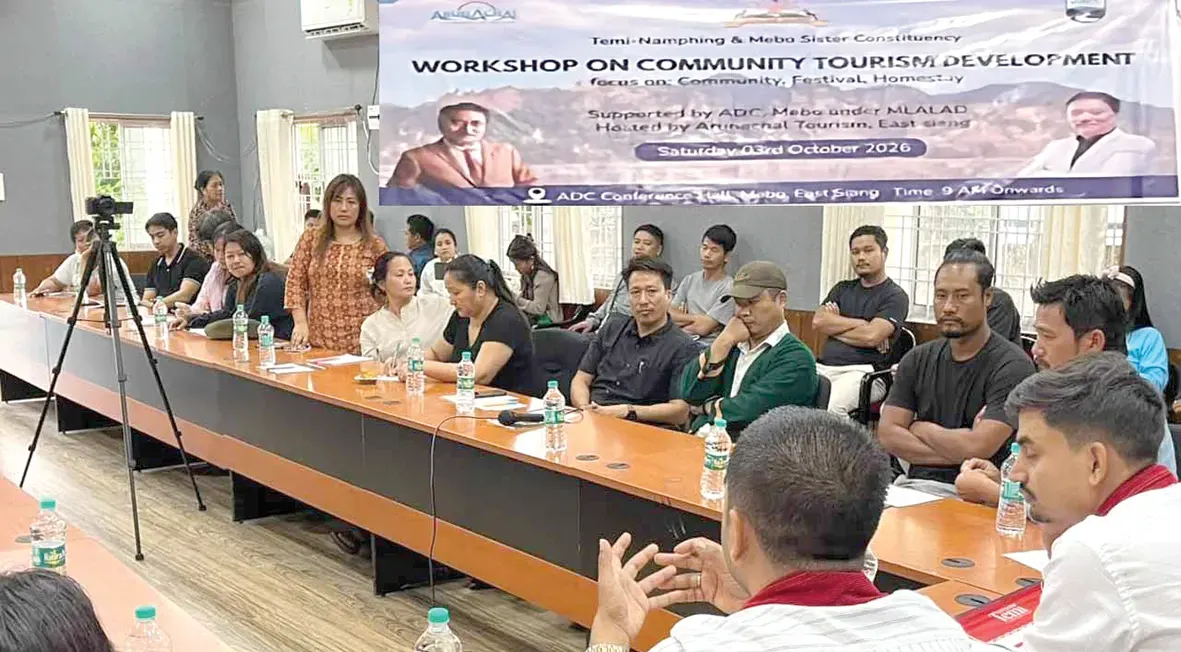
Speaking at the inaugural ceremony of the ‘Hills to Cup’ Coffee Workshop organised by the Coffee Board of India in collaboration with the state’s Agriculture Department on Saturday, Khandu laid out a vision for what Arunachal Pradesh could become in India’s growing coffee story. It wasn’t a vague, feel-good kind of speech. He was specific, reflective, and at moments, quite candid about how the state had been sleeping on a real opportunity.
“This is, in a way, the first chapter of the state stepping towards the history of coffee in Arunachal Pradesh,” he said at the event.
That line says a lot. Coffee cultivation in this state didn’t begin yesterday. It has roots going back about five decades. And yet, the sector has never had a dedicated policy backing it, never got the kind of institutional hand-holding that other crops received. Khandu openly acknowledged this gap — and more importantly, said he intends to personally follow up with the Coffee Board of India to figure out what specific policy measures can actually be introduced to support growers and entrepreneurs on the ground.
The numbers right now are modest. Around 600 hectares of land is under coffee cultivation across the state, with a significant chunk of that under the Arunachal Pradesh Forest Corporation in the eastern parts. Several individual growers attending the workshop have been running pilot or model initiatives on their own — without much institutional support. That tells you something. There’s genuine interest at the grassroots level. What’s been missing is the infrastructure around it.
The workshop is designed to start filling those gaps. Coffee Board of India’s technical experts are expected to assess the challenges faced by growers, identify where knowledge and practice are falling short, and then prepare concrete recommendations for the state government. Khandu promised that the government would closely follow up on whatever emerges from these technical consultations. “As they recommend, the state government will extend full support to you in the coming days,” he said.
But he was clear that simply expanding the area under cultivation isn’t enough. More hectares of coffee plants won’t automatically translate into better lives for growers. Productivity per hectare needs to go up. Bean quality has to improve. Processing, value addition, and market linkages — these are the things that actually decide whether a farmer earns a decent income or not. Khandu’s message was that Arunachal needs to build a proper coffee value chain, not just more farmland.
One angle that’s easy to miss in a conversation like this is tourism. Arunachal Pradesh has seen its tourism sector grow considerably in recent years, and Khandu made an interesting observation about it. Tourists coming into the state generally prefer coffee. That’s a ready market sitting right at the doorstep of local growers and entrepreneurs. It’s the kind of organic business opportunity that doesn’t require a massive capital outlay — just the right product and the right positioning.
That’s why Khandu was particularly vocal about getting young people into the coffee ecosystem. Not just as farmers, but across the entire value chain — cultivation, processing, packaging, branding, café businesses. The chief minister urged youth to see coffee not as a traditional crop they’ve overlooked, but as a genuine avenue for employment and entrepreneurship in a state where both are critically needed.
The global coffee market is expanding. That’s not Arunachal Pradesh’s doing, but it is Arunachal Pradesh’s opportunity. The state’s diverse agro-climatic conditions — the varied terrain, the fertile soil, the multiple climatic zones — give it a natural head start for producing coffee with a character distinct from other Indian origins. Whether the state can capitalise on that is the real question.
What’s different this time, at least in spirit, is that there seems to be intent backed by a structured process. The workshop format, with growers and technical experts in the same room, is exactly how knowledge gaps get identified and addressed. The Coffee Board’s recommendations will give the state government something concrete to act on, rather than just broad strokes of agricultural policy that don’t really address coffee’s unique challenges.
Khandu has put his name behind a personal follow-up with the Coffee Board. That’s a commitment worth watching. Arunachal’s coffee has waited long enough. The hills have always had what it takes — what comes next will depend on whether policy finally meets potential.