
A pension scheme that got Cabinet approval and then quietly disappeared into bureaucratic limbo. That’s the reality hundreds of working journalists in Arunachal Pradesh have been living with — and on Saturday, media bodies decided enough was enough.
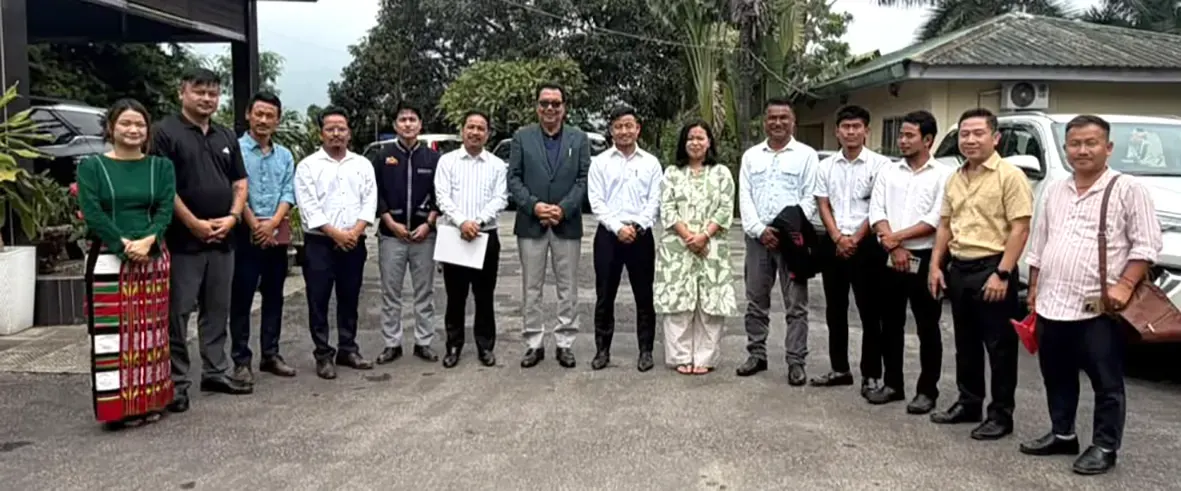
The Arunachal Press Club (APC), the Arunachal Pradesh Union of Working Journalists (APUWJ), and several district press clubs collectively met Deputy Chief Minister Chowna Mein at his residence in Upper Niti Vihar, Itanagar, putting the profession’s most pressing concerns squarely on the table.
The delegation raised issues concerning the welfare and professional interests of working journalists and the strengthening of the media network across the state. But the headline grievance — the one that’s been festering the longest — was about money. Specifically, the lack of it.
The Arunachal Pradesh Working Journalists’ Pension Scheme (APWJPS)-2020, which was announced in the state budget for 2019-20, has remained unimplemented despite extensive discussions with the Department of Information and Public Relations (DIPR) and even receiving Cabinet approval. The sticking point? Objections raised at the bureaucratic level. A scheme that was born in a budget speech six years ago has never made it past the desks of officials.
That’s a long time to wait. For journalists who spend careers covering floods, elections, conflict, and development in one of India’s most remote and challenging states, a pension isn’t a luxury — it’s basic dignity.
Beyond the pension, the delegation pressed another issue that often gets overlooked: coordination. The APC — which has five affiliated district press clubs in Ziro, Aalo, Raga, Pasighat and Seppa — sought clear directions to deputy commissioners to ensure that press conferences, media interactions, workshops and other media-related programmes are coordinated through the respective district press clubs. It sounds procedural, but it matters deeply. When government events bypass these clubs, it quietly undermines the very institutions meant to anchor journalism at the grassroots level.
DCM Mein’s response was measured but not dismissive. He acknowledged the concerns raised and suggested the pension issue be pursued with the competent authorities for further necessary action. He also took a moment to recognise what these organisations actually do — not just advocate, but hold the profession together. Mein emphasised the need to create a conducive and supportive environment for working journalists so that they can discharge their responsibilities with independence, professionalism and dignity.
He added something that tends to get said a lot in political circles but deserves genuine weight here: the importance of free, fair and responsible journalism in keeping people informed and strengthening democratic institutions.
Words, of course, are easy. The journalists sitting in that room at Upper Niti Vihar have probably heard variations of this before. What they haven’t seen is their pension scheme actually rolled out. A Cabinet-approved plan collecting dust for six years isn’t a bureaucratic hiccup — it’s a failure of follow-through.
The DCM’s acknowledgement is a step. Whether it translates into action, or becomes another meeting on a long list of meetings, is the real question. Arunachal’s journalists have been patient. That patience has a limit — and Saturday’s delegation was a clear sign they’re watching closely.