
Tawang’s farmers are being told the answer to healthier soil might already be crawling beneath their feet.
Scientists at the Krishi Vigyan Kendra (KVK), Tawang, wrapped up a five-day skill development training programme on Friday with a clear message — stop leaning on chemicals and start trusting nature. At the heart of that message was vermicomposting, the practice of using earthworms to convert organic waste into rich, nutrient-dense compost.
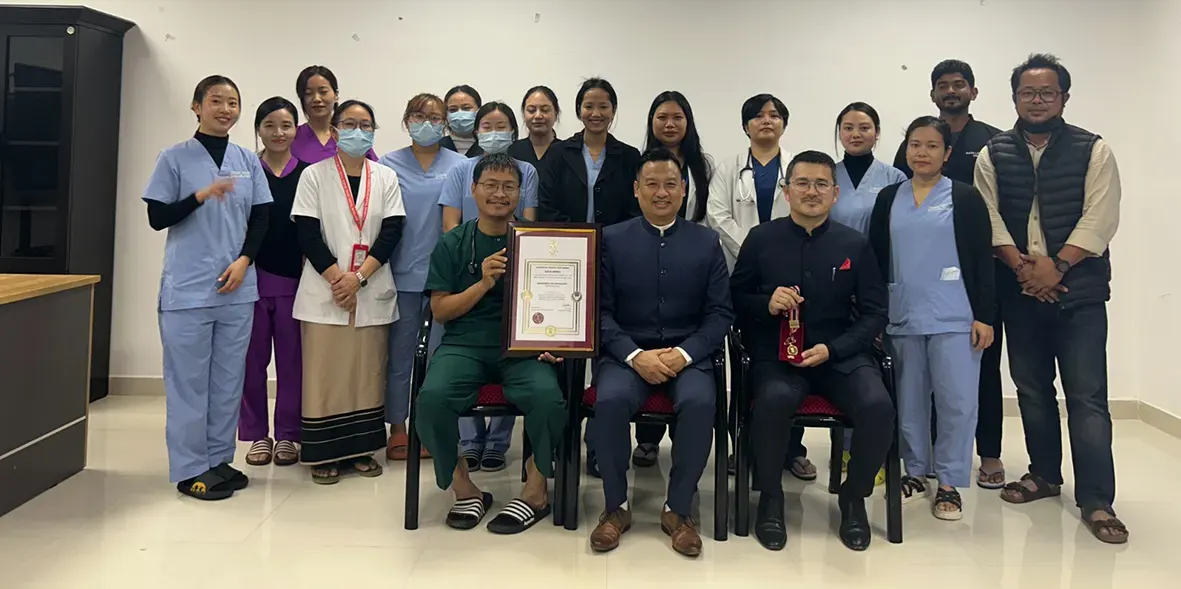
Twenty-five progressive farmers from the region attended the programme, and by the time it closed, they walked away with more than just advice — they had hands-on knowledge, practical skills, and a new way of looking at the land they work every day.
Addressing the gathering on the concluding day, Senior Scientist and Head of Tawang KVK, Dr. Anjanand Tripathy, made the case simply and directly. Vermicomposting, he said, isn’t just an eco-friendly practice — it’s a real business opportunity. The organic resources needed are already available locally. What farmers need is the knowledge to use them well.
That’s not a small point. In a region like Tawang, where farming communities often depend heavily on expensive chemical inputs, the idea that the soil itself can be nurtured and made productive through what’s already at hand carries serious economic weight.
Kyidphel Circle AC Sangey Norbu also took the stage and spoke with an urgency that felt personal. He stressed reducing dependence on chemical inputs, improving soil health, and making sure the farming practices of today don’t compromise what the next generation inherits. Sustainable agriculture, he said plainly, is not optional — it’s the future.
The training didn’t stop at theory. Participants got practical exposure to vermicompost production and learned how to apply it effectively in their fields. Vegetable and barley seeds were also distributed among the attending farmers — a small but meaningful step toward giving them something tangible to take back to their plots.
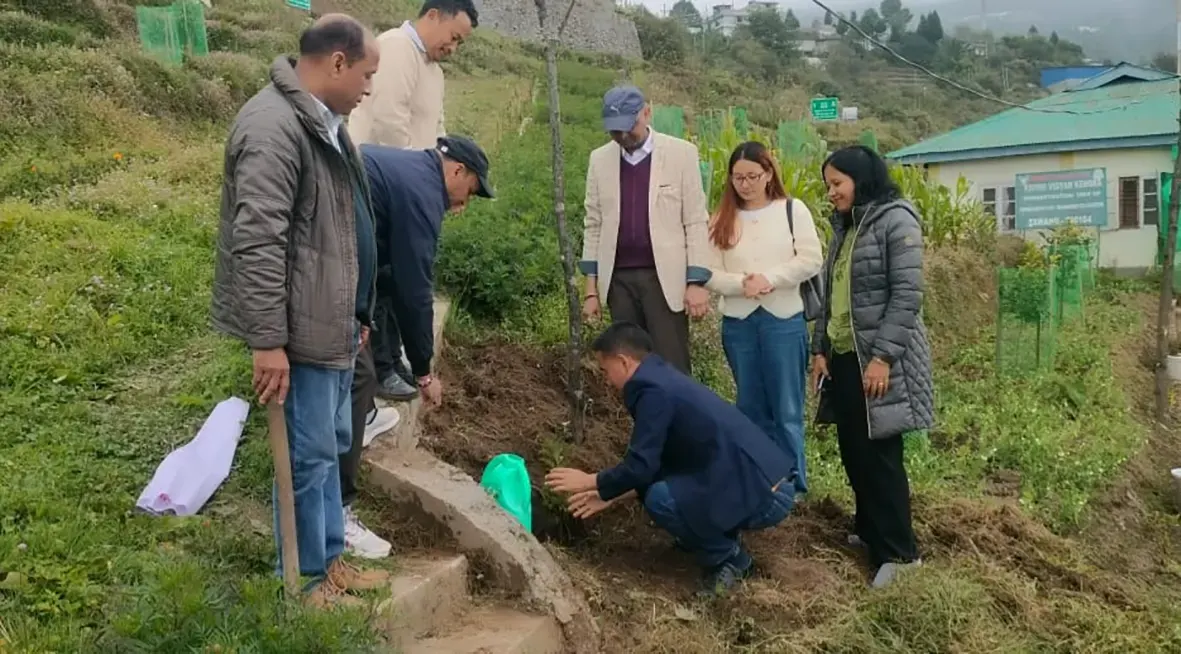
And in what can only be described as a fitting way to close an environment-focused programme, a plantation drive was organized under the “Ek Ped Maa Ke Naam” campaign — a national initiative asking people to plant a tree in their mother’s name. The gesture connected the day’s larger themes of care, legacy, and responsibility to the earth.
The Agriculture Development Officer from Jang was also present for the concluding session.
There’s something quietly powerful about what happened in Tawang over those five days. No grand policy announcements. No political theatre. Just scientists, officials, and 25 farmers sitting down together to talk about worms and compost and long-term soil health. It’s the kind of ground-level work that doesn’t make headlines easily — but it’s exactly the kind of work that actually changes things.
If Arunachal Pradesh’s agricultural future is going to look greener and more self-sufficient, it will be built on mornings like this one — in training halls in Tawang, where farmers are learning that the land, treated right, can provide far more than it takes.