
When student bodies have to walk into the Chief Minister’s office with ground reports about broken schools and failing classrooms, you know the situation has reached a tipping point.
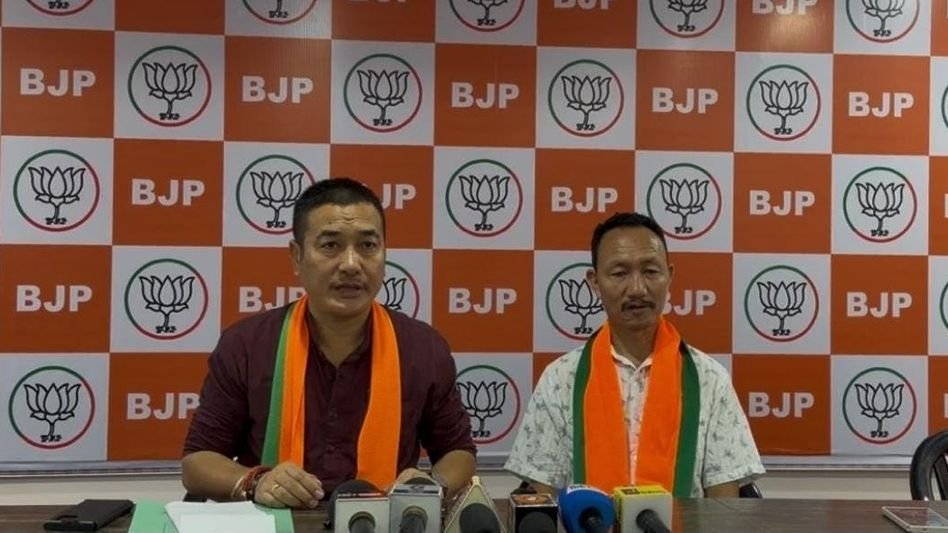
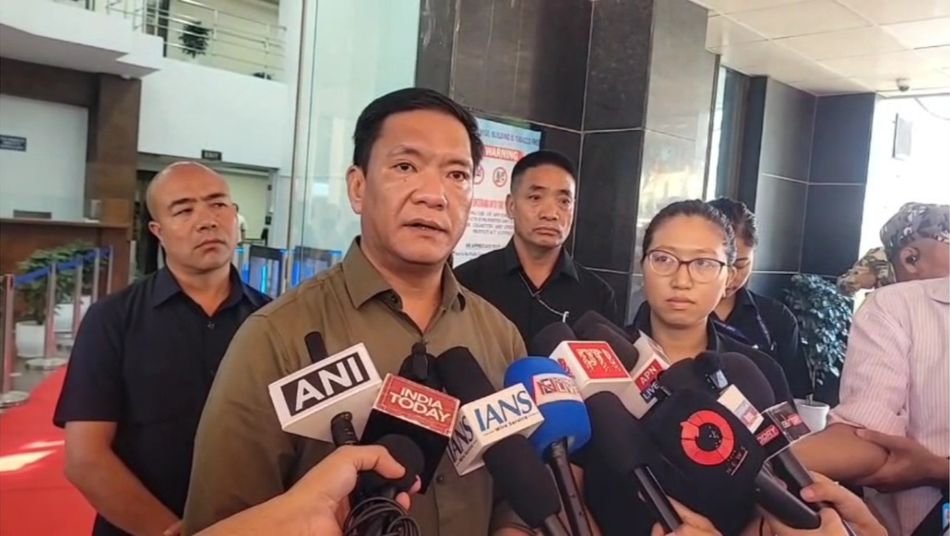
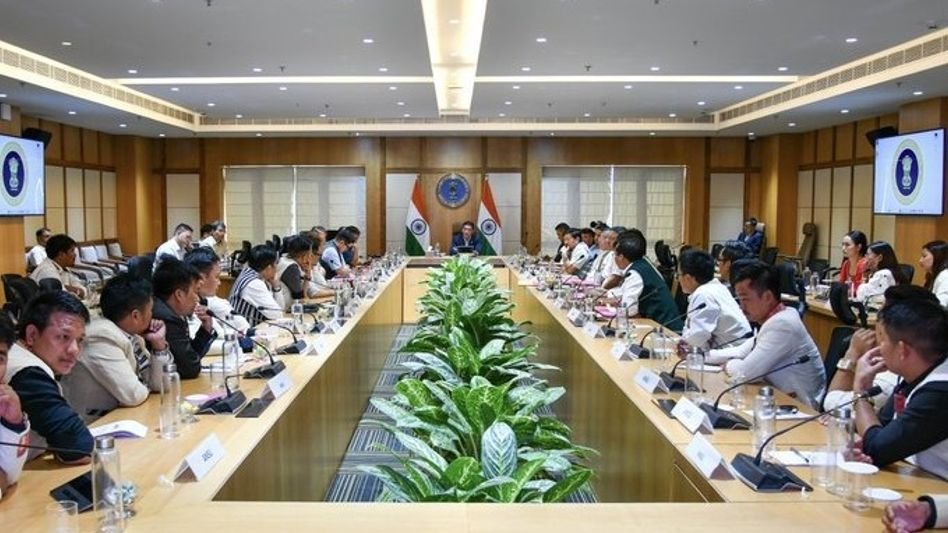
Arunachal Pradesh Chief Minister Pema Khandu on Friday met a delegation of the All Nyishi Students Union (ANSU), joined by legislators from the Nyishi community and members of the Nyishi Elite Society (NES), to hold what was a frank, much-needed conversation about the crumbling state of government schools across the state. The meeting did not happen in isolation — just days earlier, ANSU had announced a 48-hour bandh across seven Nyishi-inhabited districts, scheduled for September 28, over unresolved education demands. That announcement clearly rang alarm bells at the highest level.
The discussion was pointed and purposeful. ANSU placed before the Chief Minister its ground-level findings — real assessments of real schools, with real problems. Missing classrooms. Infrastructure that hasn’t kept up with growing student populations. A quality of education that parents in remote Nyishi areas simply cannot rely on. These weren’t abstract statistics. These were stories from communities where getting a child to school every morning already takes an act of faith.
CM Khandu, to his credit, listened. He acknowledged the work ANSU had done in documenting the conditions of educational institutions across the state and thanked the student body for choosing dialogue and constructive engagement over mere protest. It was a moment of rare alignment between a government and a civil society group that often find themselves on opposite sides.
Khandu’s message was clear — education is not the government’s burden alone to carry. He called it a shared responsibility, stressing that meaningful change in government schools would only come through collective effort involving the state, student representatives, and community stakeholders. Whether that sentiment translates into action on the ground is the real question.
What gives this meeting weight is its backdrop. The Nyishi community spans some of the most remote parts of Arunachal Pradesh, and the schools in those regions have long struggled with inadequate infrastructure, teacher shortages, and limited access to quality learning. When communities in these areas raise their voice, it carries the weight of years of neglect, not just a season of frustration.
The meeting wrapped up with a joint commitment — from all sides — to work towards a stronger education system and to ensure that children across Arunachal Pradesh, regardless of how far from Itanagar they live, get a fair shot at learning. Commitments like these have been made before. The difference this time may be that a 48-hour bandh was breathing down the government’s neck to follow through.
Whether the bandh goes ahead or is called off in response to this meeting will be the first test of how seriously both sides mean what they said on Friday. Either way, the children waiting in those classrooms can’t afford for this to become just another headline. They need new walls, trained teachers, and a government that checks back in — not just when a bandh is around the corner.