
There’s a river of unrest running through the Siang valley right now — and Arunachal Pradesh Chief Minister Pema Khandu appears to be walking straight into it.
Reports indicate that Khandu is likely to visit Siang, Upper Siang, and East Siang districts in the coming days to personally meet with local residents, village elders, civil society organisations, and community groups who have been raising increasingly loud voices against the proposed Siang Upper Multipurpose Project, popularly known as SUMP.
This isn’t just a routine government tour. The visit, if it happens, would mark one of the most direct political engagements on a project that has stirred deep emotions among the indigenous communities of the Siang belt.
The SUMP is no small matter. Envisioned as a mega hydropower and multipurpose infrastructure project on the Siang river, it has been at the center of debate for years. But the concerns have sharpened recently, with organisations like the Adi Bane Kebang (ABK) and its units demanding that Pre-Feasibility Report (PFR) survey activities be halted immediately. For many locals, the surveys themselves feel like the first nail being hammered — before they’ve even agreed to the house being built.
The ABK-U has been particularly vocal. Their position is clear: stop the surveys, stop the process. And that’s not a whisper — it’s a demand.
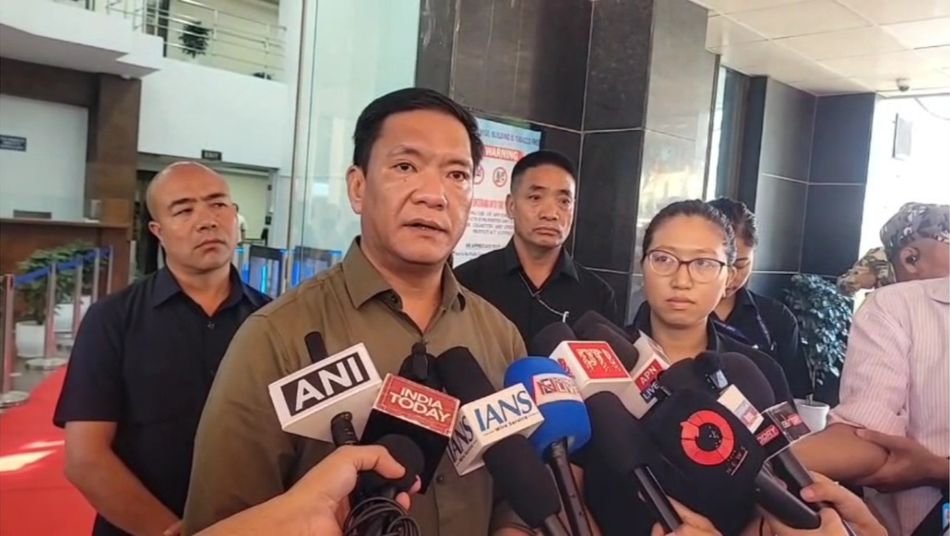
To his credit, Khandu has not dismissed those voices. He has stated publicly that the state government is open to dialogue, that no one is being forced into accepting the SUMP, and that consultations will continue. Those are encouraging words. But words, as the people of Siang know too well, need to be followed by action.
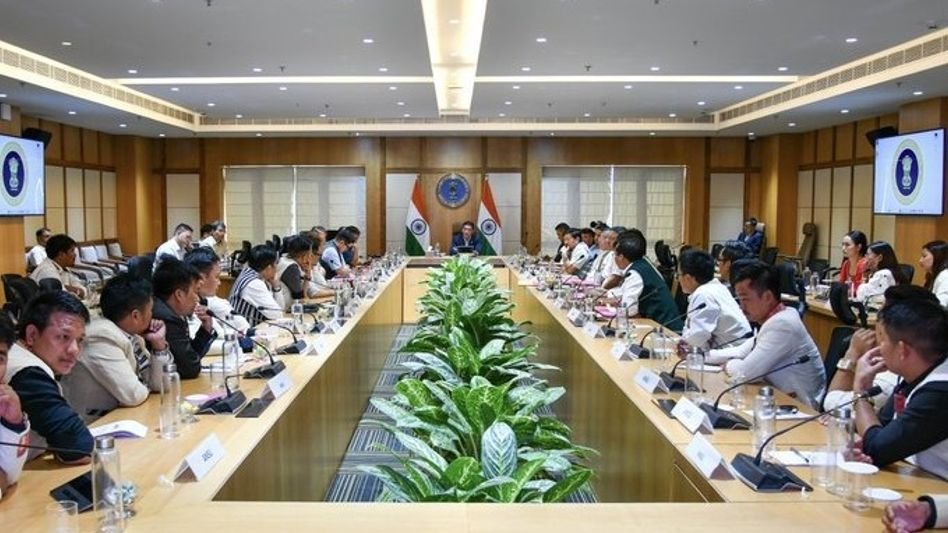
The Arunachal Pradesh Cabinet recently moved to constitute an Empowered High-Level Committee to guide and coordinate the PFR survey and facilitate engagement with communities in the Siang and Upper Siang areas. Whether that committee becomes a genuine bridge between the government and the people, or just another bureaucratic layer, remains to be seen.
What’s notable here is the political calculus. The Siang region is not just geographically significant — it is culturally and spiritually the homeland of the Adi community. Any project that touches the Siang river touches something far deeper than land records or displacement numbers. The river is identity. That’s something no feasibility report can quantify.
Khandu’s likely visit could either ease the tension or expose the fault lines more clearly. There’s a chance it ends with meaningful assurances and a structured community-consultation framework. There’s also a chance that communities feel the visit is too little, too late — a photo opportunity dressed up as concern.
The people of Siang have seen government promises come and go. They’ve watched project surveys begin on the promise that “no final decision has been made.” They know how these things tend to unfold.
If the Chief Minister does make that trip, the real measure of success won’t be the press conference at the end of it. It’ll be whether village elders, farmers, and the youth of the Siang valley feel genuinely heard — or whether they go back to their homes with the same unease they carried into the meeting.
A river doesn’t stop flowing because a dam is being planned. And neither does the resistance of a people who’ve decided to speak.