
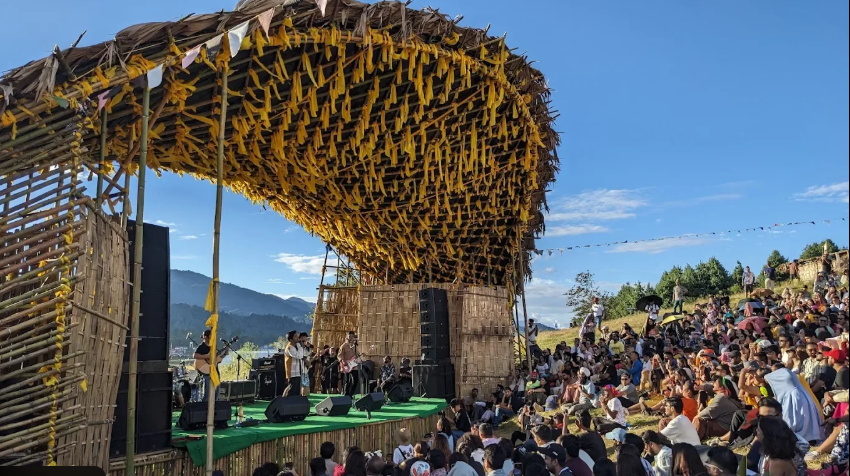


Ziro Valley is about to turn into one of India’s most talked-about meeting points for independent music, with the 13th Ziro Festival of Music scheduled from September 24 to 27 in Lower Subansiri district, Arunachal Pradesh. This year’s edition will feature 41 acts, bringing together performers from Northeast India, the rest of the country and several parts of the world.
The festival’s international line-up stretches across a striking range of sounds and cultures. Sri Lankan singer Yohani, Algerian guitarist Fati Teniri, Palestinian-French electronic producer Isam Elias, Nepal’s Phosphenes, Thailand’s GYMV, Filipino world-music collective Talahib and South Korean act Moher are among the announced performers. Artists connected to Ireland, Switzerland and South Africa are also part of the wider programme.
The Indian line-up is just as varied. Sukhbir, Sneha Khanwalkar, Midival Punditz, Shakthisree Gopalan, Shanka Tribe and Parikrama will perform, alongside artists including Bihari rapper Shikriwal, Kaali Duniya, Karan Kanchan, Swara Oza, classical musician Sarwar Hussain and violinist Apoorv Krishna.
One of the most noticeable features of the 2026 edition is the continued spotlight on musicians from Northeast India. Tripura’s Sukesh Suklabadya, Manipur’s Chingleipak Collective and Yelhomie, Sikkim’s Tribal Rain, Nagaland’s Temsu Clover, Mizoram’s Mood Station, Assam’s Novo and Arunachal Pradesh’s David Angu are among the regional names on the programme.
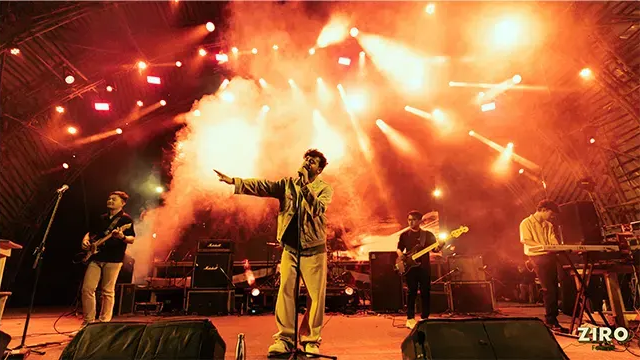
The festival is also making room for a different kind of musical encounter. For the first time, organisers will introduce “Cosmos”, an informal space for spontaneous jams, artist interactions and unscripted performances. Rather than keeping artists and audiences separated by a conventional stage format, the idea is to create a more immediate setting for musical exchange.
Another major feature is the final chapter of Circuit Mixers, an international artist-exchange programme supported by the Swiss Arts Council Pro Helvetia. The 2026 chapter will include Zequenx from India, Naledi Chai from South Africa, and Lua Jungck and Owelle from Switzerland, following earlier residencies in Johannesburg and Montreux.
Ireland will also make its debut connection with the festival through folk band Saltaire, which will take part in a cultural residency featuring workshops and collaborations with local musicians. The partnership is supported by Culture Ireland and the Embassy of Ireland in New Delhi.
But music is only one part of the Ziro experience. The programme will showcase traditions of the host Apatani community, including the Daminda harvest dance, presentations by the Apatani Women’s Association Ziro and workshops on traditional paddy flute, or Elu, making and Apatani pottery. The festival says sustainability, community participation and locally sourced bamboo infrastructure remain central to its identity.
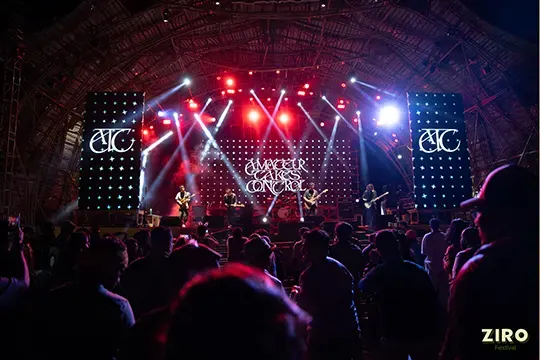
Founded in 2012, Ziro Festival has grown around the idea of bringing independent artists and audiences together while placing local culture and the landscape at the centre of the experience.
With the mountains and valley providing the backdrop, the 2026 edition is built around a simple idea: music can become a meeting point between communities, countries and generations. For four days, Ziro will be more than a concert venue. It will be a place where different musical worlds share the same valley — and where the final note may not be the end of the story.