
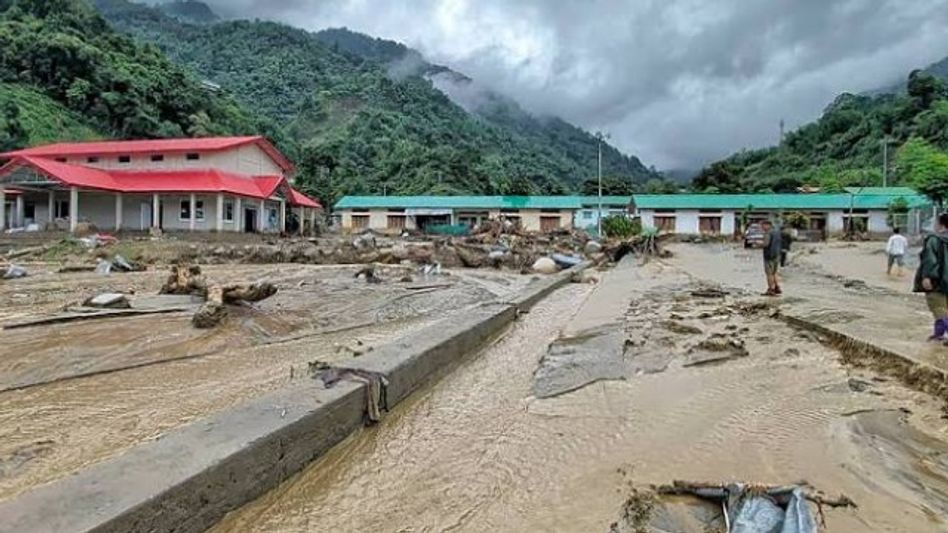
When the rains came this monsoon, they didn’t just bring floods — they brought a harsh reality check. And now, Arunachal Pradesh is responding with a plan that’s hard to ignore.
A Promise Made on Independence Day
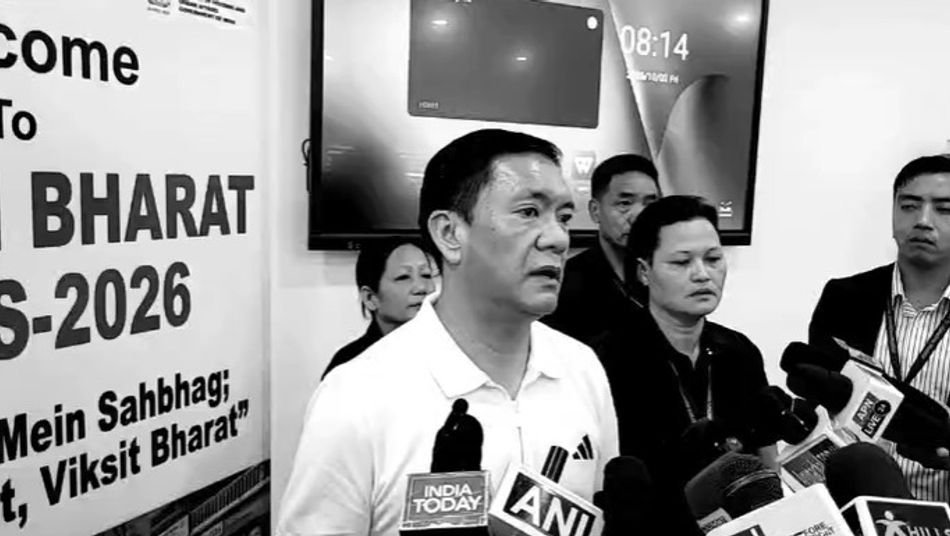
Chief Minister Pema Khandu chose August 15 — Independence Day — to announce one of the most ambitious infrastructure packages the state has seen in years. Speaking after hoisting the national flag at Indira Gandhi Park in Itanagar, Khandu revealed that the state government has approved a massive Rs 7,834 crore investment in roads, rural connectivity and power infrastructure, to be rolled out between 2026 and 2029. The timing wasn’t accidental. After weeks of floods and landslides that battered Arunachal Pradesh, Assam and Nagaland, the message from the top was clear: the state cannot afford to keep rebuilding the same broken infrastructure over and over again. “Our resolve is firm and our direction is clear: in the years ahead, every community of Arunachal Pradesh will be supported with safer, stronger, and more resilient infrastructure,” Khandu said.
Where the Money Goes
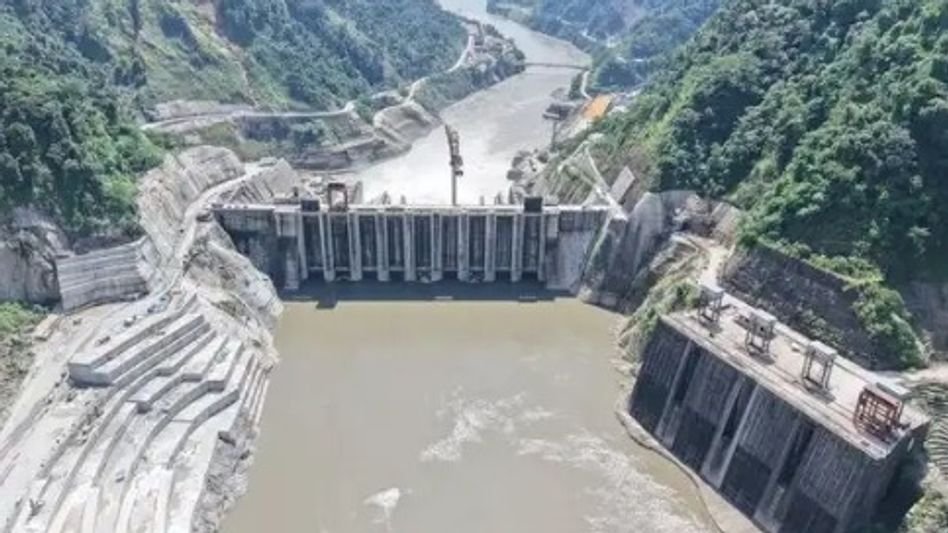
The breakdown of the Rs 7,834 crore is where it gets interesting. Rs 2,334 crore will go into the second phase of the CM’s Comprehensive State Road Development Plan, targeting upgrades in district headquarters, townships and the Capital Complex. Another Rs 2,000 crore has been earmarked for rural road connectivity — all-weather roads for habitations that still lack proper links — and a further Rs 2,000 crore for modernising power infrastructure. That’s a lot of money for a state where getting from one village to the next can still mean hours on unpaved mountain tracks. Anyone who’s travelled through interior Arunachal knows exactly why this matters.
The Disaster Behind the Decision
The Centre released Rs 44.55 crore under the State Disaster Response Fund as an advance, and an inter-ministerial central team has been deputed to assess the damage. Khandu didn’t shy away from acknowledging what the floods exposed — gaps in weather-resilient public infrastructure that have existed for years. He called for future-ready disaster management strategies and better coordination between communities and public representatives on mitigation plans. Saying the quiet part loud, really.
Protecting What Makes Arunachal, Arunachal
The CM also touched on something beyond roads and power lines. Four high-powered committees have been constituted to examine APST safeguards, the Inner Line Permit framework, illegal infiltration and other matters concerning indigenous communities. Development, he stressed, would move forward through community dialogue while respecting sacred sites, customary practices and indigenous identity. He also highlighted that more than 1.5 lakh women are organised into over 16,000 self-help groups, and nearly 46% of startups in the state are led by women — a quiet but significant story of ground-level transformation.
With Arunachal approaching 50 years of statehood and the “Viksit Arunachal 2047” vision guiding the road ahead, this Rs 7,834 crore push isn’t just about fixing what the floods broke — it’s about finally building what should have been there all along.
#ArunachalPradesh #PemaKhandu #ArunachalFloods #InfrastructureDevelopment #NortheastIndia #IndependenceDay2026 #RuralConnectivity #FloodRelief #ViksitArunachal2047 #ArunachalRoads #DisasterManagement #SDRF #IndigenousCommunities #ILP #WomenEmpowerment #NortheastDevelopment #ArunachalNews #AbotaniTV #Landslides2026 #BuildBackBetter