
A decades-old recruitment arrangement just got buried — and the implications for job seekers across Arunachal Pradesh are massive.
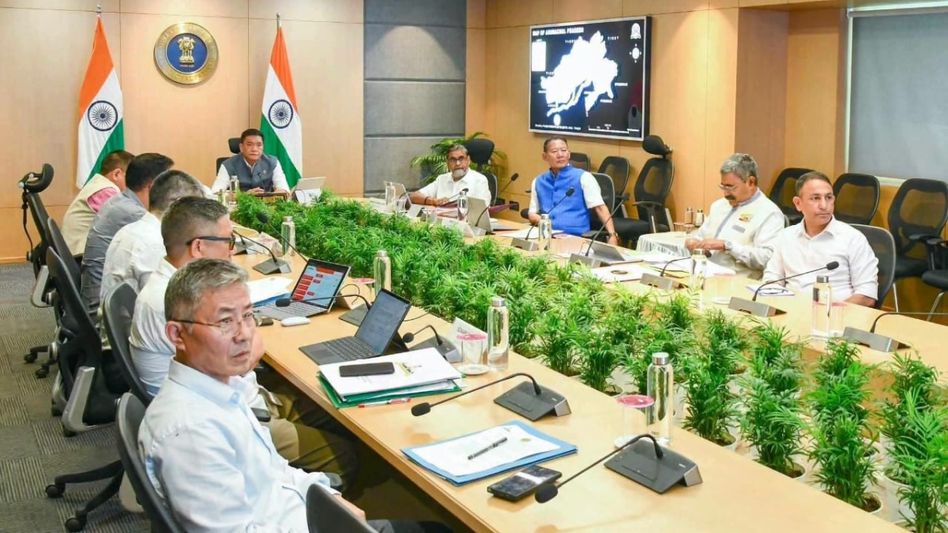
The Arunachal Pradesh Cabinet has officially scrapped the 80:20 reservation arrangement in state government recruitment, replacing it with a tighter, identity-rooted eligibility framework. The decision, taken on August 13, comes on the back of recommendations submitted by the High Power Committee (HPC) on recruitment eligibility criteria — and it signals a clear shift in how the state government views the question of who gets to serve in its ranks.
What the Old System Looked Like — and Why It’s Gone
The 80:20 arrangement had been the operating formula for government job reservations in the state for quite some time. Under that system, 80 percent of posts were reserved for Arunachal Pradesh Scheduled Tribe (APST) candidates, while the remaining 20 percent were open to others. It wasn’t a perfect system — and debates around it never really went away. The High Power Committee was tasked with reviewing this framework, and its recommendations have now been accepted lock, stock and barrel by the Cabinet.
APST, PRC, and Local Dialect: The New Holy Trinity
Under the revised rules, candidates applying for government posts must hold a valid APST certificate or a Permanent Resident Certificate (PRC). That’s not all — proficiency in the local dialect has been made a compulsory eligibility criterion too. This is a significant addition. It’s one thing to produce a document proving your roots; it’s another to actually speak the language of the land you’re claiming to belong to. The state seems to be drawing a harder line between paperwork and lived identity.
Reading the Politics Behind the Policy
Let’s be honest — this move isn’t happening in a vacuum. Questions around outsiders cornering government jobs, the integrity of APST certificates, and the protection of indigenous communities’ rights have been simmering in Arunachal for years. This Cabinet decision feels like a direct response to that pressure. Whether it fully resolves those concerns is a different conversation, but the intent is unmistakable: the state wants its public sector workforce to genuinely reflect its indigenous population.
What Comes Next
The Cabinet’s decision is expected to reshape future recruitment cycles across departments. Job aspirants — particularly those who don’t hold APST or PRC documentation — will need to reckon with these new ground rules. For tribal youth who’ve long felt that the system didn’t adequately protect their share of opportunities, this is a moment of real consequence.
The question now is implementation. Decisions taken in Cabinet rooms look clean on paper. Making them work on the ground, consistently and without loopholes, is where the real test will come. Arunachal Pradesh has taken a definitive step. The harder journey starts here.
HASHTAGS
#ArunachalPradesh #CabinetDecision #8020Reservation #GovernmentJobs #APSTCertificate #PRC #LocalDialect #HighPowerCommittee #ArunachalNews #TribalRights #NortheastIndia #RecruitmentPolicy #IndigenousRights #PemaKhandu #StateGovernment #ArunachalCabinet #GovtJobsArunachal #ReservationReform #AbotaniTV #NortheastNews