
Every year the rains come. And every year, Arunachal’s NH-13 pays the price.
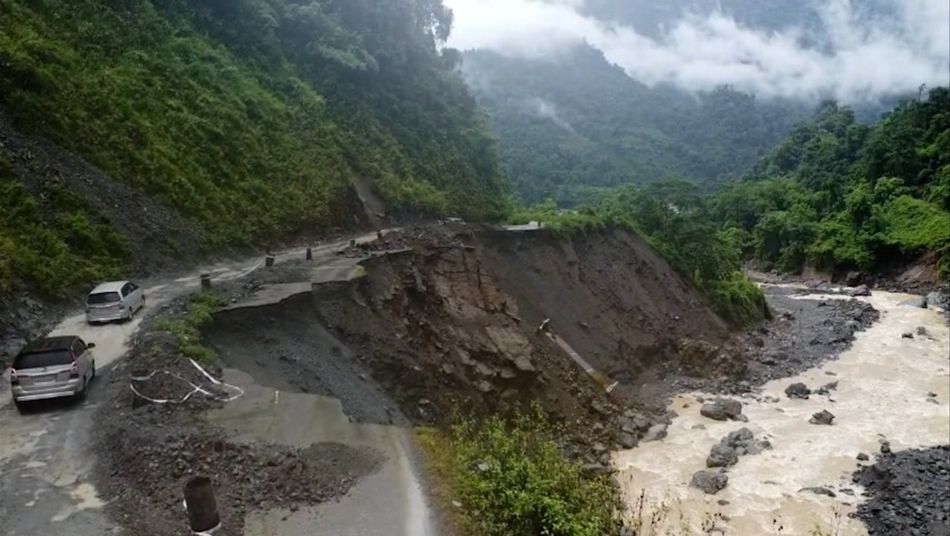
The Pasighat–Pangin stretch of National Highway-13 in Arunachal Pradesh’s Siang district has been reduced to a battered dirt scar this monsoon season, with back-to-back landslides swallowing chunks of the road and leaving thousands of residents stranded, anxious, and angry. This isn’t a new problem. But the scale of damage this time around has pushed locals beyond patience.
The Highway That Keeps Disappearing
The most recent and severe blockages have been reported at Km 42 near Rottung and at Lelek Point in Kebang circle, where massive landslides didn’t just block the road — they washed entire sections of it away. NH-13 isn’t just any road. It’s the strategic lifeline connecting the Indo-China border areas in Shi Yomi and Upper Subansiri districts. When this highway goes down, it’s not just an inconvenience — it’s a security concern, a supply chain crisis, and a humanitarian problem all rolled into one.
Machinery In, Progress Out
The East Siang district administration has moved fast, deploying heavy earth-moving machinery to clear the debris and restore access. Credit where it’s due — the response hasn’t been absent. But unstable slopes and relentless rainfall have made restoration feel like filling a bucket with a hole in it. The road keeps getting cleared. The rain keeps bringing it back down. As of now, the highway is being opened intermittently — and only for Light Motor Vehicles when conditions barely permit. Trucks, ambulances, and heavy supply vehicles? Still waiting.
“Where Are the Warning Signs?”
What’s really getting under people’s skin isn’t just the road damage — it’s the silence before the slides. Residents have raised serious concerns about the near-total absence of proper safety signages along landslide-prone stretches of the highway. No flashing warnings. No hazard markers. Commuters travelling through some of the most geologically unstable terrain in the Northeast are essentially going in blind. That’s not just bad infrastructure planning — that’s a risk to human lives, and people here know it.
Rivers Recede, But the Worry Doesn’t
There is at least one silver lining to report. The water levels of the Siang and Sibokorong rivers have dipped below the danger mark for now, and authorities say the situation is being closely monitored. But with the monsoon still very much in play, no one’s exhaling just yet. River levels can surge in hours. And in a district where the river, the mountain, and the highway all share the same dangerous space, that’s not a comfort — it’s a countdown.
NH-13 has been failing its people season after season. Deploying machines to clear slides is a patch. What this region desperately needs is a serious, long-term commitment to slope protection, drainage engineering, and early warning systems — before the next cloud opens up and the mountain decides to move again.
HASHTAGS
#NH13 #ArunachalPradesh #Landslide #Monsoon2026 #SiangDistrict #PasighatPangin #BorderHighway #IndoChinaBorder #EastSiang #RoadBlockage #ArunachalNews #NortheastIndia #HighwayDamage #MonsoonDestruction #AbotaniTV #RoadCrisis #BorderRoad #ArunachalRoads #LandslideAlert #InfrastructureFail