When the government runs a massive electoral exercise across remote mountain terrain, who’s watching? In Arunachal Pradesh, the students are.
AAPSU Takes Charge
The All Arunachal Pradesh Students’ Union (AAPSU) has constituted an 8-member committee to study, oversee, and monitor the Special Intensive Revision (SIR) of electoral rolls being conducted by the Election Commission of India (ECI) across the state. The committee, headed by Nabam Gandhi — the union’s Vice President for protocol — will also liaise with district students’ unions, local stakeholders, and authorities to facilitate smooth implementation of the exercise. It’s a significant step. Not every state sees its student body mobilise this quickly around an election issue.
What the SIR Actually Means
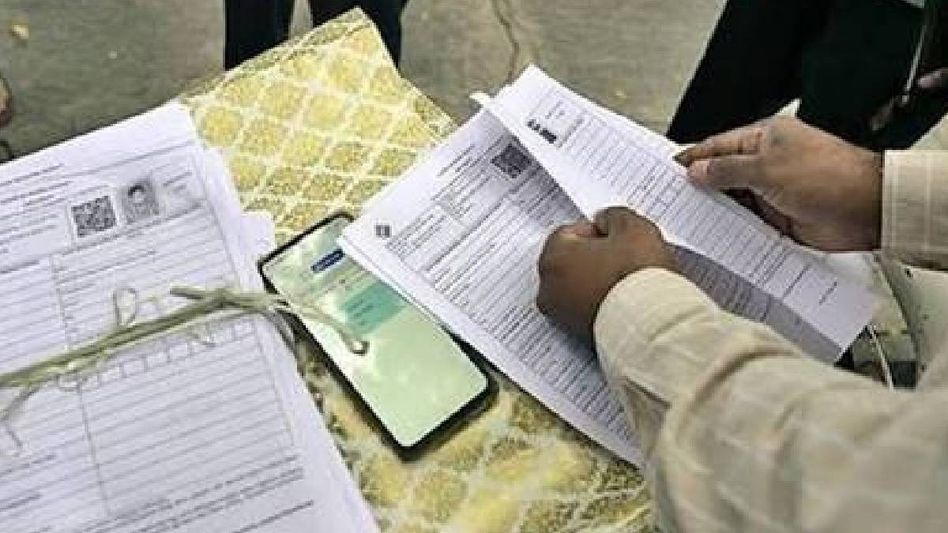
For the uninitiated, the SIR is not a small operation. Arunachal Pradesh currently has over 8.87 lakh registered electors, and the exercise involves house-to-house visits by Booth Level Officers (BLOs) to verify and update voter records across every constituency in the state. The idea is simple — make sure the dead are removed, the living are counted, and no genuine voter gets quietly dropped. The draft electoral roll is set to be published on July 21, with a window for filing claims and objections open until August 20, before the final roll is published on September 22, 2026.
Why Arunachal Needs Special Attention
This is where things get real. Arunachal isn’t flat, it isn’t well-connected, and it certainly isn’t easy to do a door-to-door survey in. The union pointed out that the state, owing to its unique terrain and dispersed habitations, faces significant geographical, logistical, and administrative challenges in the implementation of such an extensive exercise — and that this makes close observation and constructive public participation absolutely necessary. Missing a voter in Lohit isn’t the same as missing one in Delhi. Up here, the consequences run deep.
The Union’s Clear Mandate
AAPSU president Meje Taku didn’t mince words. He stressed that the SIR, which involves house-to-house enumeration, pre-filled enumeration forms, and verification of existing voter records, must be carried out in a fair, transparent, and inclusive manner — so that no eligible citizen is inadvertently excluded and the democratic and constitutional rights of every bona fide voter are protected. The committee has also been directed to identify procedural anomalies and flag them to competent authorities. Critically, all committee members must consult with the AAPSU president and obtain prior approval before finalising any decision or recommendation — which suggests this isn’t a symbolic gesture. There’s real accountability being built in here.
What Comes Next
The clock is ticking. With the draft roll dropping on July 21 and a limited objection window that follows, the committee has very little time to get organised and effective. If they do their job right, thousands of eligible voters across the state stand a better chance of actually making it onto the list. That’s not a small thing. In a state where democracy literally navigates mountain passes, having a vigilant student body asking hard questions might just be the most important civic act of the season.
HASHTAGS:-
#AAPSU #ArunachalPradesh #ElectoralRoll #SIR2026 #VoterList #ECI #ElectionCommission #Itanagar #NortheastIndia #ArunachalNews #StudentUnion #VoterRights #SpecialIntensiveRevision #MejeTaku #NabamGandhi #ArunachalElection #DemocracyInAction #VoterRegistration #AbotaniTV #ArunachalPolitics