
Every monsoon, the same story plays out across the hills of Arunachal Pradesh. Roads crack open. Potholes swallow tyres whole. And ordinary people — the ones who have no choice but to travel these highways daily — are left to deal with the consequences while officials stay quiet. This year, the situation on NH-515 and NH-13 has pushed residents to their limit.
A Lifeline in Tatters
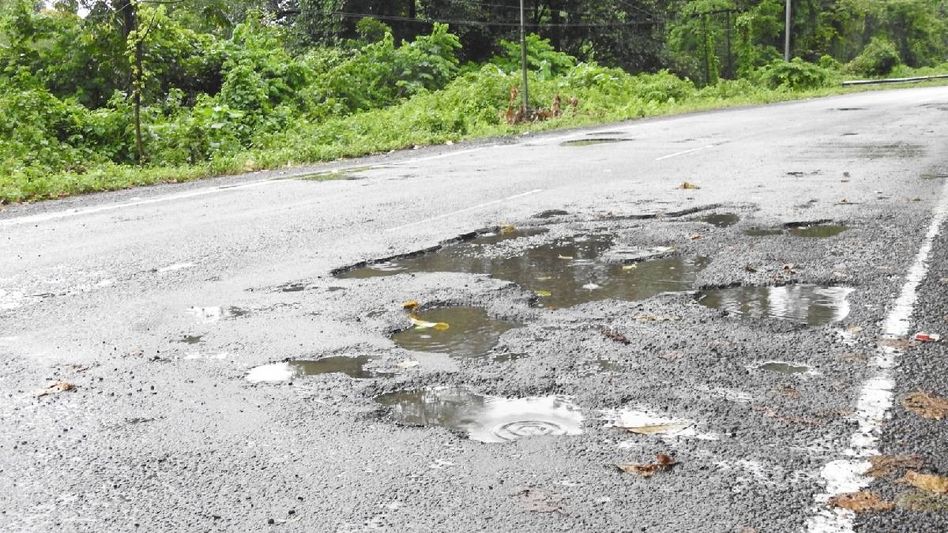
The deteriorating condition of key stretches of National Highway-515 and National Highway-13 in Arunachal Pradesh has become a serious concern for commuters, transport operators and residents, with damaged road surfaces, deep potholes and eroded stretches severely affecting connectivity across the region. These roads form part of the Trans Arunachal Highway network, connecting several districts of central and eastern Arunachal Pradesh with neighbouring Assam — serving as vital corridors for passengers, goods and essential services. That’s not just inconvenience. That’s people struggling to reach hospitals, schools and markets on roads that should never have been allowed to get this bad.
Which Stretches Are the Worst?
The NH-515 stretch connecting Jonai in Assam to Pasighat via Ruksin, Sille, Oyan, Rani and 7 Mile has witnessed extensive deterioration, making travel increasingly hazardous. The highway is a key route linking East Siang, Siang, Upper Siang, West Siang and Shi-Yomi districts, besides providing connectivity to Lower Dibang Valley, Dibang Valley, Namsai and Lohit districts. NH-13 beyond Raneghat Bridge towards Mebo, Dambuk and Roing has also worsened considerably, with the Raneghat-Ayeng-Mebo section riddled with deep potholes and eroded road surfaces. Stretches near Ayeng village, Siku Bridge and Mebo Char-ali are reportedly in a severely deteriorated state.
The BRO-to-PWD Transfer That Nobody Wanted
Here’s where the story gets political. The present situation follows the transfer of these highway stretches from the Border Roads Organisation to the Arunachal Pradesh Public Works Department by the Ministry of Road Transport and Highways during the 2015-16 financial year. Members of the Pasighat-Bomjir NH-52 Bachao Committee had opposed the move at the time, arguing that the state PWD would face difficulties maintaining these strategically important highways. Memorandums were submitted. Warnings were raised. Nobody listened. And now residents are watching those exact fears come true, a decade later.
Band-Aid Fixes Aren’t Working
Although limited patchwork repairs were reportedly carried out near the 7 Mile Bridge at Rani village and the Raneghat Bridge following complaints last year, commuters say the repairs were temporary and failed to address the broader deterioration of the highway network. Fresh potholes have already developed in some of the repaired sections. Slapping tar over a broken road and calling it fixed isn’t maintenance — it’s a delay tactic. People on the ground know the difference.
More Than Just a Road Problem
Residents and commuters have sought immediate intervention from the state PWD Highway Division and the National Highways & Infrastructure Development Corporation Ltd. (NHIDCL), urging them to undertake comprehensive maintenance and restoration. Besides affecting civilian movement and economic activities, these highways are also strategically important as they serve as key routes for the movement of security forces towards areas along the Line of Actual Control. When a road is too broken for civilians to safely travel, it’s too broken for the country’s defence needs too. Urgent, long-term repair isn’t an option — it’s a necessity.
— Naitik Abotani TV
─────────────────────────────
#ArunachalPradesh #NH515 #NH13 #PotholeAlert #TransArunachalHighway #RoadSafety #Pasighat #Mebo #ArunachalNews #AbotaniTV #BrokenRoads #PWDArunachal #NHIDCL #EastSiang #HighwayRepair #LACRoads #NortheastIndia #ArunachalPWD #IndiaRoads #RoadCrisis