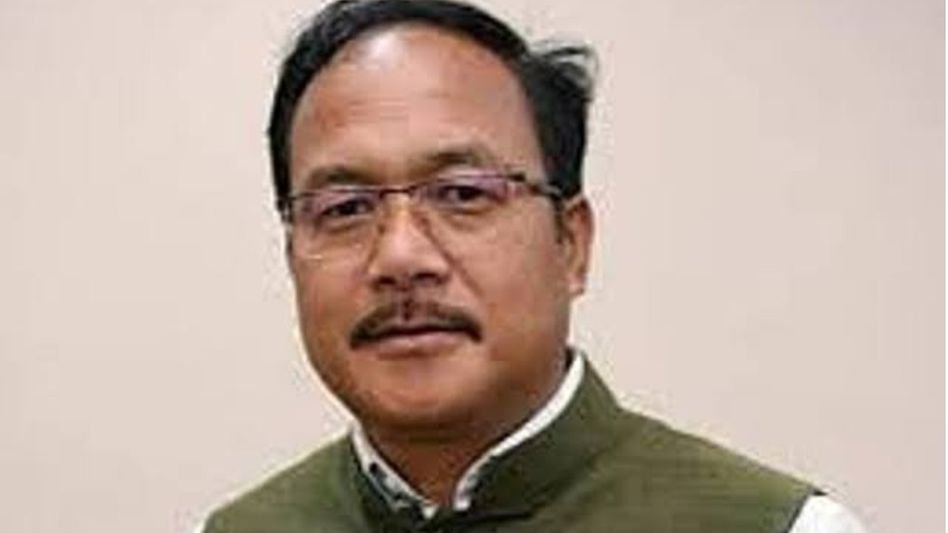


When a government minister says a dog bite could trigger a public health emergency, you sit up and pay attention. That’s exactly what happened in Itanagar on July 6, when Arunachal Pradesh’s Animal Husbandry, Veterinary and Dairy Development Minister Gabriel D. Wangsu stepped up to mark World Zoonoses Day — and didn’t mince his words about what’s at stake.
One Health, One Mission
Addressing the state-level observance of the day, Minister Wangsu made a case that’s hard to argue with: human health, animal health, and environmental health are all tied together. You can’t fix one without dealing with the others. He called for every piece of the puzzle — government departments, healthcare professionals, local bodies, and ordinary citizens — to get on the same page and strengthen what experts call the “One Health” approach to stopping zoonotic diseases before they spiral out of control.
The numbers he cited were stark. Nearly 60 per cent of infectious diseases affecting humans have their roots in animals. Around 75 per cent of emerging infectious diseases come from an animal source. And if COVID-19 taught the world anything, it was that waiting for a crisis to hit before coordinating a response is a luxury no state can afford.
New Centres, Fresh Push
Beyond the speeches, the day saw real action on the ground. Wangsu inaugurated an Animal Birth Control (ABC) Centre at Ganga in Itanagar, aimed at scientific management of stray animals, rabies prevention, and animal welfare. He also virtually launched a similar facility at Namsai — extending these services to eastern Arunachal Pradesh, where access to such infrastructure has historically been limited. It was a practical step forward, not just optics. The minister also released Information, Education and Communication materials and flagged off a week-long anti-rabies vaccination drive across the state.
A Pledge for Responsible Pet Ownership
One moment that stood out was when Wangsu administered a public pledge on responsible pet ownership. Vaccinate your pets annually. Don’t abandon animals. Report unusual illnesses in livestock immediately. Seek medical attention after any animal bite without delay. Simple things — but the kind of ground-level behavior change that actually prevents outbreaks from happening. The minister took a moment to acknowledge the often-unsung heroes in this space too: veterinarians, para-veterinary staff, and field workers whose daily work in surveillance, vaccination, and food safety keeps both animals and people safer.
History Worth Remembering
There was a historical note woven into the day as well. World Zoonoses Day marks July 6, 1885 — the date Louis Pasteur successfully administered the world’s first rabies vaccine. Over 140 years later, Arunachal Pradesh’s government is pushing to make rabies history in its own backyard. Wangsu was clear: no government campaign alone can get there. Sustained community participation is the only path forward.
Diseases that jump from animals to humans aren’t a future risk. They’re a present reality. And in a state like Arunachal Pradesh — with vast forests, diverse wildlife, and close human-animal contact in many communities — the urgency of what Minister Wangsu said cannot be overstated. The question now is whether the awareness translates into action.
— Naitik
Abotani TV
─────────────────────────────
#ArunachalPradesh #ZoonoticDiseases #WorldZoonosesDay #OneHealth #GabrielWangsu #RabiesPrevention #AnimalHealth #PublicHealth #Itanagar #Namsai #AnimalBirthControl #AntiRabies #ArunachalNews #NortheastIndia #AbotaniTV #HealthAwareness #ZoonoseDay2026 #PetVaccination #AnimalWelfare #NortheastNews