
Learning how to negotiate medical bills down without insurance knowledge sounds intimidating — the bills are confusing, the terminology is opaque, and the amounts can be staggering. But here is something most people never learn: the number printed on a medical bill is often a starting point, not a final price. Hospitals and providers routinely reduce bills for patients who ask, offer discounts to people paying on their own, and run financial assistance programs most patients never hear about. You do not need to understand insurance jargon to use any of these strategies. You just need a calm, organized approach.
First: Understand That the Bill Is Not a Fixed Price
Hospitals maintain a master price list — sometimes called a chargemaster — that sets the billed amount for every service. These list prices are often far higher than what anyone actually pays. Insurance companies negotiate lower rates, and government programs pay set amounts. When you receive a bill as a self-pay patient, you are typically being charged the full list price, which means there is often significant room to negotiate downward. Simply knowing this changes the dynamic: you are not begging for a favor, you are asking to pay a fairer price.
Step 1: Do Not Pay Immediately — Request an Itemized Statement
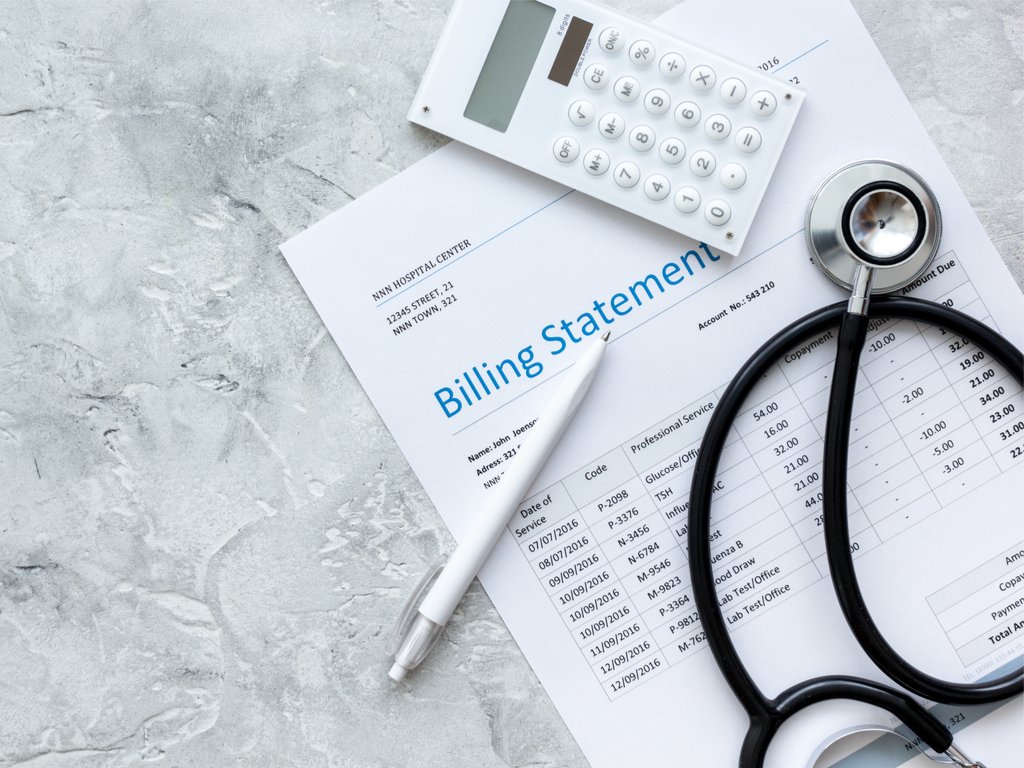
The first bill you receive is usually a summary, not a detailed breakdown. Before paying anything, call the number on the bill and request a fully itemized statement showing every charge, procedure code, and date of service. This is standard practice and your right as a patient. The itemized bill is the foundation of everything that follows — you cannot spot errors or negotiate specific charges without it. Take your time here; paying quickly can actually make it harder to get reductions later, because providers have less incentive to adjust a bill that is already settled.
Step 2: Audit the Bill for Errors
Medical billing is notoriously error-prone. Studies of hospital bills regularly find mistakes, and they almost always favor the provider. When your itemized statement arrives, check for:
- Duplicate charges. The same procedure or medication billed twice.
- Services you did not receive. Charges for tests, medications, or procedures that never happened.
- Wrong dates or patient information. A surprisingly common source of phantom charges.
- Upcoding. Being billed for a more expensive version of a service than you received — for example, a complex exam code when you had a brief visit.
- Unbundling. Related services billed separately at higher total cost when they should have been billed as one package.
- Incorrect quantities. Being charged for ten units of a medication when you received two.
Compare the bill against your own records: appointment dates, discharge paperwork, and any notes you took. If anything looks wrong, note it — disputed charges are often removed or corrected without much resistance once flagged.
Step 3: Research What the Care Actually Costs
You do not need insurance expertise to look up fair prices. Free public tools publish typical prices for common procedures in your area — search for terms like “healthcare price comparison” or “fair price for [procedure].” Knowing the typical range gives you a factual anchor for the conversation: “I see the typical cost for this procedure in this area is around X, while I was billed Y.” This is informational research, not a negotiation tactic from a textbook — it simply helps you recognize when a charge is wildly out of line and gives you confidence when you call.
Step 4: Call the Billing Department
This is the step most people skip, and it is the most important one. Billing departments negotiate bills every single day — it is a normal part of their job. A few guidelines for the call:
- Be polite and calm. The representative did not set the prices. Kindness gets results; frustration gets transferred.
- Explain your situation briefly. You are paying on your own, without insurance coverage for this bill, and the amount is a hardship.
- Ask about self-pay or uninsured discounts. Many providers automatically offer a percentage reduction to patients without insurance — but often only if you ask.
- Ask whether the bill can be reviewed. Phrases like “Is there any flexibility on this amount?” or “Can this be reduced?” are enough to start the conversation.
- Get everything in writing. If they agree to a reduction or a plan, ask for written confirmation before you pay anything.
- Take notes. Record the date, the representative’s name, and what was agreed.
If the first representative cannot help, politely ask to speak with a supervisor or the financial counselor’s office. Escalation is normal and expected.
Step 5: Ask About Financial Assistance Programs
Most nonprofit hospitals are required to maintain financial assistance (sometimes called charity care) policies, and many for-profit facilities offer similar programs voluntarily. These programs can reduce or even eliminate bills for patients below certain income levels — and the thresholds are often more generous than people expect. Ask the billing department or financial counselor for a financial assistance application. There is usually a simple form asking about income and household size. Apply even if you are unsure you qualify; the worst outcome is a no, and many people who assume they earn too much are surprised.
Step 6: Set Up a Payment Plan You Can Actually Afford
If the balance cannot be reduced enough to pay at once, ask about an interest-free payment plan. Most providers offer them, and the monthly amounts are often negotiable. Key points:
- Ask specifically whether the plan charges interest — many hospital plans do not.
- Propose a monthly amount that fits your budget rather than accepting the first number offered.
- Get the terms in writing: amount, schedule, and confirmation that the account will not be sent to collections while you are paying as agreed.
- Keep paying on schedule. A missed payment can void the arrangement.
A manageable payment plan you stick to is far better than a large balance you cannot pay. If money is tight overall, our guide to building an emergency fund on a tight budget and biweekly budgeting method can help you find room in your budget for medical payments alongside everything else.
Step 7: Dispute Errors in Writing
For any charge you believe is wrong, submit a written dispute to the billing department — email or a letter, not just a phone call. Include your account number, the specific charge, and why you believe it is incorrect, along with any supporting documents (discharge papers, appointment confirmations). Written disputes create a paper trail and typically trigger a formal review. Keep copies of everything you send. If a charge is clearly erroneous, providers will usually correct it rather than defend it.
Know Your Basic Rights
You do not need insurance knowledge to benefit from standard patient protections:
- You can request an itemized bill. Providers must supply one when asked.
- You can dispute charges. Billing errors can be formally contested, and providers must review disputes.
- Surprise billing protections exist. Federal law limits what patients can be charged in certain out-of-network emergency situations. If you received an unexpected bill after emergency care, it is worth asking whether these protections apply to your situation.
- Collection rules apply. Medical debt is subject to consumer protection rules, including limits on how and when collectors may contact you, and nonprofit hospitals must follow specific procedures before sending bills to collections.
- You can ask for everything in writing. Any agreement, discount, or payment plan should be documented.
These are general information points, not legal advice — if your situation is complex, a nonprofit patient advocate or consumer protection office in your state can explain your options.
Mistakes to Avoid
- Ignoring the bill. Unpaid medical bills can eventually reach collections and damage your credit. Engaging early gives you the most options.
- Paying the first bill without review. The summary bill is the worst version of the bill to pay — always get the itemized version first.
- Putting a large medical bill on a high-interest credit card. An interest-free provider payment plan is almost always cheaper than credit card interest.
- Accepting verbal promises. If a discount or plan is not in writing, it effectively does not exist. Always confirm in writing before paying.
- Assuming you do not qualify for assistance. Financial assistance thresholds vary widely — apply and let the program decide.
- Talking to collectors before the provider. Always try to resolve things with the billing department first; once a bill goes to collections, your leverage shrinks.
Frequently Asked Questions
Can I really negotiate a hospital bill down?
Yes. Providers negotiate bills routinely — self-pay discounts, financial assistance, and payment plans are standard parts of hospital billing operations, not special favors. Asking is normal.
Will negotiating hurt my credit score?
Negotiating itself does not affect your credit. What can hurt is ignoring a bill until it goes to collections. Engaging with the billing department early and setting up a plan is the credit-safe path.
What if I cannot afford any payment at all right now?
Ask about financial assistance or charity care programs, which can reduce or eliminate the bill based on income. You can also ask whether the account can be placed on hold while your application is reviewed.
How long do I have before a bill goes to collections?
Timelines vary by provider, but nonprofit hospitals typically must wait a set period and make reasonable efforts to offer assistance before sending a bill to collections. Ask the billing department about their specific timeline — and get any payment arrangement in writing to pause the clock.
Should I hire someone to negotiate for me?
Patient advocates and medical billing advocates exist and can help with complex bills, but most standard bills can be handled yourself with the steps above. Be cautious of any service that charges large upfront fees or makes guarantees.
What documents should I keep?
Keep the itemized bill, your dispute letters, notes from every call (date, name, what was agreed), and written confirmation of any discount or payment plan. Organized records are your best protection if anything is disputed later.
This article is for informational purposes only and is not financial advice. Consult a qualified professional.