
The blue skies above Arunachal Pradesh carry more than aircraft — they carry lifelines. And the state’s Governor made sure that didn’t go unacknowledged.
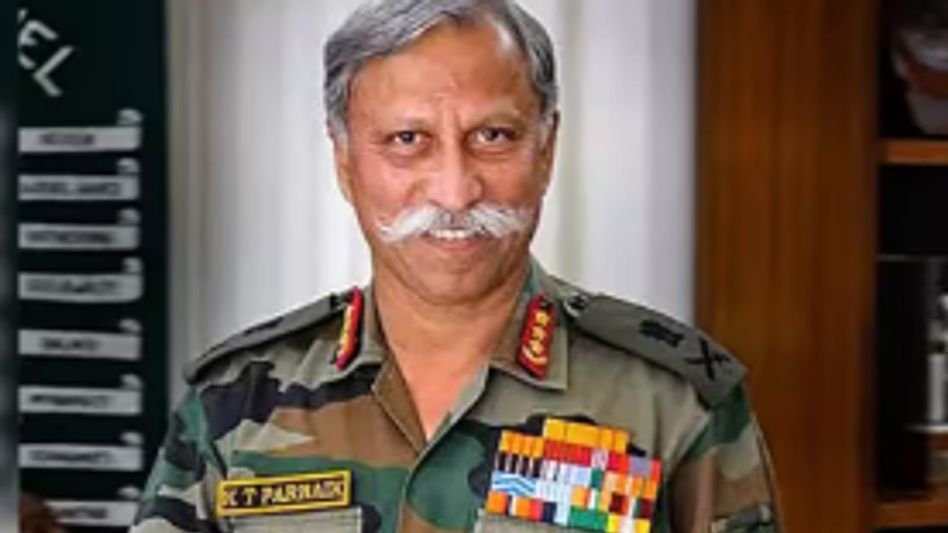
Arunachal Pradesh Governor Lt Gen KT Parnaik (Retd.) on Tuesday sat down with Air Marshal Inderpal Singh Walia, the Air Officer Commanding-in-Chief of the Indian Air Force’s Eastern Air Command, and said what many in the state’s remotest corners have quietly felt for years — the IAF isn’t just a defence force here. It’s a lifesaver.
The meeting took place at Lok Bhavan, and it wasn’t a ceremonial handshake. The two men went deep into serious business — national security priorities, the operational readiness of Advanced Landing Grounds (ALGs) scattered across the state’s rugged terrain, and the IAF’s critical role in pulling people out of disasters before the rest of the country even hears about them.
Think about what it means to live in a village tucked between mountain ridges in Arunachal Pradesh. When floods surge or landslides cut off the only road in, you’re not waiting for a truck. You’re hoping for a helicopter. Parnaik highlighted exactly this reality, pointing to how the IAF had been indispensable in rapid response operations during floods and landslides — air operations that transported relief materials, rescued stranded villagers, and evacuated patients from areas that no road has ever reached.
That last part is worth sitting with for a moment. Medical evacuations from remote areas. These aren’t just logistics stories — these are people who would have died otherwise.
The Governor didn’t stop at gratitude, though. He pushed for more. Parnaik urged the Eastern Air Command to expand its outreach specifically for Arunachal’s youth — career awareness sessions, National Cadet Corps engagements, air shows, educational tours. The idea being that the next generation of the state shouldn’t just see IAF aircraft fly overhead; they should know they could one day be inside one, flying for the nation.
He also made a pointed case for strengthening the ALGs and improving civilian air connectivity infrastructure across the border state. This isn’t only about defence optics. Better air infrastructure directly translates to better logistics, faster emergency response, and real economic growth for communities that have waited far too long for both.
Air Marshal Walia, for his part, didn’t leave the Governor’s words hanging. He assured that the Eastern Air Command would keep working closely with the state government — on disaster response, medical evacuations, connectivity, and regional security. It was a commitment that carried weight, especially coming from a command that operates in one of the most geographically demanding and strategically sensitive regions in all of Asia.
Arunachal Pradesh shares a long and sensitive border with China. The presence of the IAF here is never just humanitarian — it is, simultaneously, a show of strength in places where strength needs to be visible. The Governor’s acknowledgement of both dimensions of the force’s work was deliberate, and rightly so.
At the end of the day, what came out of Lok Bhavan on September 29 was a reminder of something that doesn’t get said enough: in a state where geography itself is the enemy sometimes, the Indian Air Force is often the only force that can match it.