
Itanagar didn’t look like a capital city on Thursday morning. By the time most people were supposed to be heading to work or school, the streets were already unusually quiet — shutters down, traffic thin, and a visible tension hanging in the air. The All Nyishi Students’ Union (ANSU) had called a 12-hour bandh, and despite the district administration declaring it outright illegal, the shutdown held.
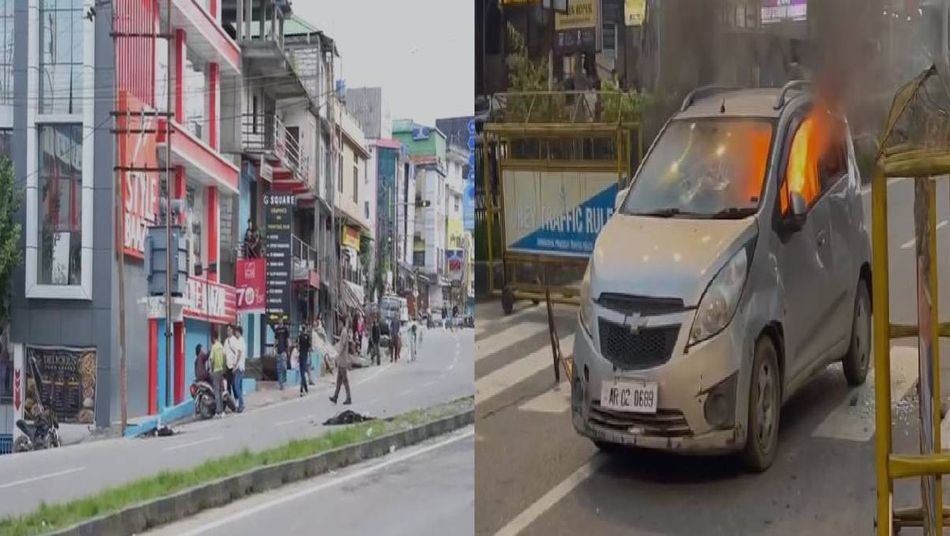
The bandh ran from 5 AM to 5 PM, and its impact on the Itanagar Capital Region was hard to miss. Vehicular movement took the biggest hit, with youth supporters and bandh enforcers stopping vehicles at multiple locations across the city. Emergency services were exempted — one of the few signs that there was any room for common ground — but for ordinary residents trying to go about their day, normalcy was simply not an option.
The administration had moved swiftly before the shutdown even began, invoking Section 163 of the Bharatiya Nagarik Suraksha Sanhita (BNSS) to declare the bandh unlawful. Officials flagged concerns over public safety, disruption of livelihoods, and potential law-and-order breakdowns, ordering the organizers to call it off. ANSU didn’t blink.
Security personnel were deployed at sensitive spots — Chimpu and areas near the state Secretariat among them. The day wasn’t entirely peaceful either. Reports of face-offs and roadblocks came in from various parts of the city, and in a more alarming development, a vehicle was reported to have caught fire. The exact circumstances around the incident remained unclear as of Thursday.
Itanagar Capital Region Superintendent of Police Jummar Basar stepped in with an appeal, urging young supporters and bandh enforcers to stay away from violence and keep things peaceful. Whether that message was fully heard on the ground is another matter.
So what was all this about? ANSU’s demands center squarely on education — and they’re not entirely unreasonable on paper. The student body is pushing for the renovation and upgradation of 56 identified schools, the establishment of a dedicated school for children with special needs in Pakke Kessang, and resolution of long-standing issues concerning Toru Engineering College and Late Neelam Taram Government College. These aren’t new grievances. They’ve been simmering for a while.
What makes Thursday’s shutdown particularly complicated is that talks between ANSU and the state government had actually been happening. Education Minister Pasang Dorjee Sona had personally urged the student body to reconsider the bandh call, pointing out that the government had already taken steps on several of the raised issues. The Education Department’s action-taken report, presented during those discussions, claimed that more than half of 26 identified infrastructure requirements were either ready or in an advanced stage of implementation. The rest, the government said, would be looked at depending on funding and other considerations.
Clearly, for ANSU, that wasn’t enough. The gap between “under consideration” and “actually done” is exactly where trust tends to break down between student organizations and governments — and that gap is what brought Itanagar to a standstill on Thursday.
The streets will reopen. The traffic will return. But if the government doesn’t move faster on these education demands, this won’t be the last bandh that tests the patience of both the administration and the people of Itanagar.