
Prime Minister Narendra Modi once built his political brand on a single, punchy promise — “Na khaunga, na khane dunga.” I won’t steal, and I won’t let others steal. On Thursday, Congress took that very slogan and threw it right back at him.
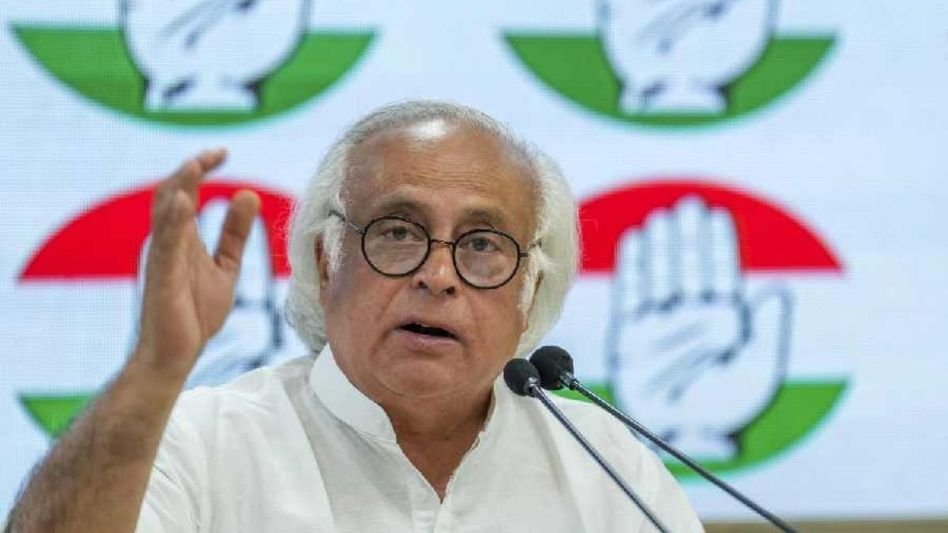
Congress general secretary Jairam Ramesh took to X on September 18, firing a pointed salvo at the Prime Minister over the continued tenure of Arunachal Pradesh Chief Minister Pema Khandu, even as a Supreme Court-ordered CBI inquiry allegedly hangs over his head. Ramesh’s counter-slogan was blunt, almost theatrical: “Khaya hai, khane diya hai, aur khilwaya bhi hai.” Has eaten, let others eat, and helped others eat too.
That’s a serious charge — and the backdrop makes it hard to ignore.
According to Ramesh, the Supreme Court on April 6 this year directed a CBI investigation into contracts worth a staggering Rs 1,270 crore, allegedly awarded to Khandu’s family members during his tenure as the state’s Public Works Department (PWD) minister between 2015 and 2025. The Congress leader alleged that rather than stepping aside, Khandu has continued in office — and reportedly continues to hold the PWD portfolio, the very department at the centre of the controversy.
That detail alone raises eyebrows. An ongoing investigation into contracts awarded by a minister, and that same minister is still holding the same portfolio? Congress argues that is precisely the kind of situation that demands a resignation, or at the very least, a directive from Delhi to step down.
Things didn’t stop there. Ramesh alleged that the Supreme Court had to summon senior Arunachal Pradesh government officials as recently as August 3, after the CBI reportedly complained about a lack of cooperation from the state machinery. Then, at a hearing on August 24, the court allegedly observed that the state government had submitted “huge chunks” of documents to the CBI — instead of the specific, relevant files investigators had sought. Whether that was deliberate obfuscation or bureaucratic fumbling is still unclear, but it’s the kind of detail that sticks.
“It is extraordinary and totally unacceptable that the CM continues in office,” Ramesh said, directing his anger not just at Khandu but squarely at PM Modi. The implication was unmistakable — that Modi, who has positioned himself as the face of anti-corruption politics in India, is looking the other way when it involves a chief minister from his own party.
It’s worth noting here that these are allegations made by an opposition politician in the middle of active legal proceedings. The Supreme Court has not delivered any final verdict on the matter. The CBI investigation is ongoing. Khandu or the BJP are yet to formally respond to this particular round of criticism.
What’s certain is that the case is far from over. The matter is scheduled to come back before the Supreme Court on September 25, which means the political heat in the coming days is only going to rise. Both parties are watching. So is the court.
When a Prime Minister’s own anti-corruption slogan gets weaponised against his government, it says something — either about the opposition’s sharpness, or about the contradictions within. Possibly both.