
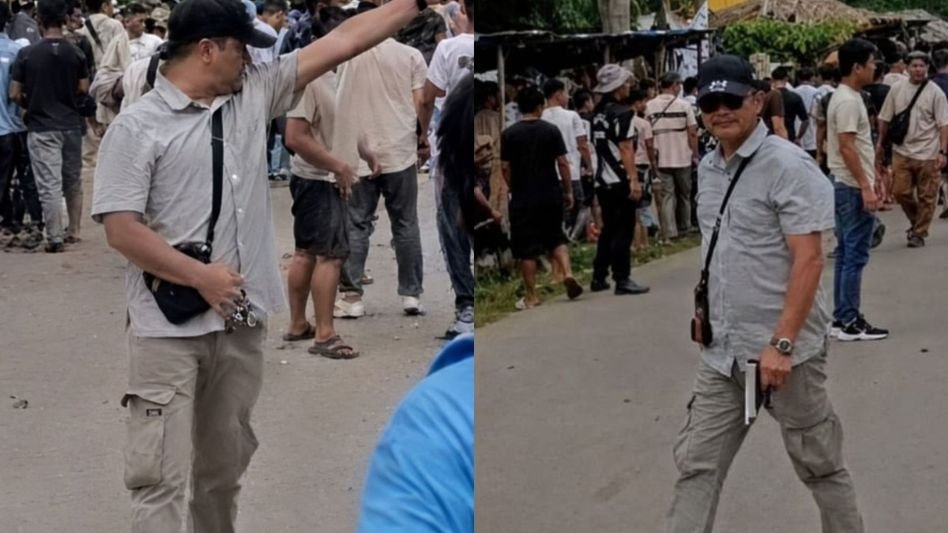
They came to exercise a basic democratic right. Instead, they were turned away — and the office meant to hear them out was left damaged.
The Chakma Development Foundation of India (CDFI) has filed a complaint before the National Human Rights Commission (NHRC), alleging that Chakma voters were deliberately blocked from attending Special Intensive Revision (SIR) hearings for electoral rolls at Bordumsa in Arunachal Pradesh’s Changlang district on September 4. What should have been a routine administrative process has spiralled into a flashpoint for one of the region’s most long-standing and sensitive identity disputes.
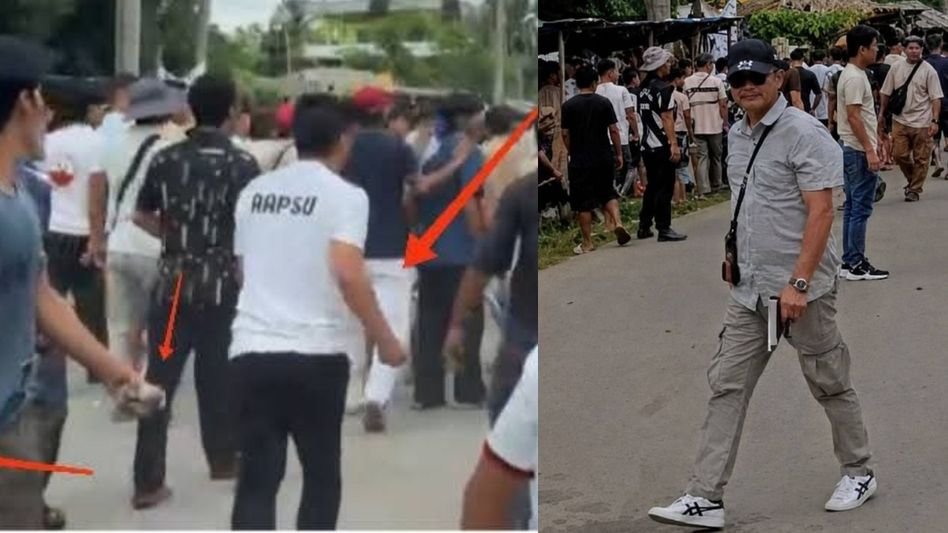
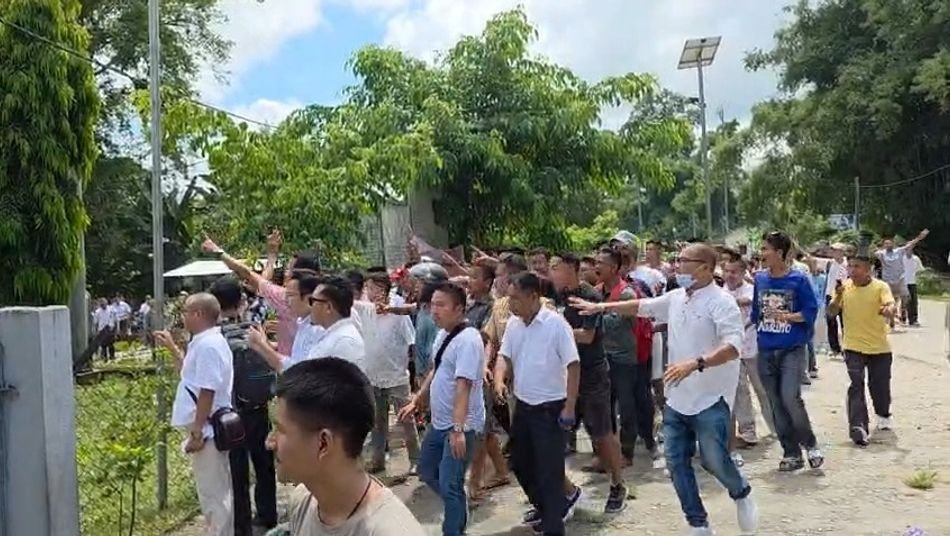
At the heart of the trouble is the All Arunachal Pradesh Students Union (AAPSU), whose protests forced the postponement of the Bordumsa hearing. The unrest didn’t stop at slogans — the office of the Electoral Registration Officer (ERO) was damaged in the process. The disruptions weren’t a one-off either. A day earlier, on September 3, hearings had already been thrown into chaos. The ERO managed to hear only 222 of the 252 pending Form 6 applications that day, while proceedings on September 4 were halted midway with just 150 of 303 applications addressed before violence shut things down entirely.
These aren’t just numbers. Behind each application is a person — a Chakma or Hajong community member — trying to have their name on an electoral roll. Trying to count.
CDFI chairman Suhas Chakma didn’t hold back in his response. He described the back-to-back incidents as proof of a system that has completely failed. “The repeat of the violence today after yesterday’s incidents exposes the absolute failure of the State of Arunachal Pradesh in all aspects,” he said, adding that the situation should never have been allowed to escalate into widespread violence and stone-pelting. It’s a pointed indictment — and given the history here, a difficult one to argue against.
The CDFI’s complaint to the NHRC carries specific legal weight. The organisation has invoked the Supreme Court’s 1996 judgment in National Human Rights Commission v State of Arunachal Pradesh, which explicitly directed the state to protect the life and personal liberty of Chakmas living in Arunachal Pradesh. The ruling went further — it required the state to prevent organised attempts to forcibly evict or drive Chakmas out, and where needed, deploy police or paramilitary forces for their protection. Three decades on, the CDFI says that judgment is still waiting to be fully enforced.
The foundation has now sought directions from the NHRC addressed to three authorities — the Union Ministry of Home Affairs, the Arunachal Pradesh government, and the Election Commission of India — demanding that Chakma and Hajong voters be safeguarded throughout the ongoing SIR process. With more hearings still to come, the ask is urgent.
The SIR process is meant to be a neutral exercise in democratic housekeeping. But in Arunachal Pradesh, it has become a contested battleground where questions of citizenship, identity, and belonging collide. The Chakma and Hajong communities have lived in this region for decades, their status repeatedly challenged, their inclusion in voter rolls a source of sustained tension.
What happened in Bordumsa this week is a reminder that when institutions fail to hold the line, it is always the most vulnerable who pay the price. The NHRC now has a chance to step in. Whether it does — and how quickly — will say a lot about how seriously India takes the rights of its most marginalised communities.