
In a country where most state governments are busy explaining their deficits, Arunachal Pradesh has just pulled off something genuinely remarkable.
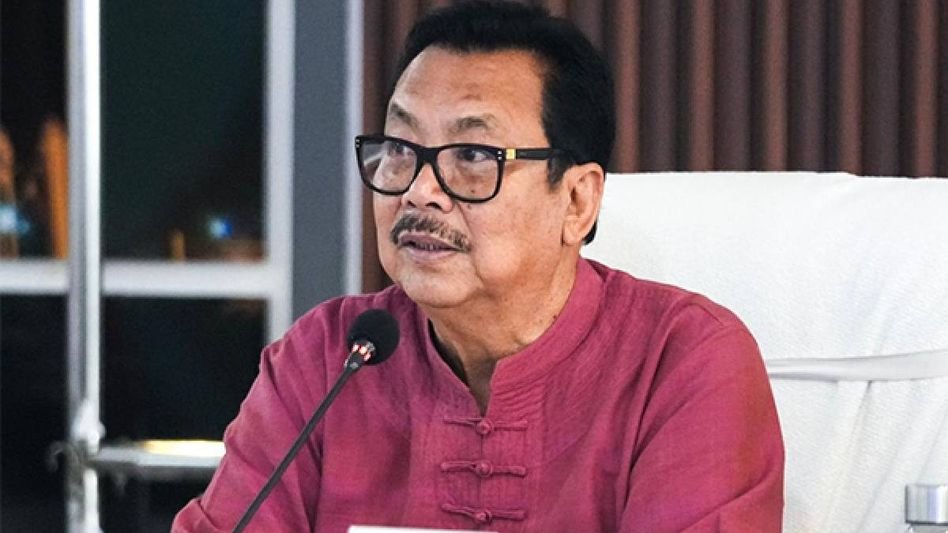
The state recorded a revenue surplus of 12.1 per cent as a share of its Gross State Domestic Product (GSDP) in 2024-25 — the highest figure among all states and Union Territories in India for which comparable data is available. Deputy Chief Minister Chowna Mein, who also holds the Finance, Planning and Investment portfolios, announced the milestone on September 1, and the numbers speak loudly.
For a small northeastern state that has long depended heavily on central grants and special allocations, this kind of fiscal standing is a major shift in narrative.
Mein shared the achievement on X, putting it plainly: “Good governance is not only about spending for development. It is also about managing public finances responsibly.” That single line cuts through a lot of political noise. Governments across India — big states, rich states — struggle to say something like that with actual data backing them up. Arunachal can.
The deputy chief minister was clear that the surplus is not just a statistic to celebrate at a press conference and forget. He described it as proof that the state has built a stronger financial foundation — one that gives the government the room and confidence to take on development projects without being reckless with public money. Responsible spending, he said, is central to the state’s agenda. That’s not a throwaway line when your revenue surplus-to-GSDP ratio is leading the country.
The figures come from two credible sources: the RBI Handbook of Statistics on Indian States and the Business Standard Fiscal Health Tracker. These aren’t numbers someone cooked up for optics. When the Reserve Bank of India’s own data validates your fiscal health, it means something.
What makes this achievement particularly worth noting is the context. Arunachal Pradesh has historically been among the states with high dependence on central transfers. The terrain is difficult, connectivity remains a challenge in many areas, and development costs are naturally higher than in the plains. Against that backdrop, managing finances well enough to post the nation’s highest revenue surplus-to-GSDP ratio isn’t just good news — it’s a signal that something structurally is going right.
Mein framed it as a long game. A stronger financial position, he said, will help the state pursue its development priorities with greater confidence while also building resilience to handle economic uncertainties down the road. That thinking — pairing fiscal discipline today with development ambition for tomorrow — is exactly the kind of governance philosophy that tends to produce lasting results rather than short-term noise.
Welfare schemes are still running. Development work continues. And the books still show a surplus. That’s the balance most governments talk about and very few manage to demonstrate.
In Indian state politics, where fiscal recklessness often goes unpunished and surpluses are almost unheard of, Arunachal Pradesh’s 12.1 per cent revenue surplus is not just a number — it’s a statement about what disciplined governance can achieve even in the most geographically and logistically challenging corners of the country.