

When a human rights organisation tells a state government to pause and reconsider, it’s time to pay attention.
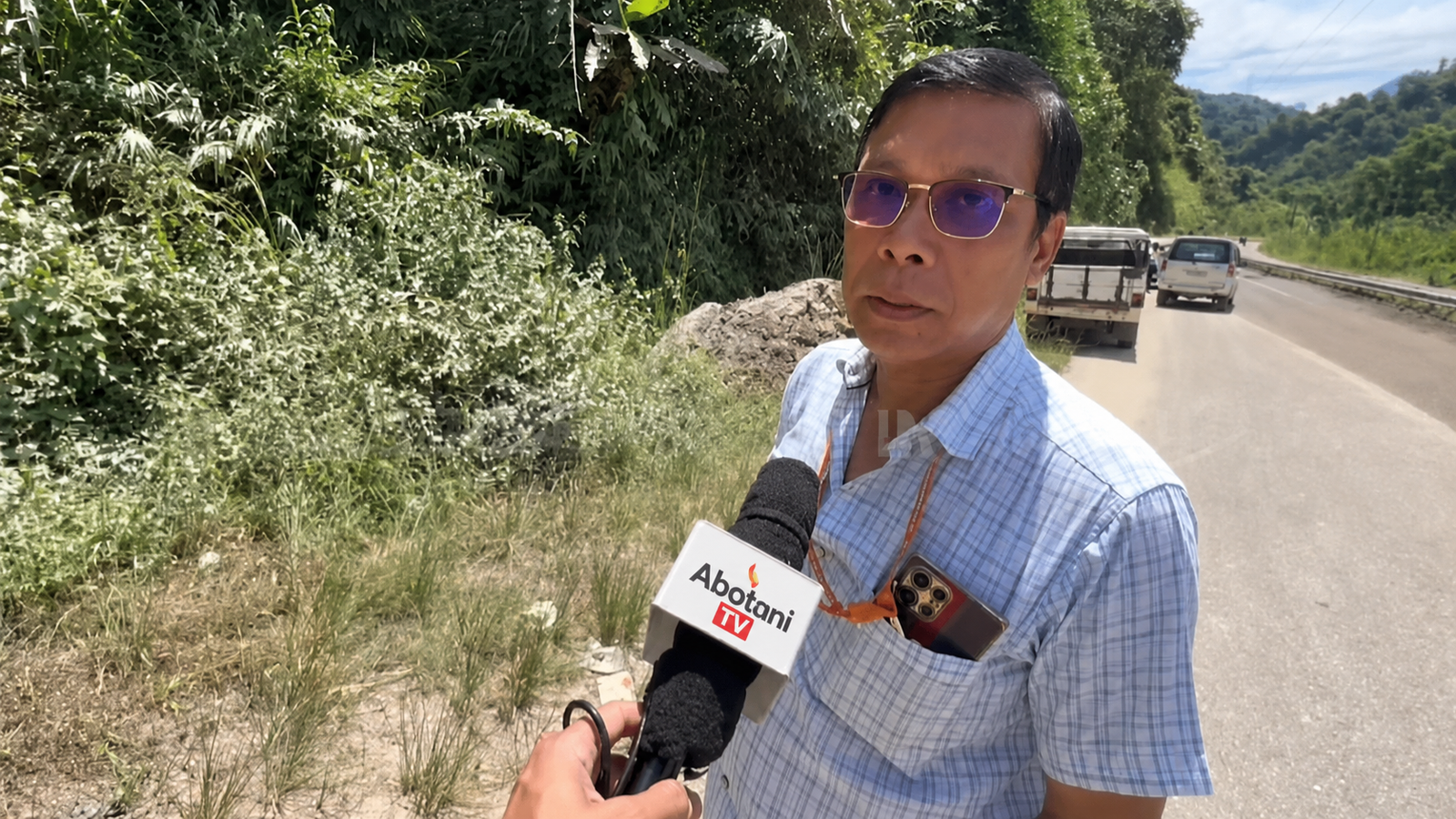
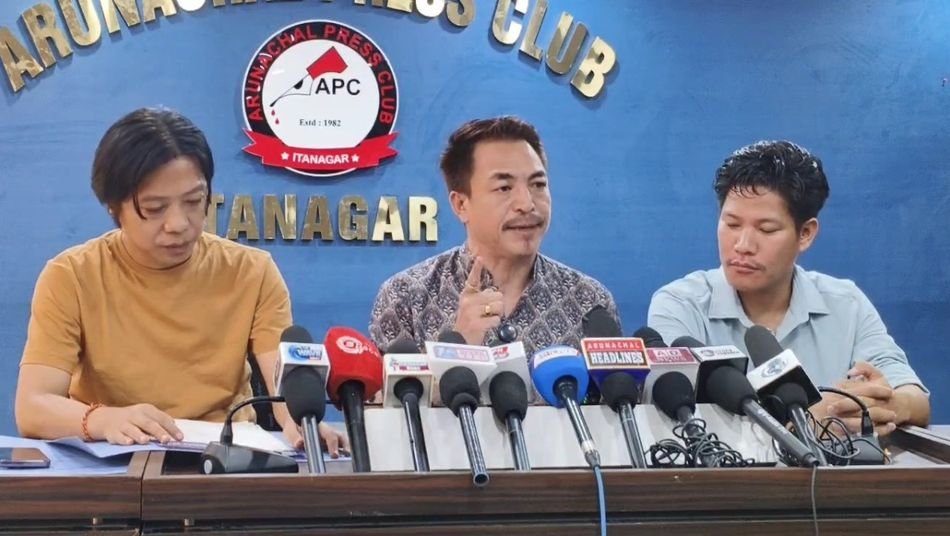
The Human Rights of Arunachal, better known as HRA, has thrown its weight behind the Adi community’s growing resistance to the proposed mega hydropower projects along the Siang river belt. In a formal statement issued on Sunday, the organisation urged the Arunachal Pradesh government and Deputy Chief Minister Chowna Mein — who also holds the Power portfolio — to seriously review the projects and, if necessary, drop them altogether.
More Than Just Dams — It’s About People
HRA Vice President (East Zone) Nongku Pertin, speaking with the full approval of the HRA chairman, made it clear that this isn’t anti-development sentiment. The organisation stressed that it has no objection to progress, but drew a hard line — any development must be sustainable, environmentally sound, and most critically, must happen with the informed consent and participation of the communities who actually live there. That’s not a radical position. That should be the baseline.
Smaller Projects, Bigger Sense
Rather than pushing blanket opposition, HRA came with an alternative on the table. The body suggested that the state government explore smaller hydropower projects — in the range of 100 MW, 200 MW or 500 MW — wherever such options are technically and environmentally viable. It’s a practical middle ground that deserves serious engagement, not dismissal.
The Uncomfortable Truth About Local Leaders
What makes this statement stand out is what HRA said about some elected representatives in the region. The organisation openly flagged its concern that certain local leaders appear more focused on land compensation deals than on the actual long-term welfare of their people. That’s a pointed remark. Public representatives, HRA reminded everyone, should always put the wellbeing and future of Arunachal’s people first — not personal or political gains.
Pasighat, Assam, and the Downstream Risk
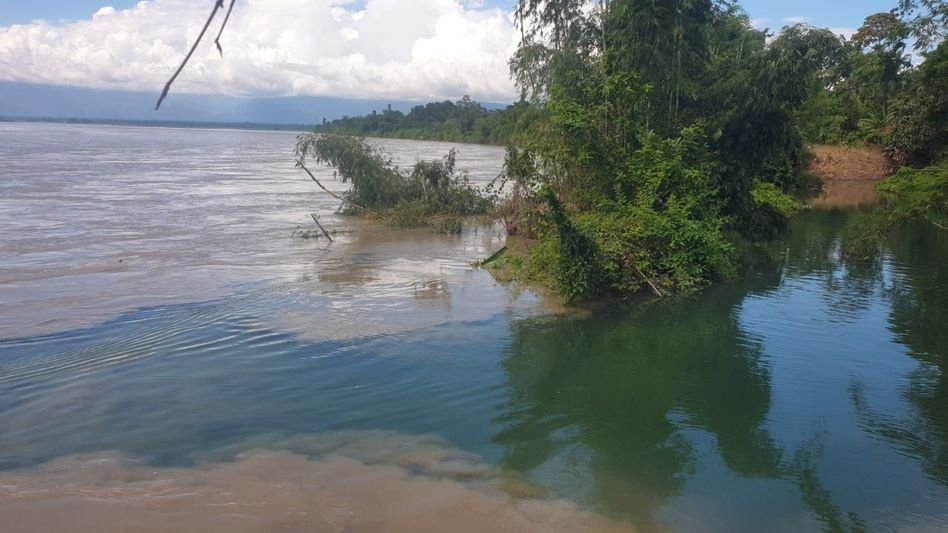
The environmental stakes raised by HRA go beyond Siang’s banks. The organisation called for comprehensive environmental, geological and social impact assessments before any major dam work begins. It warned that the consequences of getting this wrong could stretch downstream — hitting the historic town of Pasighat and large parts of neighbouring Assam. Transparent scientific studies and public consultations aren’t optional extras here. They’re non-negotiable.
The Siang is not just a river. For the Adi people, it is identity, livelihood, and memory — all flowing in one current. When a rights body steps up to echo what communities have been saying for years, it signals that the silence around this issue is finally breaking open. The government now has a clear choice: engage genuinely, or be held accountable by history.
HASHTAGS
#SiangDams #AdiCommunity #ArunachalPradesh #HumanRightsArunachal #SiangRiver #NongkuPertin #ChownaMein #TribalRights #SaveSiang #MegaDams #IndigenousRights #ArunachalNews #NortheastIndia #AbotaniTV #HydropowerControversy #SiangValley #EnvironmentMatters #Pasighat #DamProtest #SustainableDevelopment