
A historic marketplace at the India-Myanmar border just came back to life, carrying with it the hopes of two nations and the livelihoods of people who have been waiting far too long.
A Market That Was Missed
On July 20, 2026, something quietly significant happened at the edge of Arunachal Pradesh. The Pangsau Pass Border Haat at Nampong in Changlang district swung its gates open again after six years of silence. Six years. For the border communities on both sides — Indian and Myanmarese — that’s not just a number. It’s years of lost income, broken connections, and a cultural exchange that simply dried up. The reopening didn’t come with much fanfare, but for the people of Nampong, it didn’t need to.
What Happens Here, and Why It Matters
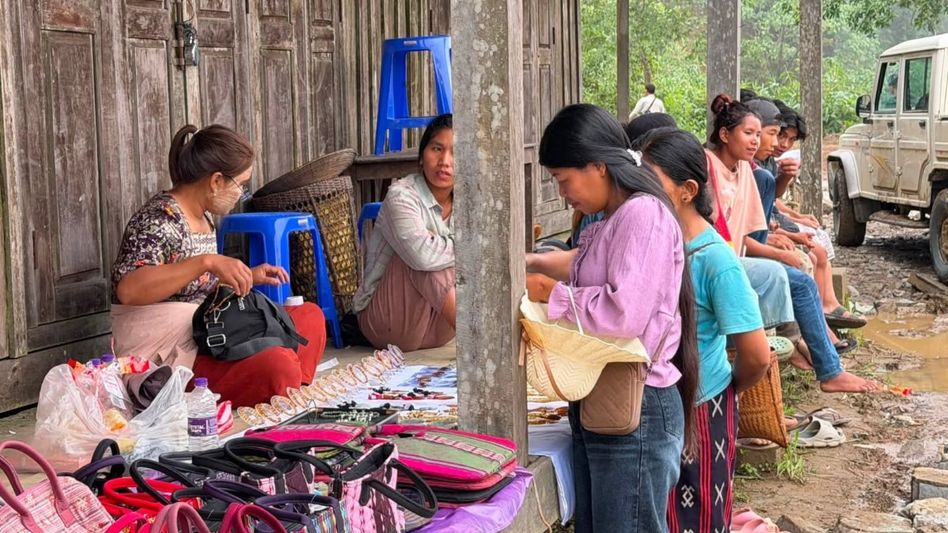
The haat itself sits in Pangsau village, technically on the Myanmar side of the international border, right across from Nampong. It’s the kind of place where commerce and culture blur into one. Shoppers on both sides come for traditional Myanmarese handicrafts, textiles, jade, ethnic foods, and daily essentials that simply aren’t available elsewhere. There’s a beautiful rhythm to it too — Indian citizens can visit on designated “India Days” with a Protected Area Permit, while every Friday, known locally as “Burma Day,” Myanmarese villagers cross over to shop on the Indian side. Two countries, one market, a shared purpose.
Three Days a Month — But It’s a Start
The market will now operate on the 10th, 20th, and 30th of each month. Three days doesn’t sound like much on paper. But for the traders, artisans, and small vendors who depend on this exchange, it’s a lifeline being handed back. Authorities have stated that the revival is expected to boost border tourism and deepen trade and cultural ties between India and Myanmar. That’s diplomatic language, of course — but behind it lies something real and human.
History Lives Just Beyond the Border
There’s another reason this region matters beyond commerce. About 12 kilometres inside Myanmar lies the Lake of No Return — a haunting, storied World War II site that draws history enthusiasts and travellers who want to stand where the past breathed its last. The revival of the Pangsau Pass Haat is expected to breathe new life into tourism in this entire corridor. Visitors who come for jade and handicrafts may end up walking through history as well. That combination — trade and heritage — is rare and powerful.
What Comes Next
Local authorities have welcomed the resumption warmly, expressing hope that it will open new economic doors for communities that have long lived at the margins of the nation’s attention. The border is no longer just a line on a map here — it’s a place where people meet, trade, and understand each other a little better.
Six years is a long time to keep a market waiting. But sometimes, when something this meaningful comes back, it comes back with even more weight than before.
HASHTAGS
#PangsauPass #BorderHaat #ArunachalPradesh #IndiaMyanmarTrade #Nampong #ChanglangDistrict #BorderMarket #NortheastIndia #ArunachalNews #IndiaMyanmarTies #BorderTourism #LakeOfNoReturn #CrossBorderTrade #MyanmarMarket #AbotaniTV #ArunachalTourism #BorderCommunities #IndiaMyanmar #NortheastNews #BorderHaatReopens