
A powerful alliance is forming in Arunachal Pradesh. And the state government may want to pay close attention before July 13 arrives.
HRA Throws Its Weight Behind AAPSU
The Human Rights of Arunachal (HRA) has come out firmly in support of the All Arunachal Pradesh Students’ Union (AAPSU), backing their demand to scrap the state government’s proposed consultative meeting scheduled for July 13. The meeting, which seeks to discuss including the Kachari community of Namsai and Changlang districts in Arunachal Pradesh’s Scheduled Tribe (ST) list, has triggered serious pushback from multiple indigenous groups. Now, with HRA stepping in, the opposition has grown louder — and harder to ignore.
“This Needs Consensus, Not a Closed-Door Meeting”
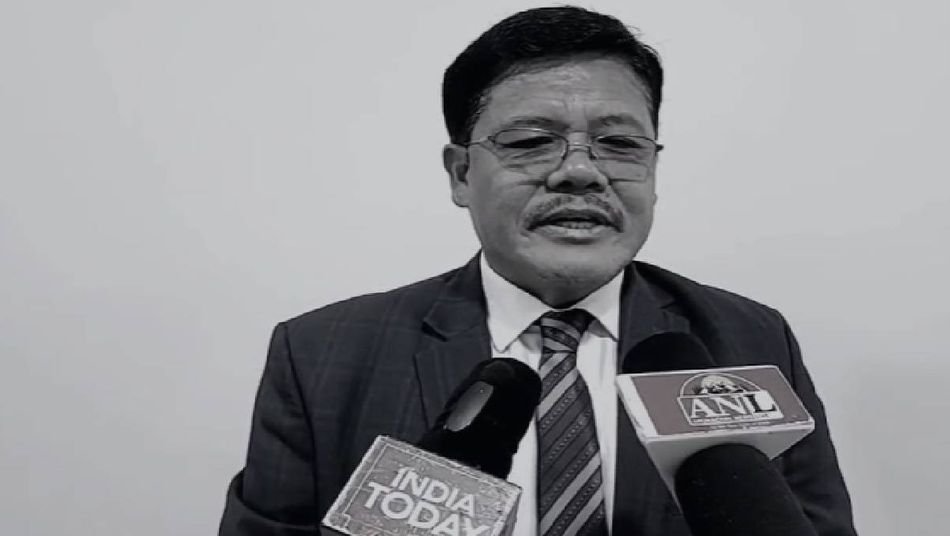
In a statement issued on July 10, HRA Chairman Dr. Kipa Kaha didn’t mince words. He made it clear that Arunachal Pradesh is a tribal-majority state where the rights, identity, customs, land and traditions of indigenous communities are constitutionally and legally protected. Any move that could shake up that framework, he argued, demands caution — and more importantly, broad consensus from the indigenous communities themselves. That’s not what a rushed July 13 meeting looks like. Not to HRA, and certainly not to AAPSU.
The Kachari Question — More Complicated Than It Seems
Here’s where it gets nuanced. The Sonowal Kachari community already holds Scheduled Tribe status in neighbouring Assam. HRA acknowledged this but stressed that extending that recognition into Arunachal Pradesh is an entirely different matter — one that must pass through careful constitutional scrutiny without eroding the safeguards that protect the state’s indigenous tribes. This isn’t just about paperwork and classifications. Scheduled Tribe status carries real weight — land rights, political representation, access to government schemes. The stakes couldn’t be higher.
ILP, History, and the Fear of Dilution
Dr. Kaha also brought up something that resonates deeply with people in Arunachal — the Inner Line Permit (ILP) system and the Bengal Eastern Frontier Regulation of 1873. Both were designed specifically to protect the identity and traditional rights of Arunachal’s indigenous communities from outside encroachment. HRA’s message was clear: these protections must not be quietly weakened through decisions made without the full knowledge and consent of the people they were meant to protect.
A Direct Appeal to the Government
HRA has formally appealed to the Arunachal Pradesh government, the Chief Secretary, and the Department of Social Justice, Empowerment and Tribal Affairs (SJETA) — asking them to withdraw the July 13 meeting entirely. They want transparent, inclusive consultations with all recognised indigenous stakeholders before anything affecting the state’s tribal identity moves forward.
This is more than a procedural dispute. When both a powerful students’ union and a human rights body stand united on the same side, it signals something the government cannot simply schedule away. Arunachal’s tribes are watching — and they are not willing to let their identity be decided in a meeting they weren’t meaningfully part of.
HASHTAGS:-
#ArunachalPradesh #HumanRightsOfArunachal #AAPSU #KachariSTInclusion #ScheduledTribe #TribalRights #IndigenousRights #ArunachalTribes #ILP #InnerLinePermit #NortheastIndia #STList #TribalIdentity #DrKipaKaha #SonowaiKachari #Namsai #Changlang #SJETA #AbotaniTV #ArunachalNews