
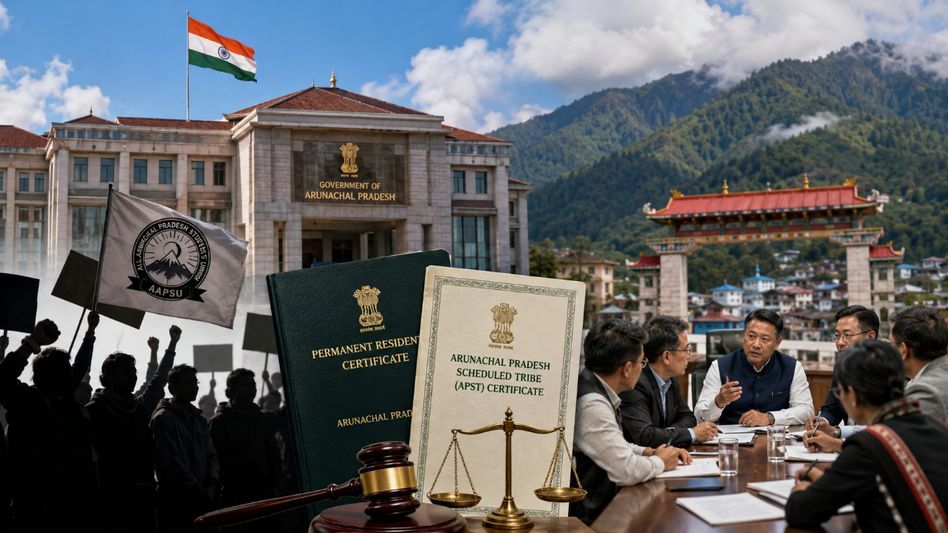
Students pushed. The government moved. The Arunachal Pradesh government has finally constituted a high-level committee to review its long-debated 80:20 reservation ratio in state government recruitment — a direct response to relentless pressure from the All Arunachal Pradesh Students’ Union (AAPSU). It took a 13-point memorandum, weeks of waiting, and a seven-day ultimatum, but the government has now officially put the policy under the scanner.
What Exactly Is Being Reviewed?
The committee’s job is serious and wide-ranging. It will examine whether the 80:20 reservation ratio should be scrapped altogether, and whether the Permanent Resident Certificate (PRC) and Arunachal Pradesh Scheduled Tribe (APST) Certificate should be made mandatory for all competitive recruitment processes in the state. That’s not a small ask — these are questions that touch the very core of how jobs are distributed in Arunachal Pradesh, and who gets a fair shot at them. The panel will also study how neighbouring states like Assam, Nagaland, Mizoram and Manipur handle their own reservation systems. A two-month deadline has been set to submit the final report.
Who Is On This Committee?
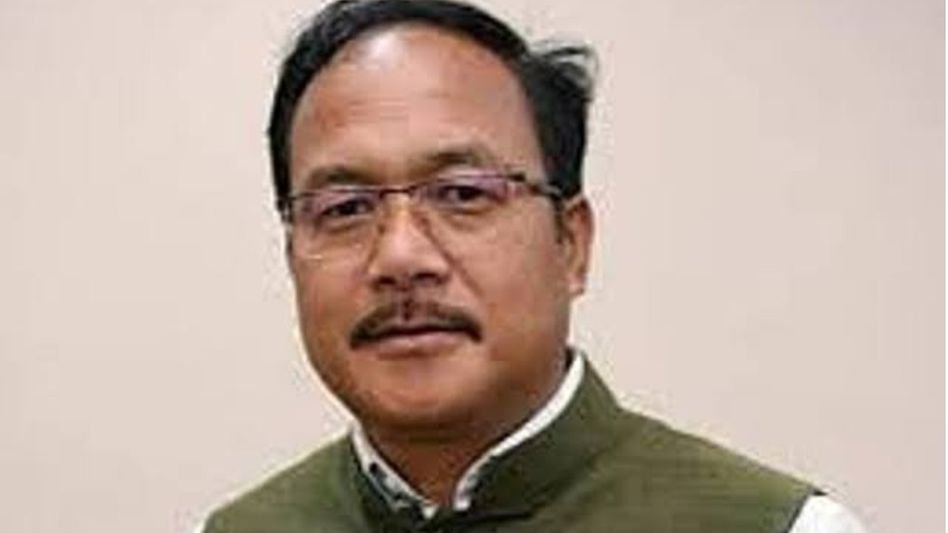
The committee will be chaired by Industries, Skill Development and Labour & Employment Minister Nyato Dukam. Alongside him sit senior bureaucrats — the Principal Secretary (Home/PWD), Secretary (Law), Secretary (Personnel), Secretary (Social Justice, Empowerment and Tribal Affairs), and the Joint Secretary (Administrative Reforms and Training). AAPSU president or a nominated representative will join the proceedings as a special invitee. It is a well-structured panel on paper, and the hope is that it delivers something equally solid.
AAPSU’s Reaction — Cautious But Positive
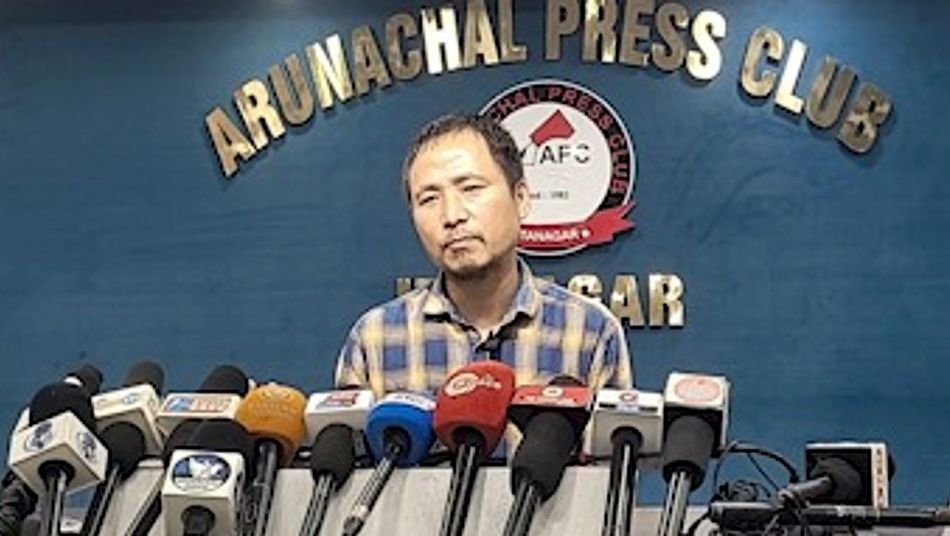
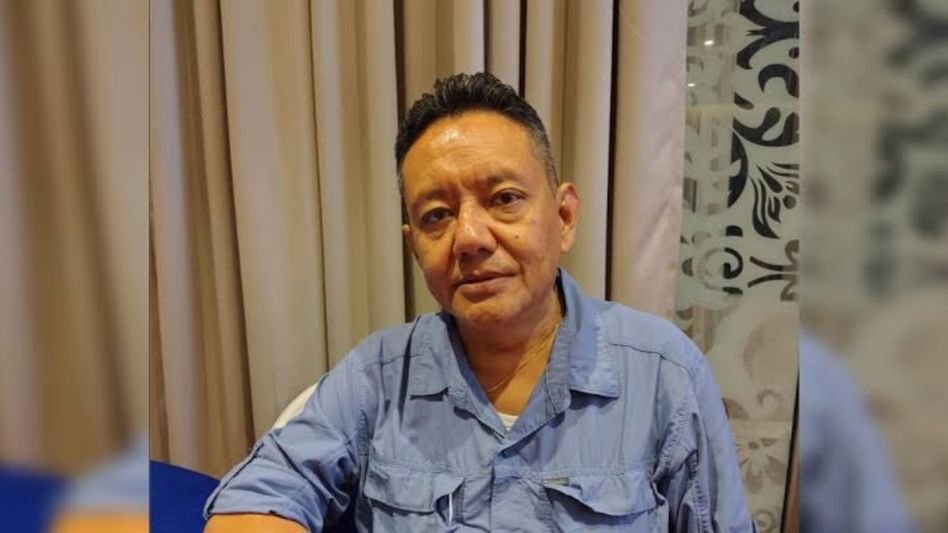
AAPSU president Meje Taku welcomed the committee’s formation, calling it the direct result of their sustained campaign. He was careful not to celebrate too early though — and rightly so. Taku made it clear that the union would continue pushing until actual policy changes are made. Words on paper mean little if nothing changes on the ground. The government has also assured AAPSU that the remaining demands in their memorandum — including re-amendment of Article 371(H), the Chakma-Hajong issue, the Assam-Arunachal boundary demarcation, and a central anti-racism law among others — will be taken up by respective departments on priority.
A First Step, Not the Last
This committee’s formation is a beginning, not an end. Arunachal’s youth have been vocal about fairness in recruitment for years, and this is arguably the most concrete response they have received. The two-month deadline will be watched closely. If the panel delivers a strong, actionable report — and if the government actually acts on it — this could mark a meaningful turning point for how the state’s tribal communities access government jobs. If it doesn’t, the students will be back. Louder.
— Naitik
Abotani TV
─────────────────────────────
#ArunachalPradesh #AAPSU #ReservationPolicy #8020Reservation #NyatoDukam #MejeTaku #PRCCertificate #APSTCertificate #ArunachalNews #NortheastIndia #StudentUnion #TribalRights #GovernmentJobs #Itanagar #Article371H #ChakmaHajong #AbotaniTV #NortheastNews #ArunachalPolitics #IndigenousRights