
When an entire valley stops to pray for rain and rice, you know it’s not just a festival — it’s a way of life.
The Apatani community came alive across Arunachal Pradesh on Sunday, July 5, as the annual Dree Festival was celebrated with stunning cultural energy and deep-rooted devotion. The biggest gatherings lit up the Ziro Valley and Itanagar, drawing locals, dignitaries and even a group of stunned Spanish tourists who probably didn’t expect to find this kind of raw, unfiltered tradition tucked away in the hills of Northeast India.
What is Dree, and Why Does It Matter So Much?
Dree is not just a festival you attend. It’s one the Apatani people live by. Observed every year from July 4 to 7, it’s an agricultural and fertility celebration rooted in the community’s centuries-old wet rice cultivation traditions in the fertile Ziro Valley. Communities gather to invoke the blessings of agricultural deities — praying for bumper harvests, timely monsoon rains, protection from famine and drought, and the overall welfare of humanity. There’s something profoundly humbling about a people who, in 2026, still look to the sky with folded hands and ask the divine to take care of their fields.
A Festival That Honours the Old and Embraces the Young
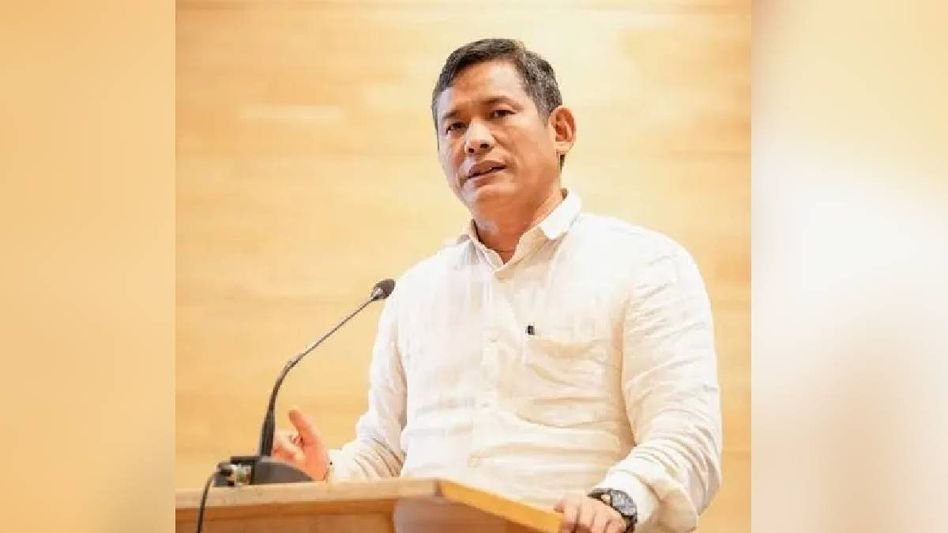
The 37th Hong Dree Festival at Hong village in Lower Subansiri district saw Rajya Sabha MP Tai Tagak attend as the chief guest. The event began with the hoisting of the Dree flag, the singing of the Dree Anthem and the reading of Dree mythology — each act a reminder of how deliberately this community protects its past. Meritorious students and traditional priests were felicitated, a beautiful touch that acknowledges both academic achievement and the quiet, often overlooked work of those who keep ancient customs alive.
The Colour, the Rituals and the Visitors Who Couldn’t Stop Smiling
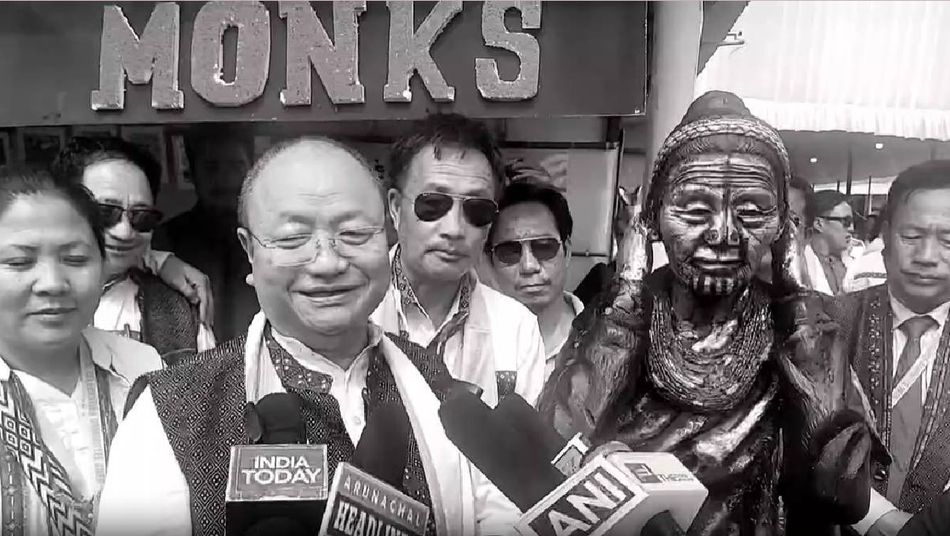
The celebrations were full of life — traditional Pri dances, the crowd-favourite Daminda dance, literary competitions and community feasts with Dree Taku (cucumber), traditional rice and millet beer. Seven visitors from Spain who attended said they had never witnessed anything like it. Honestly, that doesn’t surprise anyone who has seen the Ziro Valley dressed for a festival. Elderly Apatani women also took the opportunity to explain the significance of their distinctive facial tattoos — a practice historically meant to protect young women from abduction, eventually discontinued after former PM Indira Gandhi visited Ziro in 1972.
Culture Is Not a Relic — It’s a Responsibility
MP Tai Tagak put it simply and powerfully: “Our identity is rooted in our culture. If we lose our culture, we lose our identity.” That line deserves to sit with everyone for a moment. The Dree Festival is proof that the Apatani community hasn’t just preserved its heritage — it celebrates it with pride, passes it on with intention, and refuses to let the modern world swallow it whole. That’s not tradition. That’s resistance. Beautiful, joyful resistance.
— Naitik
Abotani TV
─────────────────────────────
#DreeFestival #DreeFestival2026 #ApataniTribe #ZiroValley #ArunachalPradesh #NortheastIndia #IndigenousCulture #TribalFestival #ApataniCommunity #ZiroDree #HongVillage #ArunachalCulture #TribalHeritage #CulturalPride #NortheastFestivals #ArunachalTourism #IndigenousTribes #AbotaniTV #ArunachalNews #IncredibleIndia