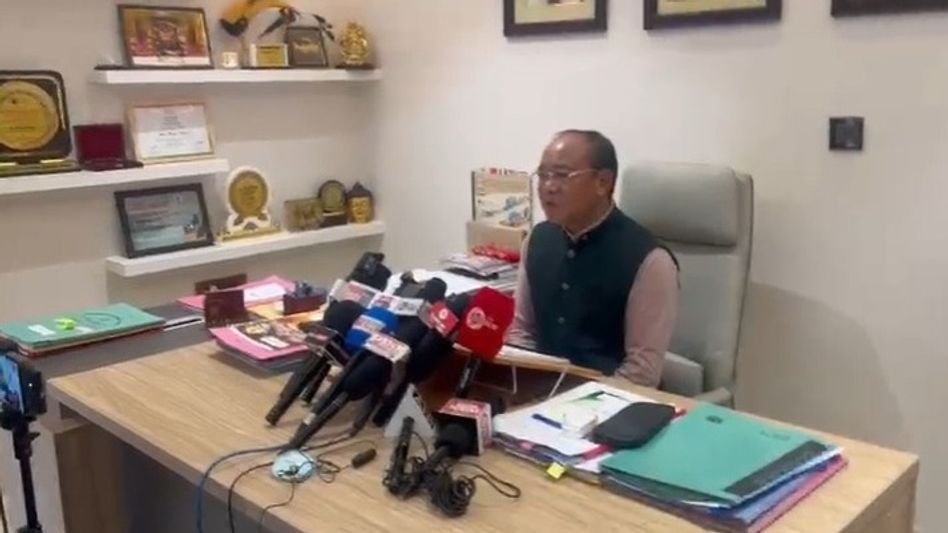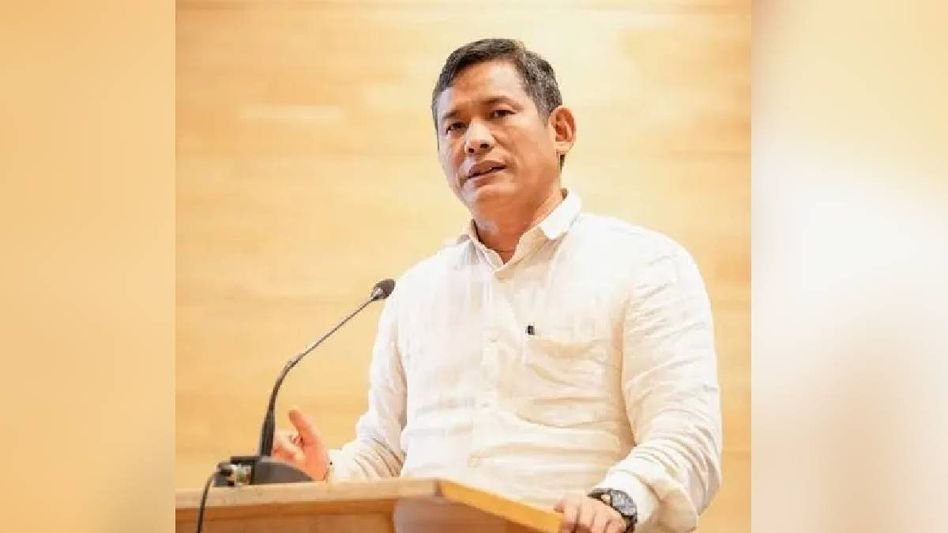

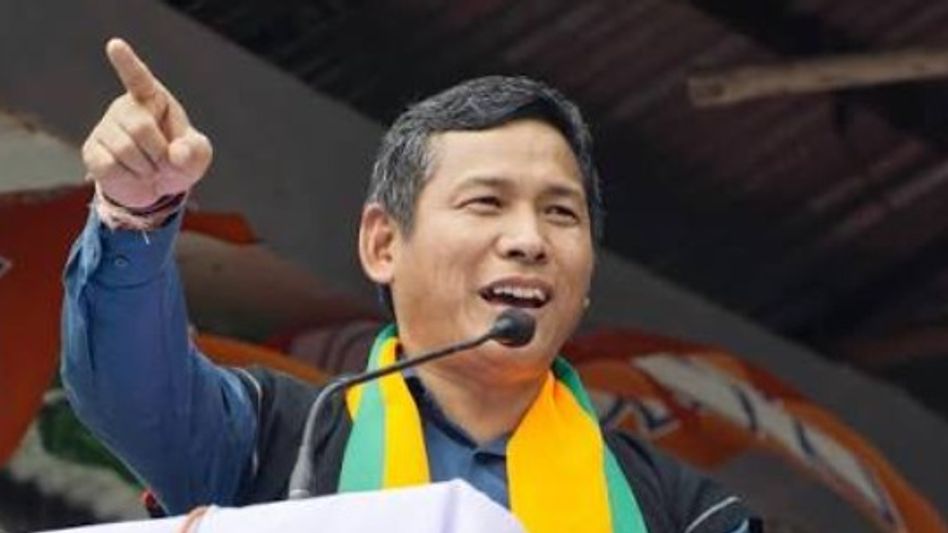
When a state has villages tucked between mountain ridges with no roads and barely any connectivity, governance can’t be copy-pasted from a policy handbook. Arunachal Pradesh’s Panchayati Raj Minister Ojing Tasing made that exact point — and he didn’t mince words.
A Voice from the Hills at a National Table
On July 3, Tasing stood at a national workshop of State Panchayati Raj Ministers and made a case that many from the Northeast have been quietly making for years — flexibility in implementation frameworks is crucial to ensure that governance reforms effectively respond to local needs, particularly in geographically diverse and remote areas like Arunachal Pradesh. The workshop was chaired by Union Minister for Panchayati Raj Rajiv Ranjan Singh, popularly known as Lalan Singh, and brought together ministers from across the country. It wasn’t just another government meeting. It was, in many ways, an opportunity for states like Arunachal to remind Delhi that geography matters.
The Problem with One-Size-Fits-All
Arunachal Pradesh is not like most states. It shares international borders, has dozens of tribes, hundreds of dialects, and villages that can take days to reach. Applying the same governance template here that works in the plains of Haryana or Uttar Pradesh doesn’t just fall short — it can completely miss the point. Tasing highlighted the importance of cooperation between the Centre and states in strengthening grassroots governance, saying rural development initiatives must be tailored to local realities to achieve meaningful and sustainable outcomes. That sounds like policy language, but if you’ve ever seen what it actually takes to deliver a government scheme to a village in Upper Siang or Dibang Valley, you understand why he’s saying it.
Decentralisation Can’t Be Decorative
The minister didn’t just talk about flexibility — he pushed for something more structural. He emphasised that effective decentralised governance, backed by coordinated efforts and policy flexibility, would help improve service delivery, accelerate rural development and enhance the overall functioning of Panchayati Raj Institutions across the country. Decentralisation is often spoken about in theory. But if the funds, the decision-making power and the accountability all still sit at the top, it’s just decoration. Tasing’s pitch was clear — let the local bodies actually govern, and build the system around what exists on the ground, not what looks good in a report.
Why This Moment Matters
There’s something significant about a minister from a border state sitting at a national table and saying — our villages need something different, and we need the Centre to listen. It’s not a demand for special treatment. It’s a demand for common sense. Tasing called for a more collaborative and flexible approach to implementing rural governance reforms, stressing that adaptability is essential to address the unique challenges faced by different regions. If India’s grassroots institutions are to actually function and not just exist on paper, states like Arunachal can’t be forced into frameworks that were designed for entirely different landscapes.
The Last Word
What Ojing Tasing said at that workshop is something policymakers in Delhi need to hear — and act on. Governance that doesn’t bend to reality will eventually break. The villages of Arunachal have waited long enough for systems that actually work for them. Flexibility isn’t a concession. It’s the only way forward.
— Naitik
Abotani TV
─────────────────────────────
#OjingTasing #ArunachalPradesh #PanchayatiRaj #RuralGovernance #NortheastIndia #ArunachalPolitics #DecentralisedGovernance #RuralDevelopment #LalanSingh #CentreStateCooperation #GrassrootsGovernance #ArunachalNews #GovernanceReforms #IndiaPolitics #LocalGovernance #AbotaniTV #NortheastNews #ArunachalGovernment #RuralIndia #PanchayatiRajMinister