
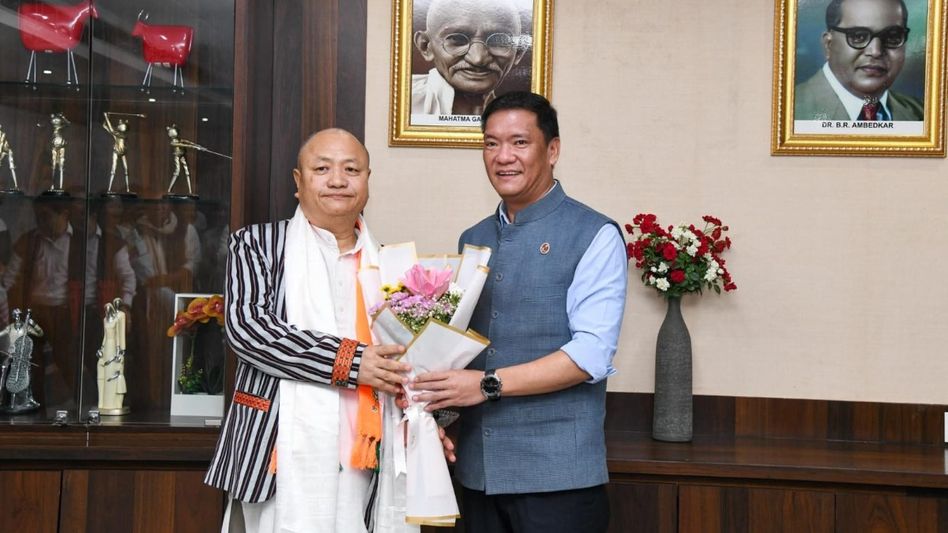
At a glance
- Tai Tagak, a veteran BJP figure in Arunachal Pradesh, won unopposed.
- The election occurred on June 11, 2026, for the state’s single Rajya Sabha seat.
- Arunachal Pradesh Chief Minister Pema Khandu congratulated the winner.
- The BJP fielded Tagak as its sole candidate and retained the seat.
- The result is expected to bolster the state’s parliamentary representation.
Timeline of the Election Process
The process reached its conclusion on June 11, 2026, when Tai Tagak was declared elected unopposed. Prior developments, as referenced in related coverage, included validation of his nomination a couple of days earlier. Because no other candidates entered the fray, the returning officer could finalize the result without a formal poll.
This unopposed election reflects strong internal consensus within the ruling party structure in the state. As a result, the focus shifts quickly from campaigning to the new representative’s role in the Upper House.
Background on the Elected Leader
Tai Tagak has long been active in Arunachal Pradesh politics as a senior Bharatiya Janata Party (BJP) member. He has held various responsibilities in public life over the years, building experience at state and local levels. His elevation to the Rajya Sabha positions him to bring those insights to national discussions.
Context (general): The Rajya Sabha serves as the Council of States in India’s Parliament. Members are elected by state legislative assemblies and typically serve six-year terms. This structure aims to ensure states have a steady voice in law-making and policy matters.
Chief Minister’s Reaction and Party Context
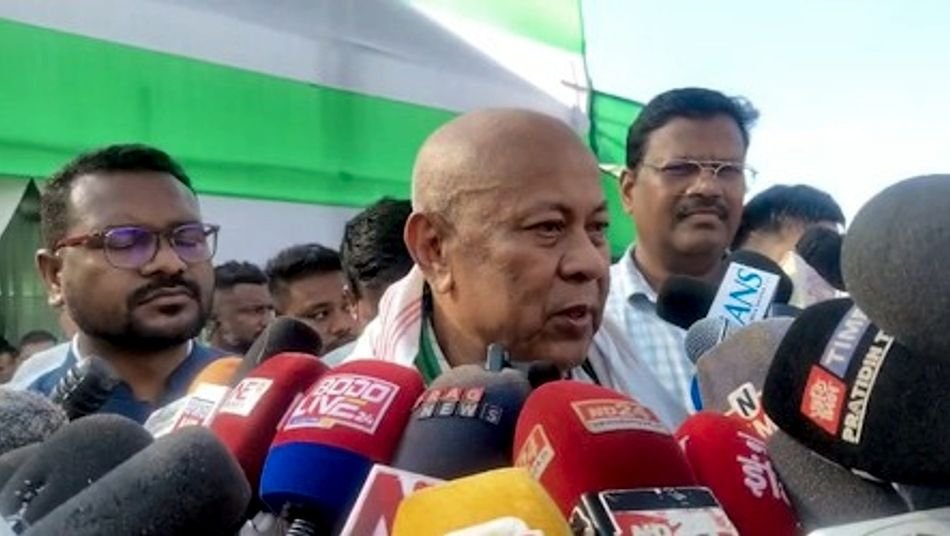
Arunachal Pradesh Chief Minister Pema Khandu congratulated Tai Tagak, describing the achievement as well deserved. He expressed confidence that Tagak’s experience and commitment would help strengthen the state’s voice in Parliament.
The BJP retained the Rajya Sabha seat by fielding Tagak as its sole candidate. This move underscores the party’s organizational strength in the state assembly, which elects the representative.
Significance for Arunachal Pradesh and the Northeast
Tai Tagak’s entry into the Rajya Sabha is viewed as a step toward enhanced representation for Arunachal Pradesh. With his background in state affairs, he is expected to contribute to debates on issues affecting the region and the broader Northeast.
Such elections matter because they connect local priorities with national platforms. Parliament discussions often influence funding, infrastructure, and policy decisions that shape development in hilly and border states like Arunachal.
Key Facts Summary
| Item | Details |
|---|---|
| Date | June 11, 2026 |
| Duration/Process | Unopposed election (no poll required) |
| Location | Arunachal Pradesh |
| Organizer/Candidate | Tai Tagak (BJP) |
| Main Issue Raised | Not specified in source |
| Official Response | CM Pema Khandu congratulated winner |
| Reported Impact | Expected to strengthen state’s parliamentary voice |
What Residents and Stakeholders Should Expect Next
- The source did not specify immediate local events or celebrations.
- Tai Tagak is likely to take oath and begin participating in Rajya Sabha proceedings.
- Continued focus on state-specific matters in Parliament, as per general expectations for new members.
- Ongoing coordination between state leadership and the new Rajya Sabha representative.
- Monitoring of legislative developments that affect Arunachal Pradesh.
The new term will provide a platform for addressing regional concerns at the national level.
Looking Ahead
Tai Tagak’s unopposed election to the Rajya Sabha from Arunachal Pradesh on June 11, 2026, represents a significant moment in the state’s political calendar. With strong backing from the BJP and endorsement from Chief Minister Pema Khandu, the outcome sets the stage for steady representation in the Upper House. As Tagak prepares to take on this responsibility, attention turns to how his experience will shape contributions on issues important to Arunachal Pradesh and the Northeast. This development reaffirms the party’s hold on the seat while highlighting the importance of parliamentary voices from every state.