
Authorities in Arunachal Pradesh have activated heightened preparedness protocols in Tawang district following a Tawang GLOF alert linked to potential risks in the Mago Chu basin. The measures focus on monitoring conditions around a high-altitude glacial lake and ensuring coordinated responses among multiple agencies.
At a glance
- Tawang district disaster management issued an alert based on inputs from scientific experts.
- On-ground inspection of Khangri Glacier (Neh-Goh Gangri) and Neh-Goh Tso glacial lake completed.
- Current assessment indicates low immediate outburst risk due to stable water levels and outflow.
- Advisory shared with Indian Army, ITBP, and BRO for joint readiness.
- Residents near Mago Chu and Tawang Chu rivers advised to stay vigilant and prepare emergency kits.
Timeline of Recent Developments
On June 8, 2026, the Tawang district administration moved swiftly after receiving specialized inputs. The Centre for Earth Science and Himalayan Studies (CESHS) highlighted concerns tied to glacier changes in the area. In response, local officials organized a field visit to gather direct observations.
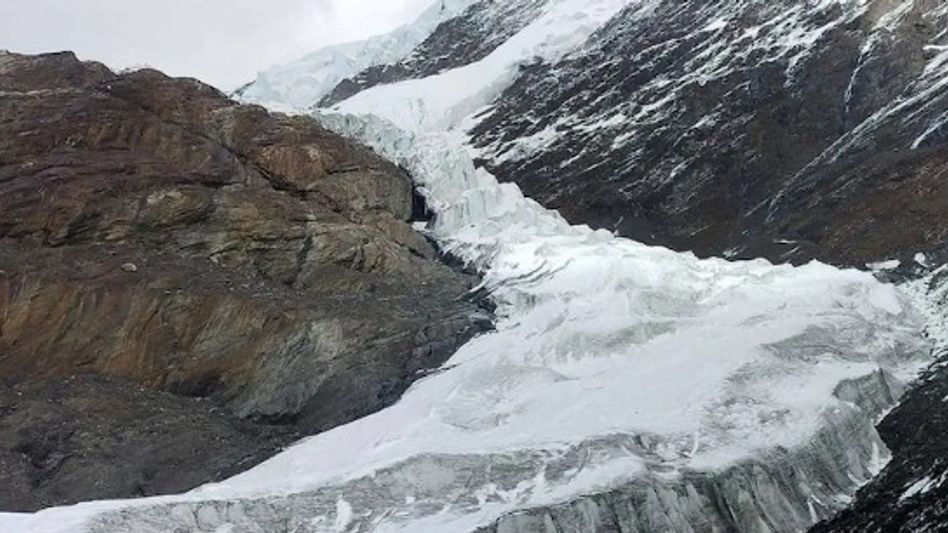
Thingbu Assistant Commissioner Thutan Wangchu led the team, joined by residents from Mago village. They examined the Khangri Glacier, situated above 17,000 feet on the western edge of the Gorichen range. The group also checked the downstream glacial lake known as Neh-Goh Tso.
Triggers Behind the Preparedness Measures
Scientific observations pointed to noticeable snow and ice loss at the Khangri Glacier, locally called Neh-Goh Gangri. Villagers reported that surrounding mountain slopes, once heavily snow-covered, now show signs of melting connected to rising temperatures. These changes prompted the Tawang district disaster management department to issue the Tawang GLOF alert.
The alert centers on the possibility of a Glacial Lake Outburst Flood (GLOF) originating from Neh-Goh Tso. This lake sits roughly 15,000 feet in elevation and feeds into the Mago Chu river system.
Context (general): Himalayan regions often face challenges from changing environmental conditions, including variable weather patterns that can influence glacier stability and water bodies. Such situations call for careful monitoring and community awareness.
Official Assessments and Current Findings
Field observations provided a relatively reassuring picture under present conditions. The water level in Neh-Goh Tso remains well below the moraine dam. Water flows normally through the outlet into the Mago Chu river, with outflow currently exceeding inflow from melt.
The outlet rests on a stable rocky base, lowering the chance of rapid erosion. Broad valleys located above Merathang, Jethang, and Mago villages offer natural buffering zones that could reduce the force of any potential surge before reaching populated areas.
Tawang Deputy Commissioner and District Disaster Management Authority (DDMA) Chairman Namgyal Angmo called on residents to remain alert and adhere to official guidance. Superintendent of Police Tasi Darang specifically addressed communities along the Mago Chu and Tawang Chu river systems, recommending they keep emergency supplies ready, especially in low-lying zones.
Coordinated Agency Response
The advisory reached key security and infrastructure organizations. The Indian Army, Indo-Tibetan Border Police (ITBP), and Border Roads Organisation (BRO) received updates to support unified preparedness efforts. This collaboration aims to strengthen overall response capabilities across the district.
Why This Matters for the Himalayan Region
Glacial Lake Outburst Floods rank among serious climate-related hazards in high mountain areas. They happen when barriers holding back glacial lakes give way, sending sudden large volumes of water downstream. Such events can affect lives, property, and infrastructure in river valleys.
In Tawang, the combination of high-altitude terrain and river systems makes proactive steps essential. The recent Tawang GLOF alert underscores the value of timely scientific input and local engagement in managing environmental risks.
Recommendations for Ongoing Monitoring
Officials noted that geological shifts could modify the risk profile rapidly. The assessment report calls for a comprehensive scientific investigation. Key areas for further study include glacier retreat rates, lake depth and volume, inflow-outflow dynamics, and the structural integrity of the moraine dam.
Key Facts Summary
| Item | Details |
|---|---|
| Date | June 8, 2026 |
| Location | Tawang district, Arunachal Pradesh (Mago Chu basin, Khangri Glacier area) |
| Organizer/Lead | Tawang district disaster management department and DDMA |
| Main Issue Raised | Potential GLOF from Neh-Goh Tso linked to Khangri Glacier changes |
| Official Response | Alert issued; field inspection conducted; advisories to residents and agencies |
| Reported Impact | No immediate flooding; focus on preparedness and further study |
| Key Entities | CESHS, Indian Army, ITBP, BRO, Namgyal Angmo, Tasi Darang |
What Residents and Businesses Should Expect Next
- Continued monitoring of the glacial lake and surrounding glacier by authorities.
- Regular updates from the district administration and DDMA on any changes in risk level.
- Possible additional safety drills or awareness sessions in vulnerable villages.
- Coordination with security forces and road agencies for infrastructure checks.
- The source did not specify exact timelines for the recommended detailed scientific study or potential restrictions.
Residents should maintain emergency readiness as advised and follow official channels for the latest information.
Conclusion
The Tawang GLOF alert reflects proactive steps by Arunachal Pradesh authorities to address potential glacial lake flood threats in a sensitive Himalayan district. While on-site assessments indicate limited immediate danger, officials emphasize vigilance and the need for deeper scientific analysis. This approach balances current stability with long-term risk management in Tawang and surrounding areas.
Hashtags:- #TawangGLOFAlert #GlacialLakeOutburst #ArunachalPradesh #KhangriGlacier #NehGohTso #HimalayanSafety #DisasterPreparedness #MagoChu #ClimateMonitoring #DDMATawang #BorderRegionRisks #GlacierMelt #GLOFThreat #TawangDistrict #NortheastIndia