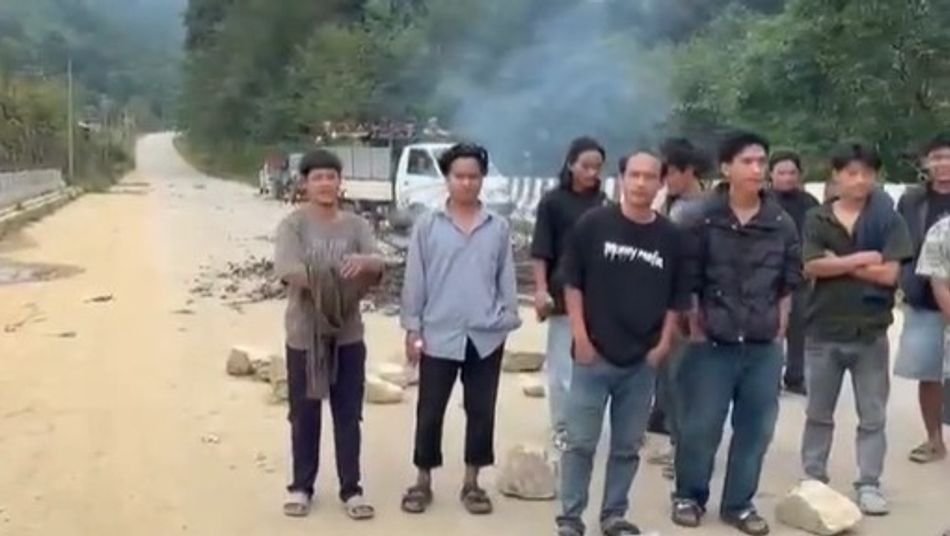

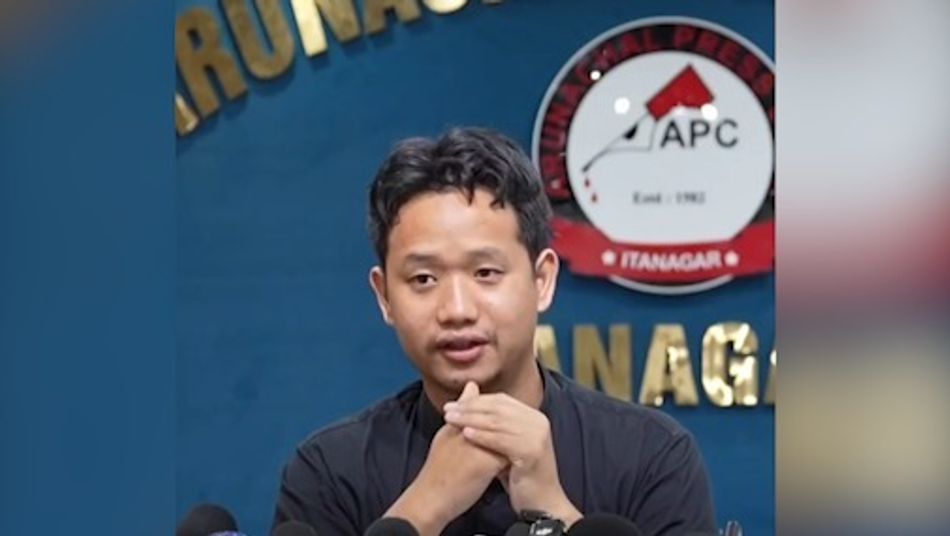
Itanagar, Arunachal Pradesh, June 6, 2026 — Leaders of the Arunachal Masjid Welfare Committee have stepped forward with a strong demand. They want authorities to apply the same rules to every religious site in the Itanagar Capital Region. The group seeks immediate reopening of recently sealed mosques.
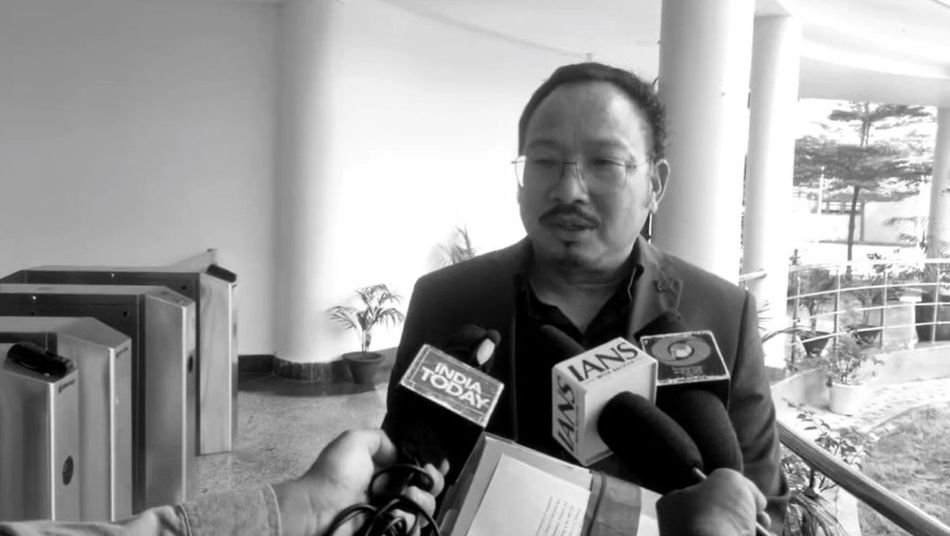
Giah Limpeh Sultan, a senior member, addressed the media today. He stressed that checks on mosques must extend equally to temples, churches, gurudwaras, and naamghars. This call comes amid growing tensions over alleged selective actions by local authorities.
Background and Context of Religious Regulation in Arunachal
Arunachal Pradesh has long navigated complex issues around religious institutions. The state maintains strict rules on land use and construction, especially in capital areas. Many places of worship operate in a legal grey zone due to rapid urban growth and historical settlements.
Over the years, authorities have conducted drives against unauthorized structures. These efforts often spark debates about fairness across communities. The Arunachal Pradesh Unlawful Activities (Prevention) Act (APUAPA) adds another layer. Officials use it to maintain public order during protests and bandhs.
The All Arunachal Pradesh Masjid Welfare Committee (AAPMWC) has monitored these developments closely. Community leaders point to past incidents where certain faiths faced quicker enforcement. This latest push aims to bring transparency to the process.
Local demographics play a key role. Indigenous tribes follow traditional faiths alongside major religions. Rapid migration into Itanagar has increased the number of religious structures. Many lack full documentation, creating challenges for administrators.
What Happened: Press Conference and Key Demands
On Saturday, June 6, 2026, the Arunachal Masjid Welfare Committee held a detailed press conference in Itanagar. Members highlighted concerns over recent sealing of mosques. They demanded uniform scrutiny across all faiths.
Giah Limpeh Sultan led the briefing. He stated that if officials examine mosques, they must do the same for other sites. Sultan cited information gathered through the Right to Information (RTI) Act.
He named several prominent structures needing verification:
- Hanuman Mandir at Ganga Market
- A Gurudwara in Naharlagun
- Kali Mandir in E-Sector, Naharlagun
- A Naamghar in Naharlagun
- Shiv Mandir in H-Sector, Itanagar
- Itafort Temple
- Ganga Lake Temple
- Jollang Shiv Mandir
Sultan argued these sites may operate without complete approvals. He also mentioned many smaller establishments face similar issues.
The committee specifically called for reopening a recently sealed masjid. Leaders questioned what they called selective enforcement. They insisted every religious organization must follow existing laws. No exceptions based on faith should apply.
AAPMWC urged the district administration to launch a comprehensive survey. This survey should cover all religious institutions in the Itanagar Capital Region. Actions against violators must follow transparent, uniform procedures.
Additionally, the group raised issues with APUAPA application. They referenced the arrest of ST Bachao Andolan Committee members — Tana Tamar, Sol Dodum, and Millo Ambo — during a recent bandh. Sultan asked why members of the Arunachal Pradesh Indigenous Youth Organization (APIYO) escaped similar action amid controversies.
Official Response and Government Reaction
Local authorities have not issued an immediate detailed response to the Arunachal Masjid Welfare Committee’s demands. The Itanagar Capital Region administration continues its ongoing review of documentation for various religious sites.
Officials emphasize that all actions follow legal provisions. They aim to ensure public order and proper land use in the growing capital area. Sources indicate the administration will examine the committee’s suggestions carefully.
The state government maintains a policy of equal treatment under law. Senior bureaucrats stress that compliance checks target violations, not communities. However, no official statement addressing the specific list of temples and other sites has emerged yet.
District officials previously justified sealing actions based on complaints and verification drives. They promise to maintain transparency moving forward.
Ground Reality and Impact on Local People
Residents of Itanagar and Naharlagun watch these developments closely. Daily worshippers at affected mosques feel inconvenience. Some communities report anxiety over potential further actions.
Businesses near religious sites notice minor disruptions. Devotees adjust prayer timings. Local markets around Ganga Market and Naharlagun continue as usual, but conversations revolve around fairness in enforcement.
Schools and transport services remain unaffected so far. However, prolonged disputes could impact community harmony. Indigenous groups and minority communities monitor how authorities handle these sensitive matters.
Many locals support the call for uniform scrutiny. They believe equal rules will reduce mistrust. Others worry that broad surveys might create unnecessary tensions in a diverse state like Arunachal Pradesh.
Expert Analysis and Broader Implications
Political analysts view this development as significant for religious harmony in the Northeast. Dr. Rajiv Bhattacharya, a scholar on regional affairs, notes that uniform application of law strengthens democratic values.
“Selective enforcement erodes public trust,” he explained. “The Arunachal Masjid Welfare Committee highlights a genuine concern that needs administrative attention.”
Social experts highlight the challenge of balancing regulation with religious freedom. Arunachal Pradesh’s unique tribal-majority context adds complexity. Rapid urbanization pressures land resources, making documentation crucial.
The issue also touches on larger national debates about religious neutrality in governance. Observers say fair handling could set a positive example for other states facing similar challenges.
Political implications remain notable. With various community organizations active, how the government responds may influence future alliances and public sentiment ahead of local elections.
What Happens Next: Expected Developments
Authorities are expected to review the Arunachal Masjid Welfare Committee’s demands soon. A comprehensive survey of religious institutions appears likely if the administration accepts the proposal.
The committee plans to follow up with formal representations to the district administration and state government. Leaders vow to pursue legal routes if needed to ensure equality.
Watch for official announcements regarding the sealed mosques. Any decision on reopening will signal the government’s approach toward uniform compliance.
Community dialogues and stakeholder meetings may follow. These could help ease tensions and build consensus on regulatory frameworks.
Readers should stay tuned for further updates. The situation in Itanagar remains fluid as both sides seek resolution through legal and administrative channels. Future actions will shape the narrative of religious equity in Arunachal Pradesh.
This story continues to develop. The Arunachal Masjid Welfare Committee has opened an important conversation about fairness. How authorities respond will matter greatly for all communities in the region.
Hashtags:-
#ArunachalMasjidCommittee #UniformScrutiny #ItanagarNews #ReligiousEquality #ArunachalPradesh #NortheastUpdates #FairEnforcement #ArunachalMasjidWelfare #ItanagarReligiousSites #UniformProbe #SealedMosques #ArunachalNews #ReligiousHarmony #AAPMWC #NortheastIndia #LawForAll #ItanagarUpdate #BreakingArunachal #FaithAndLaw #CommunityVoices #StayInformed