

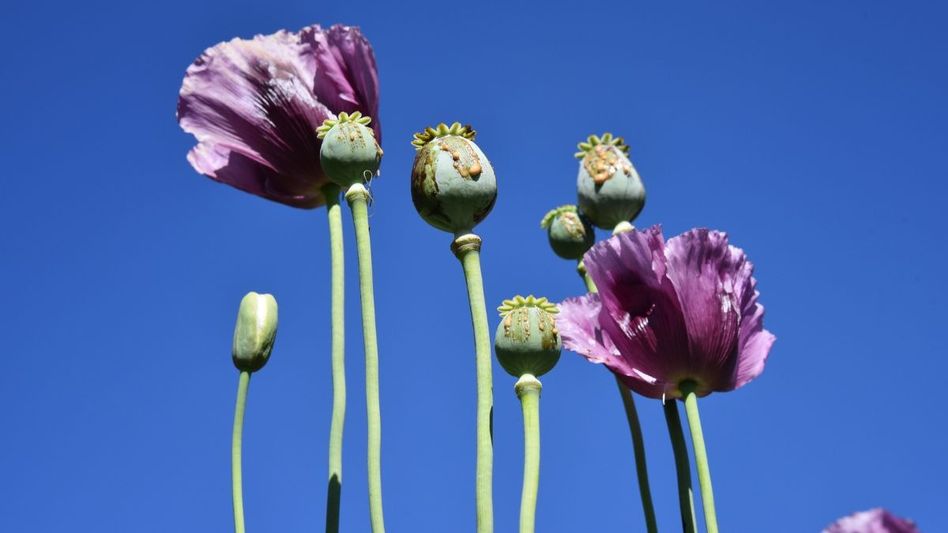
Myanmar remains a significant contributor to global opium production, despite a slight decline in cultivation levels, according to the United Nations Office on Drugs and Crime (UNODC) 2024 report. The survey reveals a 4% reduction in opium poppy cultivation, from 47,100 hectares to 45,200 hectares, indicating some stabilization at elevated levels.
Regional disparities in cultivation levels and uncertainties surrounding the global opium market pose significant risks. Shan State continues to dominate opium cultivation, accounting for 88% of Myanmar’s total production. While some areas saw increased cultivation, others reported a decrease, highlighting the resilience of the opium industry.
The farmgate price of dry opium has dropped by 8%, signaling early market saturation. However, a global shortage of opiates due to declining production in Afghanistan may push prices up, making opium cultivation more attractive to farmers in Myanmar.
The ongoing conflict, labor shortages, and limited access to remote fields have complicated efforts to curb opium production. The UNODC Representative, Masood Karimipour, emphasized the increasing threat of synthetic drug production and the rising illicit economy tied to online gambling and scam centers.
The report highlights the deep socioeconomic ties between opium cultivation and broader economic challenges in Myanmar. Villages involved in poppy farming face severe poverty, limited public services, high debt levels, and political instability, making opium cultivation a critical source of income for many.
The UNODC stresses that decisive action is needed to address the root causes of opium cultivation and provide long-term solutions to prevent further expansion of the illicit opium economy in Myanmar.