
The tension was already simmering. Then it boiled over.
Following a violent flare-up at Bordumsa in Arunachal Pradesh’s Changlang district, the All Arunachal Pradesh Students’ Union (AAPSU) has issued a sharp warning to the Chakma community — and the clock is already ticking. The powerful student body announced on Friday, September 4, that it will declare its next course of action on September 12, leaving little doubt that this standoff is far from over.
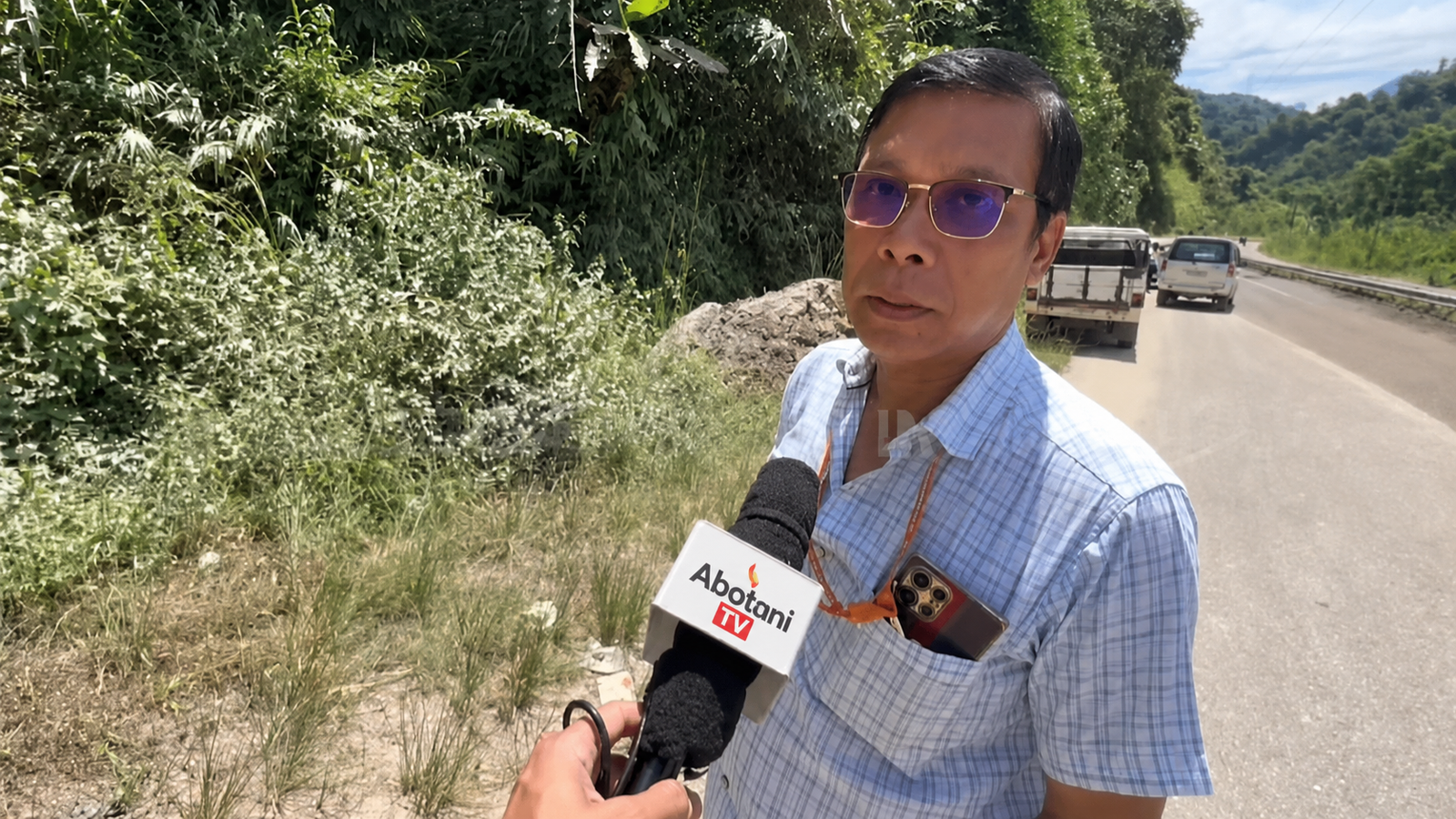
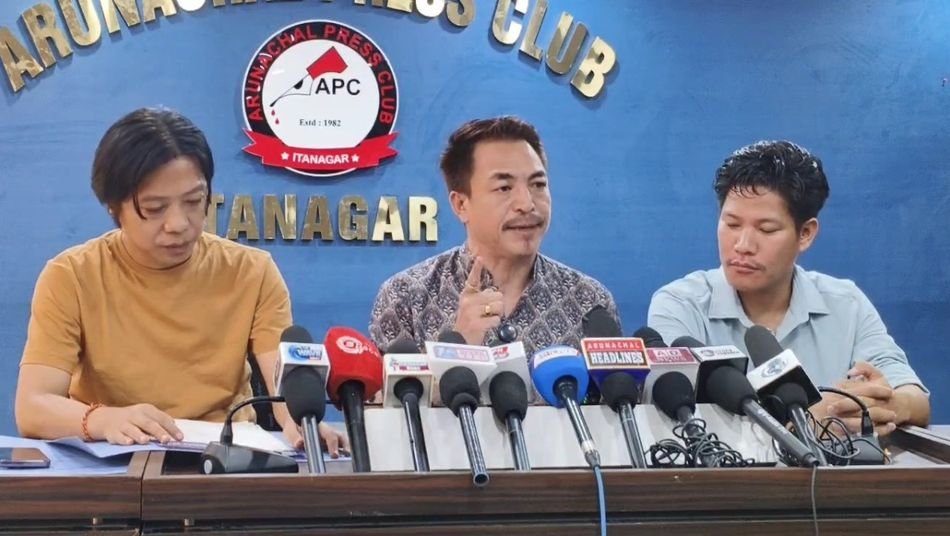
AAPSU president Meje Taku, flanked by general secretary Mato Bui and convenor Tadar Baro, addressed the press with a directness that didn’t leave much room for interpretation. “They have started the fight, and we will finish it,” Taku said. Those nine words may well define the weeks ahead in Changlang district.
The violence that triggered this response erupted during a hearing connected to the Special Intensive Revision (SIR) of electoral rolls — a process meant to be routine but one that has become deeply political in Arunachal Pradesh. Student organisations had raised strong objections to what they described as the illegal inclusion of Chakma people who allegedly entered Arunachal Pradesh after 2006. The argument is not new. The Chakma settlement issue has haunted the state’s political landscape for decades, stirring anxieties over demography, land rights, and the future of indigenous communities.
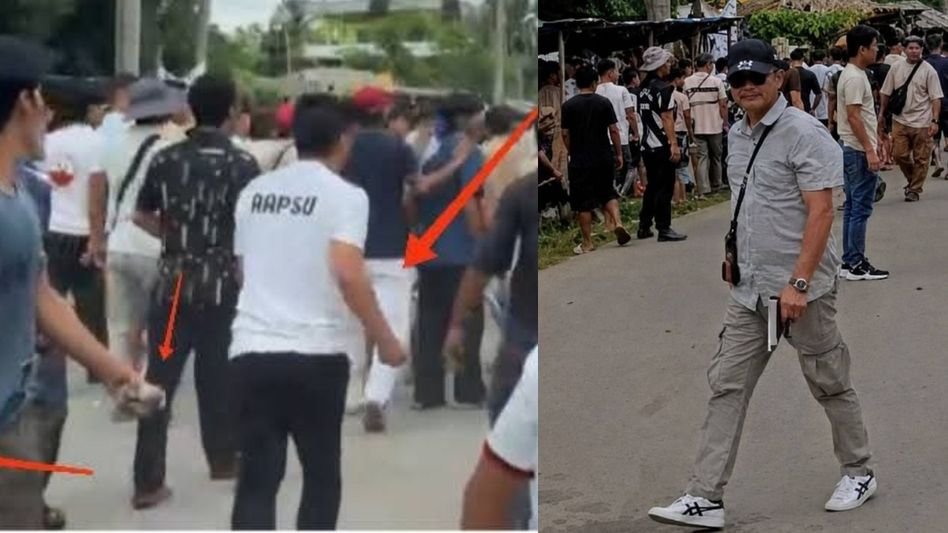
What happened at Bordumsa, however, crossed a line. Stone-pelting broke out at the office of the Additional Deputy Commissioner during the proceedings. That act of violence set off a chain of events — clashes erupted between AAPSU members and Chakma organisations, and police had to step in to restore order. The fact that it came to this, at a formal administrative hearing, speaks volumes about how raw this issue remains.
AAPSU’s frustration is visible and understandable. The union has long positioned itself as a watchdog for indigenous Arunachalis, and any perceived compromise of the electoral rolls — the very mechanism by which political power is distributed — hits at the heart of what they have spent years fighting for. For them, this isn’t just about Bordumsa. It’s about a pattern.
What makes the September 12 announcement particularly significant is AAPSU’s additional demand. Taku explicitly urged the Home Department to refrain from registering FIRs against any AAPSU leader in connection with the Bordumsa incident. That’s a pointed message to the government — stay out of this, or at least don’t use the law as a tool against us. Whether the administration heeds that call remains to be seen. The government will be watching closely, torn between maintaining law and order and not antagonising one of the state’s most influential student bodies.
For ordinary residents of Bordumsa and surrounding areas, the coming days carry an uncertain weight. Markets quieten when tempers rise. Schools hesitate. Life in a conflict-sensitive zone rarely insulates itself from political storms, no matter how local they may seem.
September 12 is just days away. AAPSU has made its position unmistakably clear — and whatever announcement the union makes on that day is likely to shape the course of Arunachal Pradesh’s most sensitive ongoing debate.
When a student organisation tells an entire community “we will finish it,” the state has no luxury of looking away.