
A senior minister has admitted what many quietly feared — the state’s job reservation policy may not survive a legal challenge. And that admission has set off a storm.
The Warning Nobody Wanted to Hear
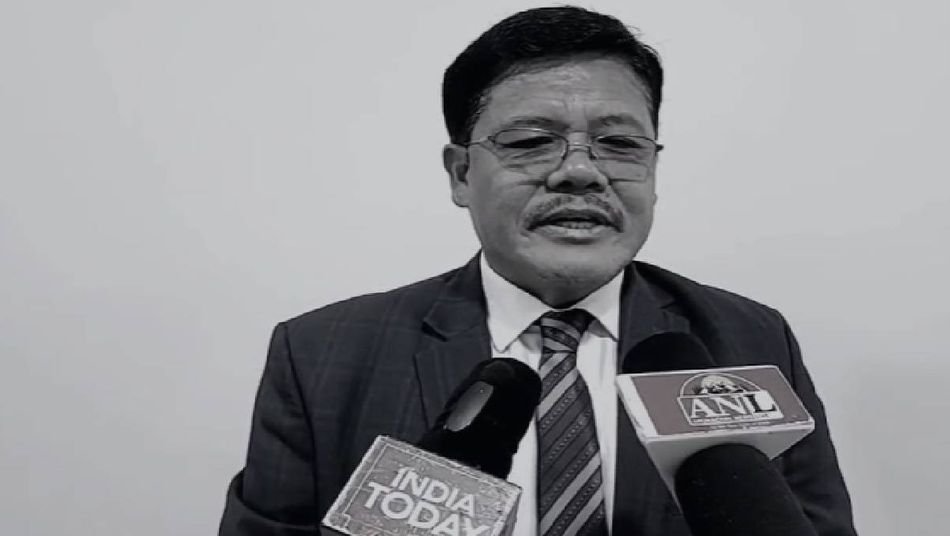
Arunachal Pradesh Industries and IPR Minister Nyato Dukam dropped a political bombshell on Friday when he openly cautioned that the state’s 80:20 job reservation policy could be struck down entirely if it ever lands before a court. The remark wasn’t buried in a press release. He said it plainly. “If someone goes to court, there are apprehensions that the entire 80:20 reservation policy may get scrapped because we are reserving jobs against the Central government’s job policy,” Dukam stated. That’s a sitting minister telling the public that a policy they’ve been fighting over — and depending on — might be sitting on shaky legal ground.
What the 80:20 Policy Actually Means
For those unfamiliar, the 80:20 framework reserves 80 percent of state government jobs for Arunachal Pradesh Scheduled Tribe (APST) candidates, while 20 percent goes to non-APST applicants. On the surface, it looks like a generous protection for indigenous communities. But several unions and civil society organisations don’t see it that way. They’ve been pushing hard — and getting louder — demanding that the non-APST 20 percent be scrapped altogether. Their argument is straightforward: every single state government job should belong exclusively to the indigenous people of Arunachal Pradesh. No exceptions.
The Legal Tightrope the Government Is Walking
Here’s where it gets complicated. The minister’s warning suggests the government is well aware that the policy, as it currently stands, may conflict with Central government recruitment guidelines. That’s a significant tension to carry. If the policy is challenged in court and a judge agrees that it violates national job regulations, the entire arrangement — not just the non-APST quota, but the 80 percent APST reservation too — could be wiped out. That would be a devastating outcome for the very communities the policy was designed to protect.
A Debate That Divides the State
The minister’s statement has reignited a debate that clearly has no easy answers. On one side, indigenous communities and their representative organisations feel strongly that outsiders should not be competing for government employment in their land. On the other side, legal experts and policy watchers are raising concerns about whether an ethnicity-based exclusion of this scale can withstand constitutional scrutiny. Both arguments carry weight. Both carry risk.
The Bigger Picture
What Dukam’s statement really reveals is that the government is caught between two fires — political pressure from the ground demanding stronger protections, and legal vulnerability that could undo everything. It’s a difficult place to govern from. The people of Arunachal Pradesh deserve both — protection of their rights and a policy strong enough to hold up in court. Right now, it seems they may not have both at the same time.
HASHTAGS:-
#ArunachalPradesh #NyatoDukam #JobReservation #APST #8020Policy #ArunachalJobs #TribalRights #IndigenousRights #ArunachalNews #NortheastIndia #JobQuota #ArunachalPolitics #ScheduledTribe #EmploymentRights #NortheastNews #ArunachalGovernment #ReservationPolicy #TribalEmployment #AbotaniTV #ArunachalUpdates