


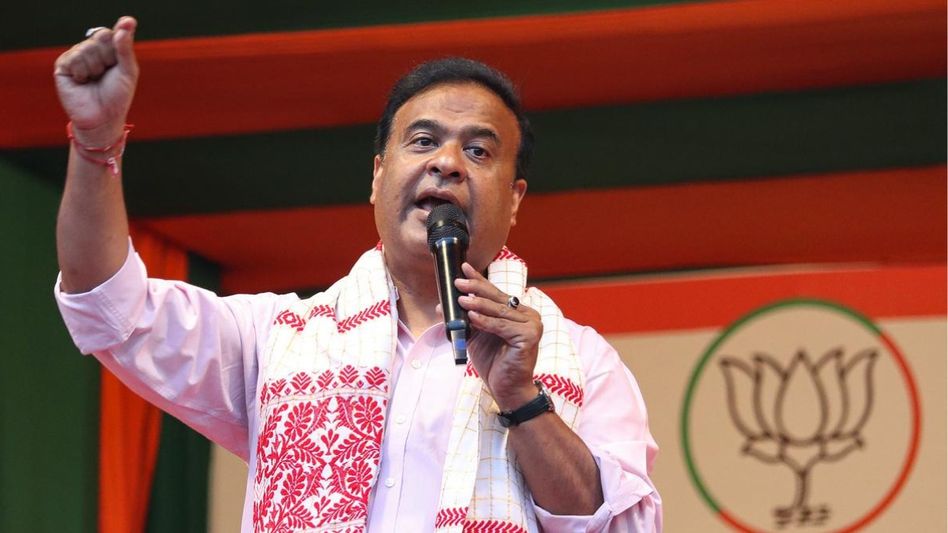
Guwahati, Assam – Assam Chief Minister Himanta Biswa Sarma has clarified the state’s stance on employment for the Miya community, stating that individuals who arrived in Assam prior to 1951 cannot be barred from working within the region. In a move to promote indigenous job opportunities, he has mandated that contractors under the Public Works Department (PWD) ensure at least half of the workforce in all future infrastructure initiatives comprises local Assamese residents.
This directive seeks to harmonize rapid developmental progress with the empowerment of native communities, addressing concerns over external labor influx while fostering inclusive growth in Assam’s economy.
Clarifying Employment Rights for Miyas
During his address, Sarma emphasized that Miyas with roots in Assam dating back before 1951 are integral to the local fabric and entitled to employment. “We cannot restrict them from working here, as we too are locals,” he remarked, underscoring fairness in opportunities.
However, he pointed out challenges posed by recent migrations over the past few decades, driven by the state’s visible advancements. “Miyas have increasingly sought entry into Assam, attracted by our development efforts. If we block them directly, they often arrive via routes from Kolkata and Bengal,” Sarma explained, highlighting the need for regulated hiring to safeguard indigenous interests.
Prioritizing Indigenous Workforce in PWD Ventures
The Chief Minister instructed PWD contractors to limit the recruitment of Bangladeshi youth from West Bengal to essential cases only. Instead, the focus will shift toward hiring from Assam’s indigenous groups, with a minimum 50% quota for locals in every new project.
This policy aims to strengthen the economic foundation of the Assamese community, extending beyond construction to everyday roles. Sarma lamented the underrepresentation in sectors like transportation, noting, “Even our drivers are often not from the Assamese community. Alongside building infrastructure, my vision is to bolster the economic resilience of our people.”
By integrating local talent, the initiative is expected to enhance community participation and ensure that developmental benefits circulate within Assam.
Spotlight on Key Infrastructure Developments
Sarma highlighted several ongoing and forthcoming projects in Guwahati, such as the Bhrampur flyover and the Chandmari-Noonmati flyover, which will incorporate this new hiring framework. These endeavors are pivotal for urban mobility and economic expansion in the state capital.
Additionally, major flyovers at Jagiroad and Diphlu are nearing completion, poised for inauguration soon. These initiatives not only upgrade connectivity but also serve as platforms to implement the local employment mandate, contributing to Assam’s broader growth narrative.
Addressing Broader Debates on Jobs and Representation
The Chief Minister’s comments come amid ongoing discussions on workforce diversity, community inclusion, and sustainable development in Assam. By prioritizing native hiring without outright exclusions, the policy navigates complex socio-economic dynamics, aiming to build trust and equity among residents.
This approach reflects the government’s commitment to protecting local livelihoods while advancing infrastructure, potentially setting a model for other regions facing similar migration and employment challenges.
As Assam continues its transformation, such measures could play a crucial role in empowering indigenous populations and ensuring balanced progress across the Northeast.
Relevant Tags
Assam CM Himanta Biswa Sarma, Miya Community Employment, PWD Local Hiring Policy, Assam Indigenous Jobs, Infrastructure Projects Assam, Miya Migration Issues, Guwahati Flyovers, Assam Economic Empowerment, Northeast Development News, Local Workforce Quota
Hashtags
#HimantaBiswaSarma #AssamPWD #MiyaEmployment #LocalHiringAssam #AssamDevelopment #IndigenousJobs #GuwahatiInfrastructure #NortheastIndia #AssamEconomy #CommunityEmpowerment
