


Landmark Initiative Targets Flawed Planning, Climate Shifts, and Lax Disaster Prep in Himalayan Hotspot, Demands Swift Responses from Key Agencies
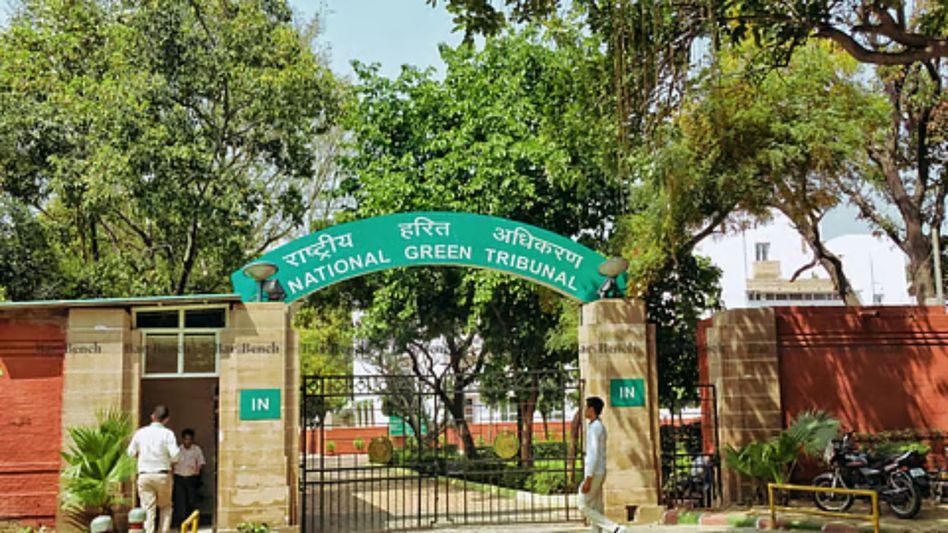
The National Green Tribunal has launched a proactive probe into the mounting perils of landslides and ecological breakdowns in the Darjeeling hills, drawing from a compelling investigative piece that exposed systemic failures fueling this crisis. This self-initiated step highlights the tribunal’s alarm at how unchecked development and shifting weather dynamics are tipping the fragile Himalayan ecosystem toward catastrophe.
The trigger was a thorough analysis detailing how relentless rains ravaged the area, demolishing the vital Dudhia bridge spanning the Balason river and crippling vital links between Siliguri and Mirik. The storm unleashed chaos, burying roads under debris, isolating communities, and inflicting widespread devastation on homes, livelihoods, and infrastructure. What was once a natural woe has evolved into a man-made menace, amplified by haphazard building practices, surging populations, and governance gaps that leave slopes vulnerable to sudden deluges.
Experts like Prof. Mahendra P. Lama, a seasoned scholar and ex-National Security Advisory Board member, have chronicled decades of such events since the late 19th century, but stress that modern triggers—intense, erratic downpours disrupting age-old patterns, coupled with inadequate drainage and urban sprawl—have intensified the fallout. The tribunal views these as red flags for breaches under the Environment Protection Act, Disaster Management Act, and Environmental Impact Assessment guidelines, with local bodies like municipalities and the Gorkhaland Territorial Administration strapped for resources and know-how to counter the threats.
Echoing findings from the ISRO Landslide Atlas, which pegs Darjeeling among India’s top 35 high-risk zones, the NGT drew sobering links to similar tragedies, such as the glacial outburst in neighboring Sikkim that obliterated power plants, bases, and economies downstream, wiping out a massive chunk of regional GDP. This pattern of Himalayan instability demands immediate, coordinated action to avert repeats.
In a bold directive, the tribunal has summoned responses from pivotal players: the Ministry of Environment, Forest and Climate Change; West Bengal Pollution Control Board; G.B. Pant Institute of Himalayan Environment; National Disaster Management Authority; and Wadia Institute of Himalayan Geology. These entities must outline remedial strategies or progress updates at the upcoming Eastern Zonal Bench session in Kolkata, with mandates for senior officials to appear virtually if needed, ensuring no bureaucratic dodges.
This intervention not only spotlights Darjeeling’s plight but also galvanizes a nationwide push for resilient Himalayan safeguards, blending regulatory muscle with on-ground reforms to protect lives, heritage, and the environment from looming disasters.
Edited by: keshav pathak
Relevant Tags
NGT Suo Motu Action, Darjeeling Landslide Crisis, Himalayan Environmental Risks, Climate Change Impacts Darjeeling, Disaster Management India, Urban Planning Failures, ISRO Landslide Atlas, Gorkhaland Administration, West Bengal Eco-Issues, National Green Tribunal Directives, Balason River Floods, Sikkim GLOF Lessons
Hashtags
#NGTAction #DarjeelingLandslides #HimalayanCrisis #ClimateChangeIndia #DisasterPrep #EcoJustice #WestBengalNews #EnvironmentalAlert #SustainableHimalayas #GreenTribunal
