


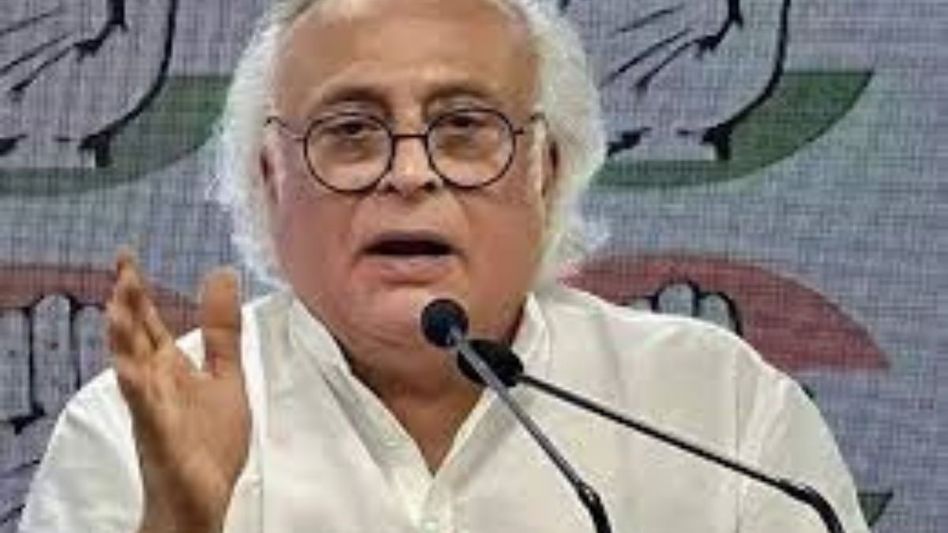
Imphal, Manipur: The Manipur Governor’s decision not to summon the state’s legislative assembly has sparked controversy, with the Congress accusing the Governor of violating Article 174(1) of India’s Constitution.
The article mandates that the state’s legislature must convene at least twice every year, with no more than a six-month gap between the end of one session and the start of the next session.
Congress Criticizes Governor’s Inaction
The Congress has questioned why the Governor has not summoned the assembly, especially given the state’s current political crisis. The party has emphasized the need for the Governor to summon the assembly to address the state’s pressing issues.
“The Governor’s inaction is a clear violation of the Constitution,” said a Congress spokesperson. “We demand that the Governor summon the assembly immediately to discuss the ongoing ethnic violence and other critical issues facing the state.”
Governor’s Role in Summoning the Assembly
According to Article 163 of the Constitution, the Governor is required to act on the “aid and advice” of the Cabinet when summoning the House. However, when a no-confidence motion is proposed against the Chief Minister, the Governor can decide on their own to summon the House.
Special Session to Discuss Ethnic Violence
The Manipur Assembly’s failure to hold a special session to discuss the ongoing ethnic violence has further exacerbated the crisis. The state cabinet had recommended convening a special session, but the Governor did not issue a notification to convene it.
The opposition parties have criticized the Governor’s decision, saying it undermines the democratic process and the Constitution.
